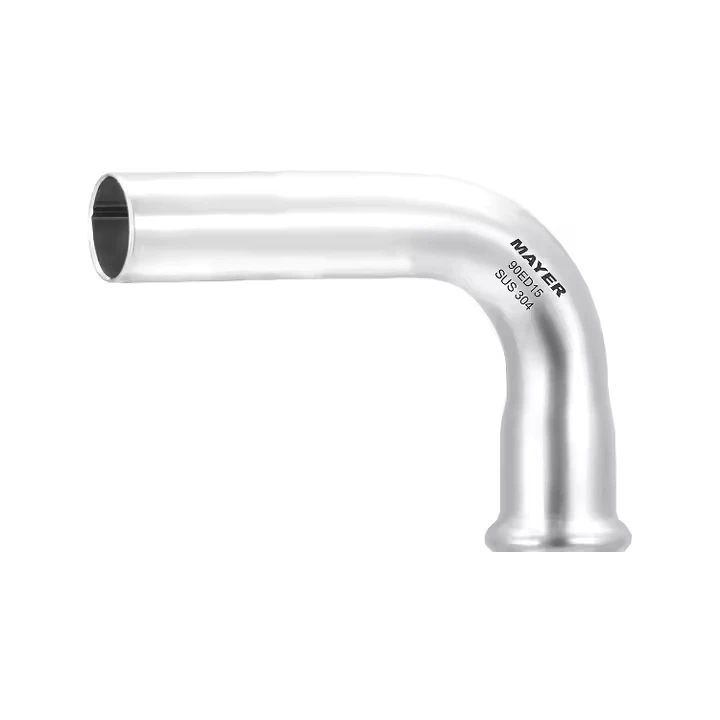
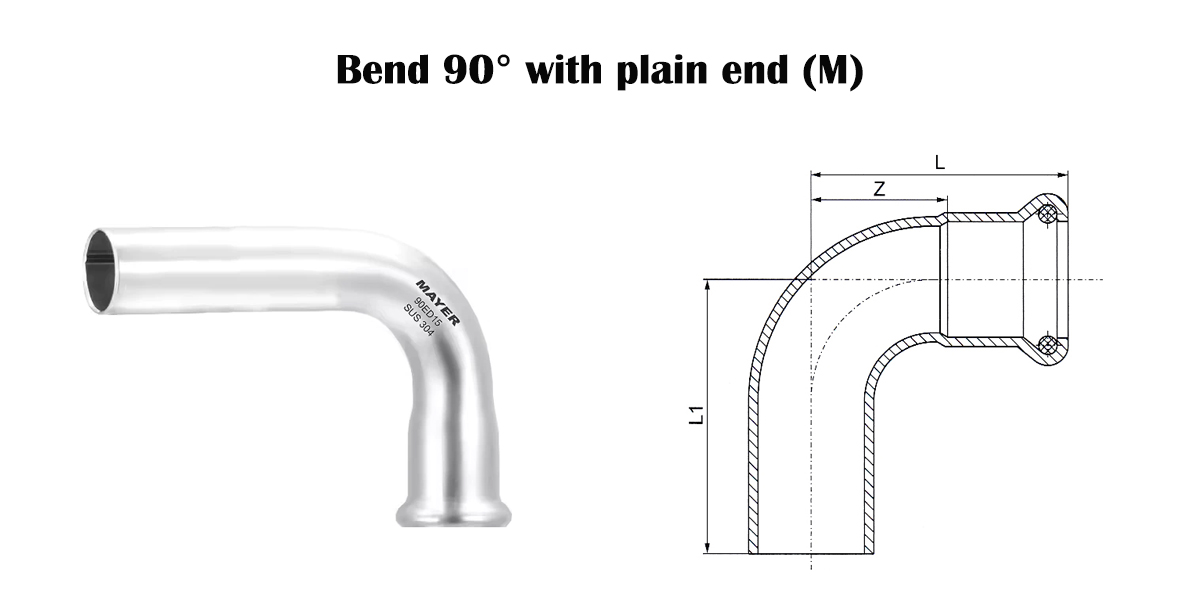
| Bend 90° with plain end (M) |
| Size(mm) |
L |
L1 |
Z |
| 15 |
42.5 |
45 |
22 |
| 18 |
47 |
52 |
26.5 |
| 22 |
52.5 |
58 |
31.5 |
| 28 |
62 |
73 |
39 |
| 35 |
72 |
87 |
45 |
| 42 |
88 |
100 |
56 |
| 54 |
110 |
128 |
73 |
| 76.1 |
170 |
186 |
115 |
| 88.9 |
198 |
214 |
135 |
| 108 |
42.5 |
45 |
22 |
Download the product catalogue
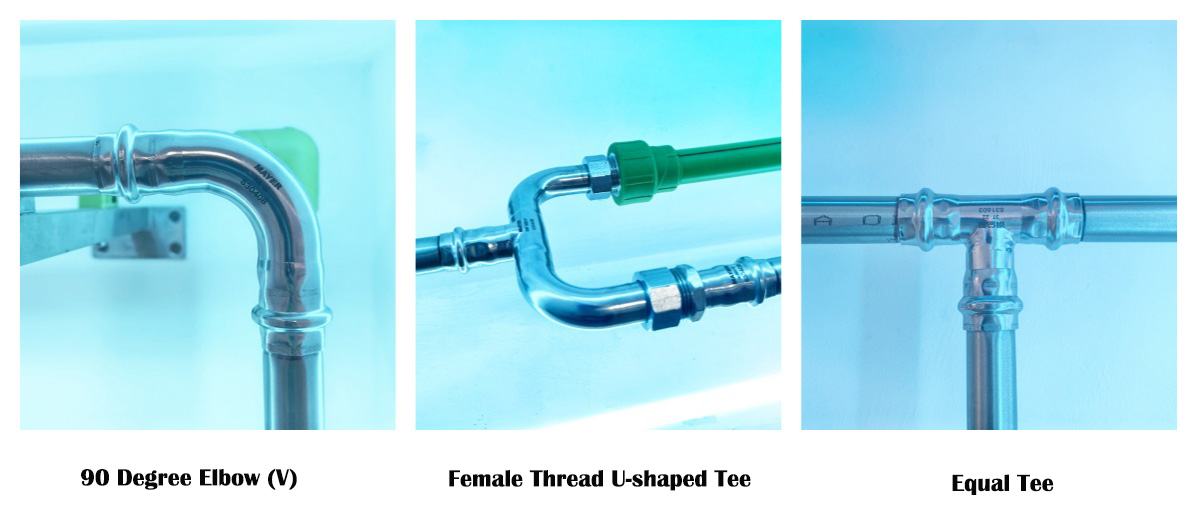
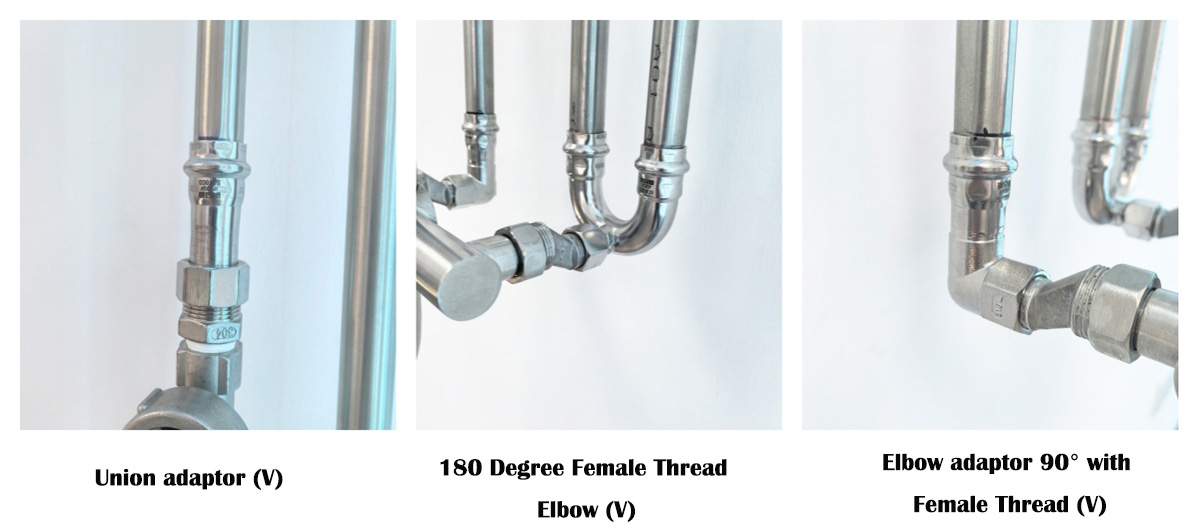
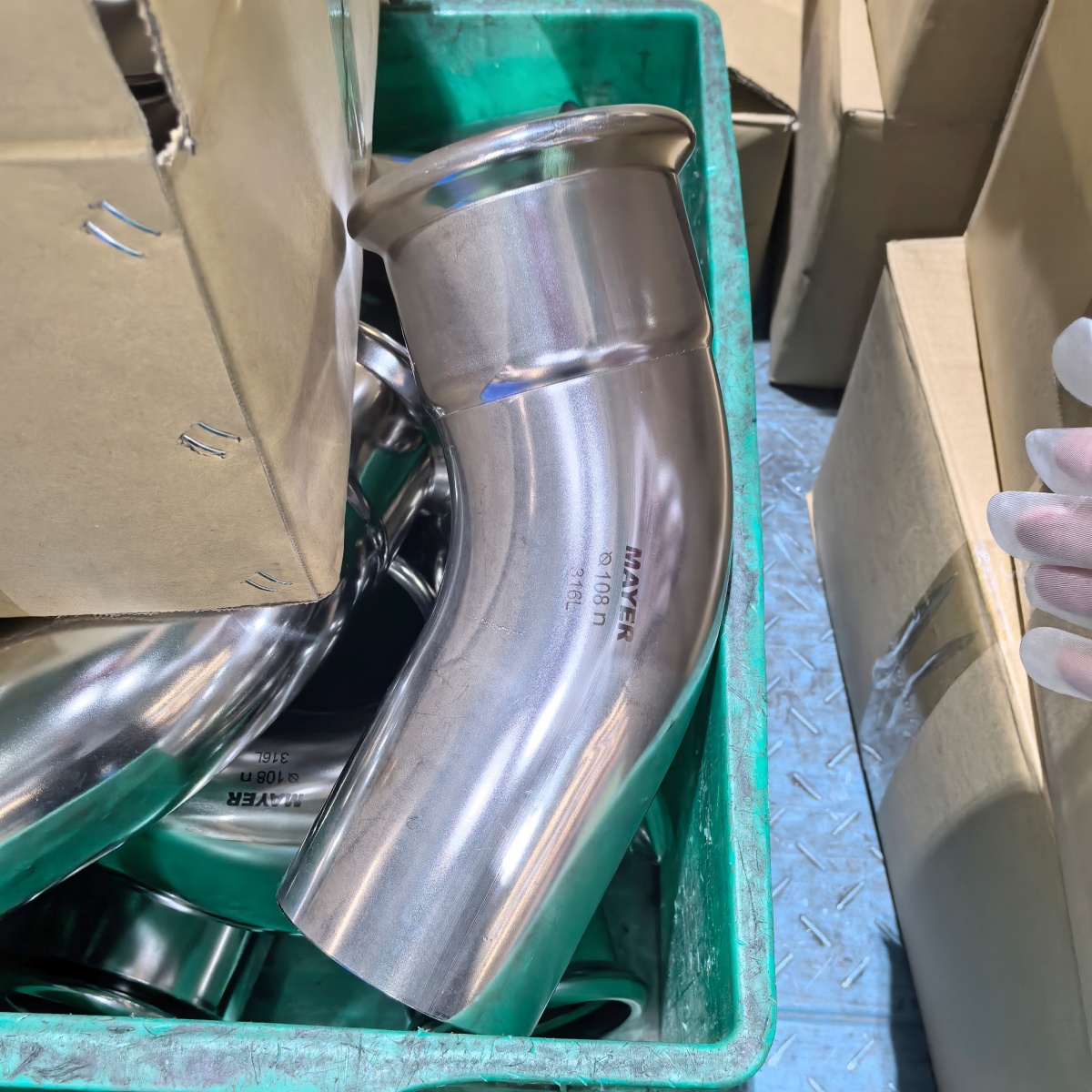
316L Stainless Steel Elbow 45 Degree with Plain End M Profile
Stainless steel 304/316L 45° and 90° bends with plain ends are mainly used to change the flow direction of fluid media in piping systems.
The 90° bend makes a right-angle turn, while the 45° bend provides a gentler direction change, reducing fluid resistance and pressure loss. The plain end design (no threads or flanges on either end) uses welding or press-fitting for connection, ensuring a smooth inner wall without dead spots, suitable for systems with high requirements for cleanliness and corrosion resistance.
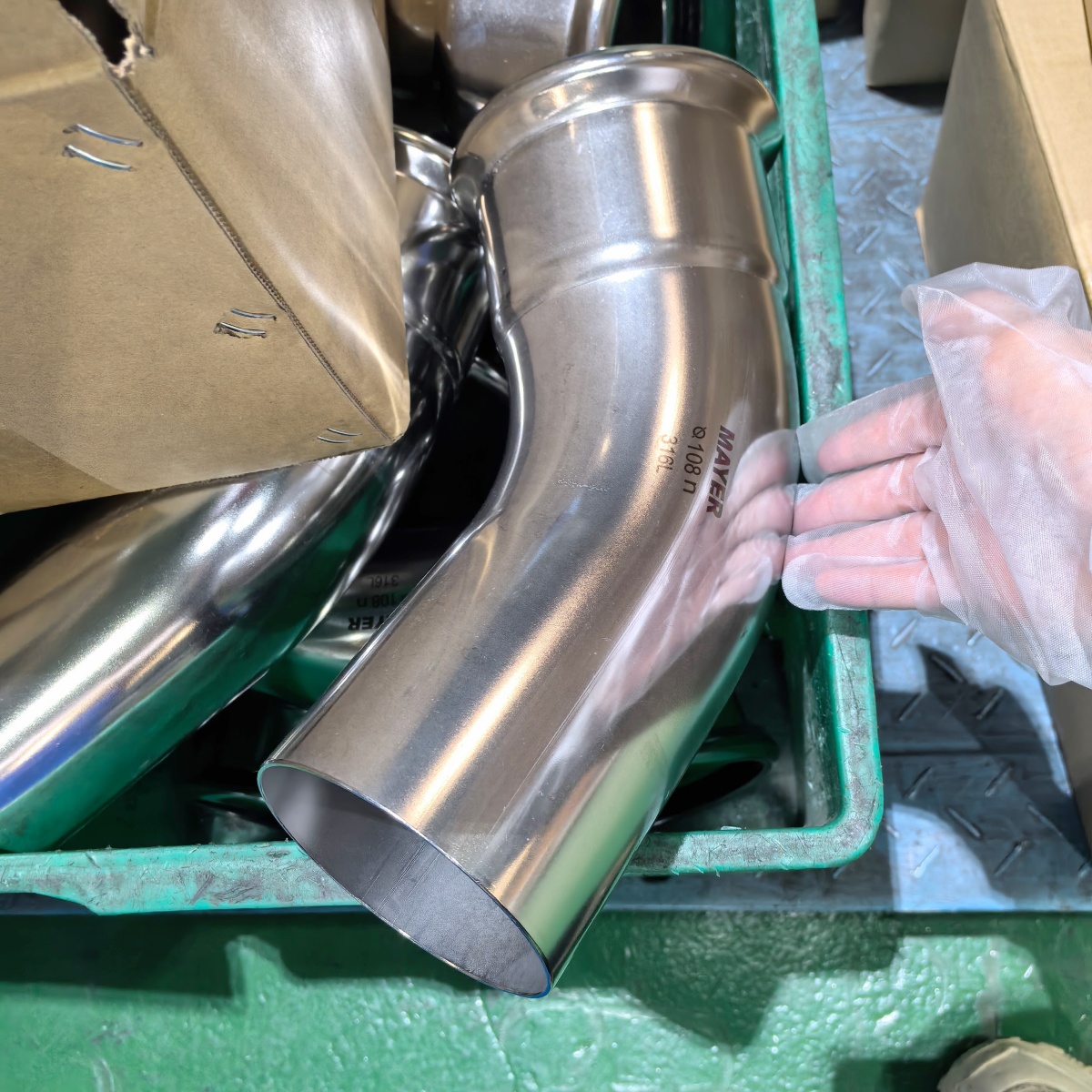
304/316L 90° plain end bends are used where pipelines require a right-angle turn. They are commonly found in main building water supply and drainage risers, HVAC vertical and horizontal pipe corners, equipment inlet/outlet connections, and space�turning nodes in industrial piping, offering high space utilization.
304/316L 45° plain end bends are used where a gradual change in flow direction is required. They are common in long�distance transmission lines, high�vibration piping systems (e.g., pump discharge lines), and process lines where reducing fluid resistance or pressure loss matters, such as chemical conveying, water treatment plant piping, and food�grade sanitary pipelines.
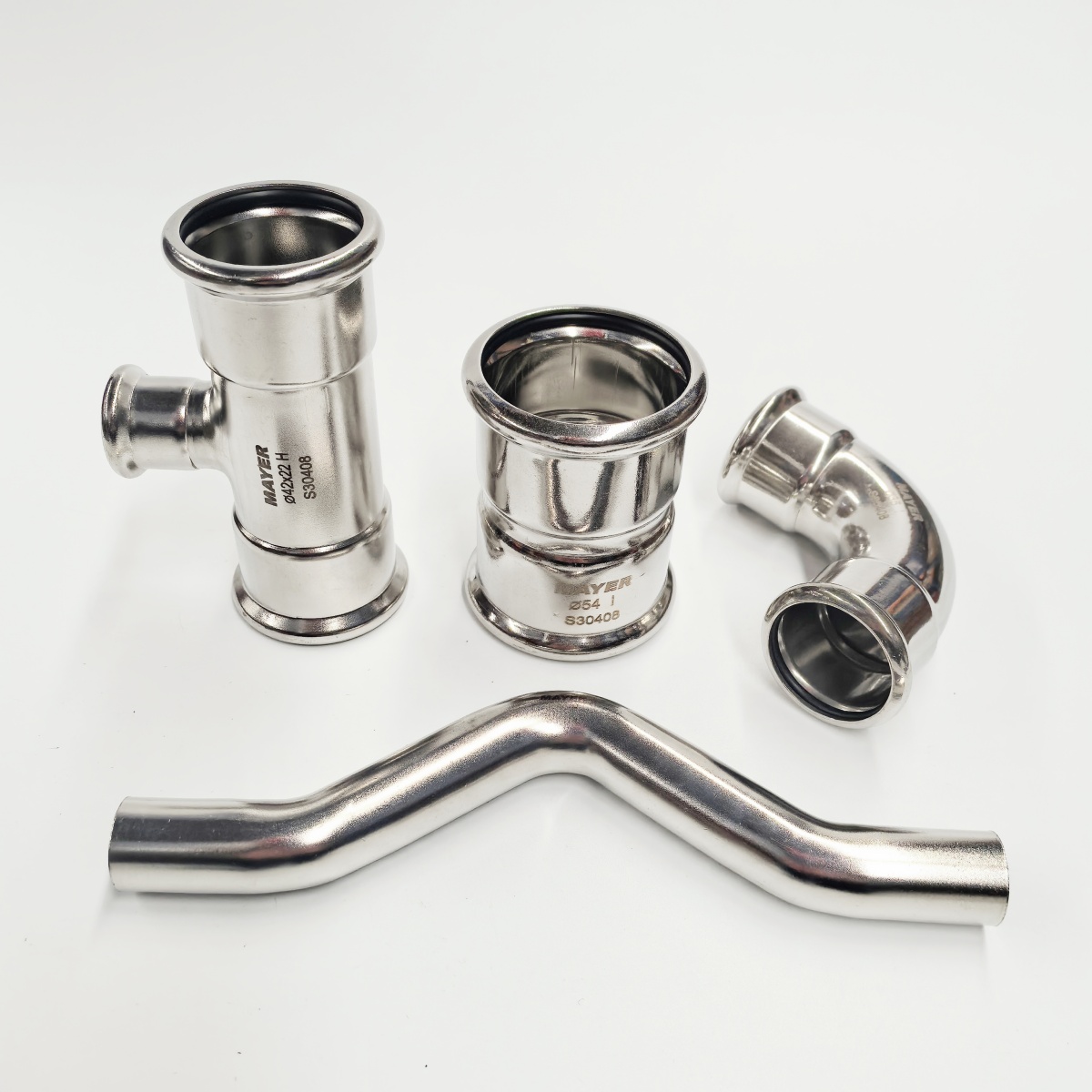
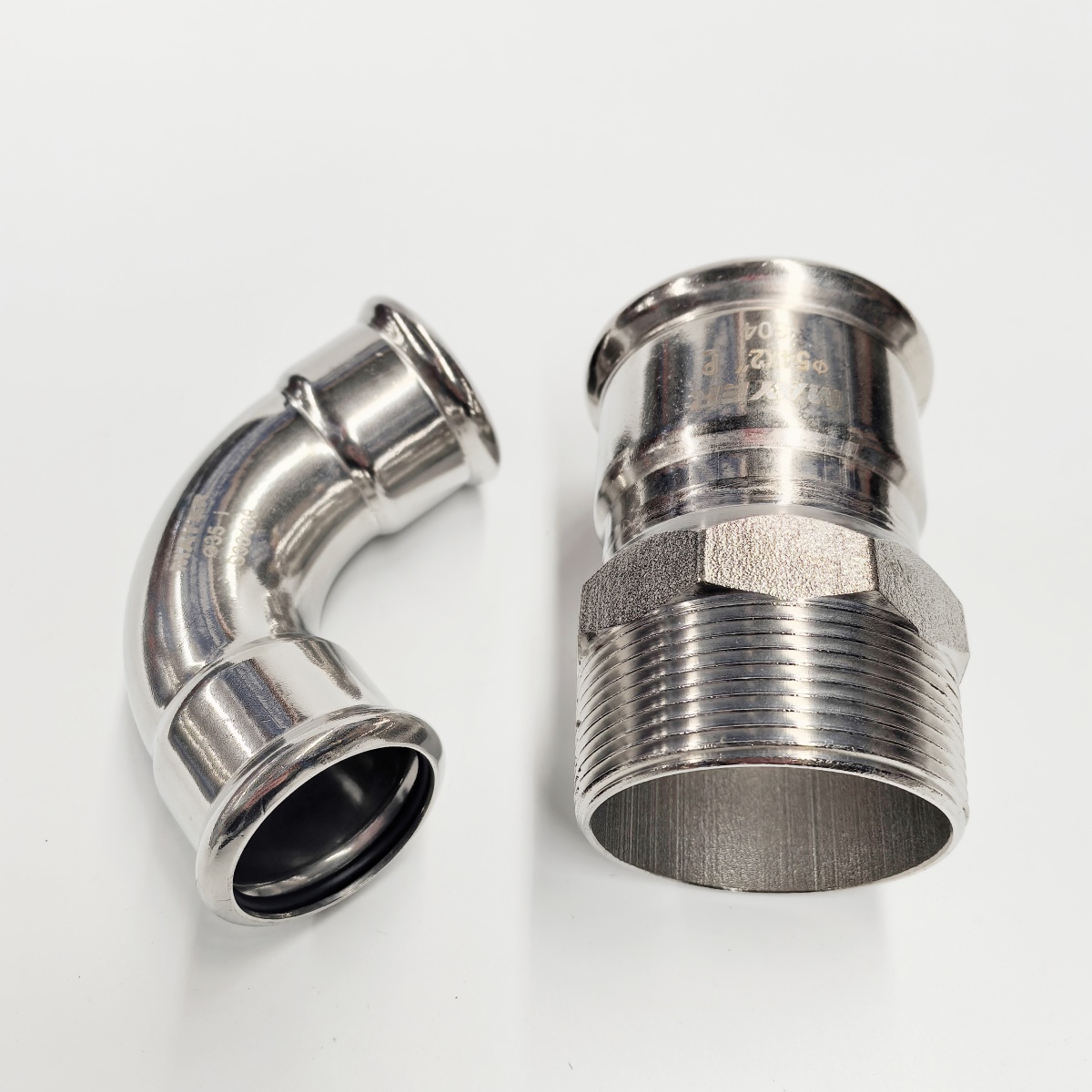
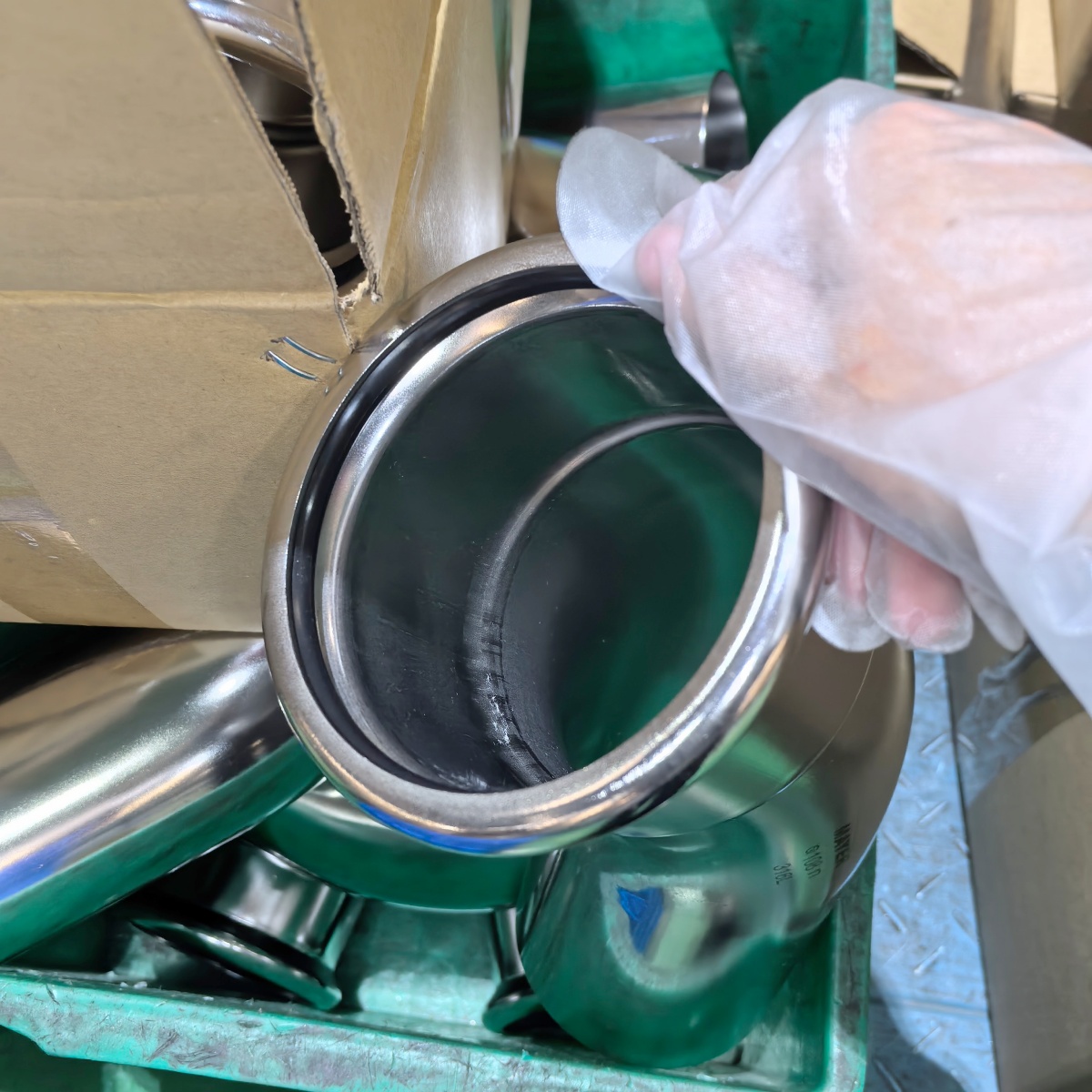
Stainless steel pipe fittings with EPDM sealing rings
The sealing ring serves the following core functions:
1. Leakage prevention: Compressed between the pipe fitting and the pipe contact surface, it generates contact pressure through elastic deformation, preventing fluid from seeping or leaking out of the connection
2. Self-energizing compensation: When the internal pressure of the medium rises, the pressure is transmitted to the sealing ring, causing it to further press against the contact surface—the higher the pressure, the stronger the seal, creating a "self-energizing effect"
3. Temperature and vibration accommodation: The elastic material compensates for thermal expansion and contraction caused by temperature changes, as well as minor vibrations during system operation, maintaining long-term sealing effectiveness
4. Pull-out resistance assistance: The sealing ring also provides certain frictional force, working together with mechanical connections such as press-fittings or flared ends to enhance the pull-out resistance of the pipe fitting

 Click Here