Pipe Fittings and Connection Systems
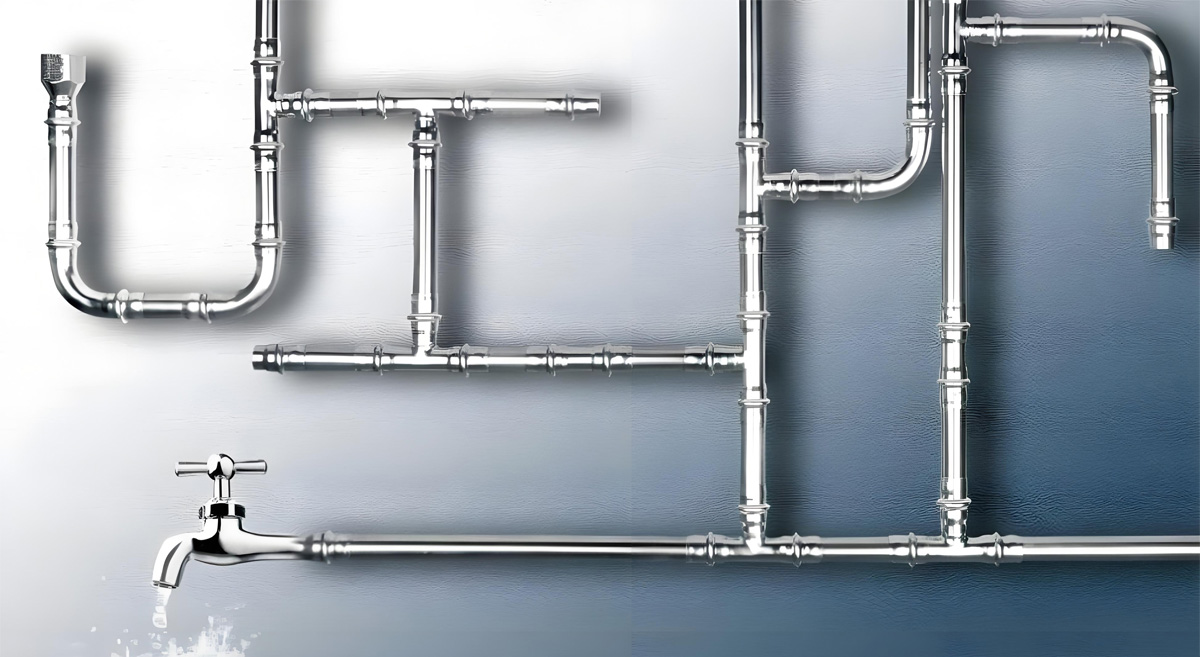
Stainless steel pipe fittings are available in a comprehensive range of configurations to meet various piping system requirements. Common types include elbows (45°, 90°, 180°), tees (equal and reducing), couplings, reducers (concentric and eccentric), caps, unions, nipples, and flanges (slip-on, weld neck, blind). These fittings can be manufactured in both 304 and 316L materials.
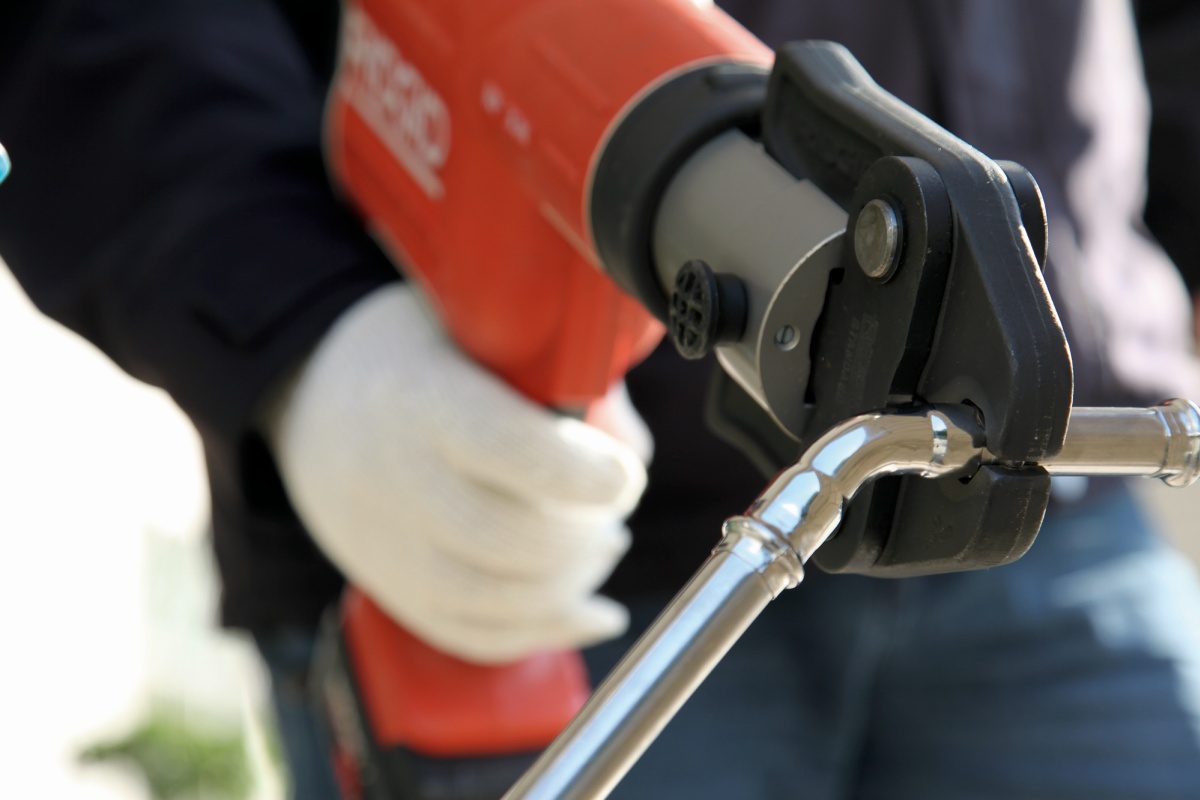
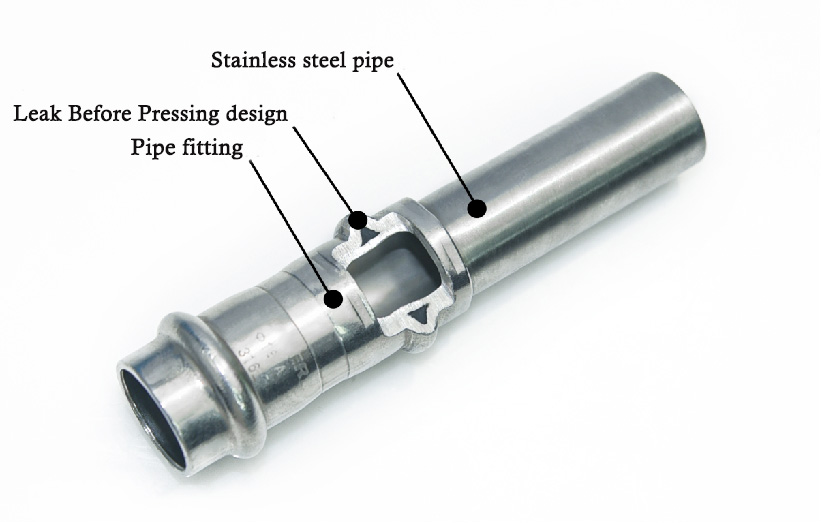
Modern building water supply systems increasingly utilize stainless steel press fittings as an alternative to traditional welding or threaded connections. Press fitting systems join pipes without welding or bolting—the components fit together by crimping through the use of a special pressing tool. This technology dramatically reduces installation time, eliminates the risk of welding-related heat tint and carbide precipitation, and ensures consistent joint quality. The press connection creates a permanently sealed joint that is leak-free and capable of withstanding working pressures up to 1.6 MPa (approximately 232 psi).
Leading manufacturers such as Viega offer comprehensive press fitting systems, including MegaPress 304 and MegaPress 316 configurations. MegaPress 304 FKM fittings are designed for use with standard IPS ASTM A312 stainless steel pipe, forming a complete press system ideal for industrial applications including process water, potable water, and low-pressure steam. For more demanding environments, MegaPress 316 systems can withstand harsh conditions while transporting essential fluids.
For potable water applications, press fitting systems certified to standards such as DIN 1988 and DVGW worksheet W 534 are available, with EPDM or FKM sealing elements depending on the operating temperature and fluid compatibility requirements.
Leading manufacturers represented by RIDGID provide professional crimping tools and solutions adapted to various international standards, including special crimping jaws adapted to MegaPress 304 and MegaPress 316 series pipe fittings. RIDGID's full range of stainless steel crimping tools can be used with standard IPS ASTM A312 stainless steel pipe fittings to form a complete construction chain from cutting, fixing to precise crimping. In industrial applications such as process water, drinking water and low-pressure steam, efficient, safe and reliable pipe connections are achieved. The sealing and pull-out resistance of the crimping joints meet or exceed industry standards. In more severe environments, the RIDGID professional hydraulic crimping system can be matched with corresponding corrosion-resistant pipe fittings to safely withstand harsh working conditions under various media conditions, ensuring the long-term stable operation of the pipeline system.
For drinking water applications, the builder can choose a press-fit connection system certified according to standards such as DIN 1988 and DVGW sheet W 534. The selection of sealing materials needs to be differentiated based on the chemical properties and operating temperature of the operating medium - EPDM rubber seals are suitable for polar and conventional aqueous media, especially in drinking water environments that comply with the KTW assessment standards of the German Drinking Water Environment Agency (UBA). They are stable and have good temperature and chemical resistance; while FKM (fluorine rubber) seals are known for their excellent chemical resistance and high temperature stability. They are more ideal in pipelines that are exposed to harsh fluids or are in extreme working conditions.
Advantages of Stainless Steel in Building Water Supply
Stainless steel plumbing offers numerous advantages that make it increasingly popular in building water supply systems worldwide:
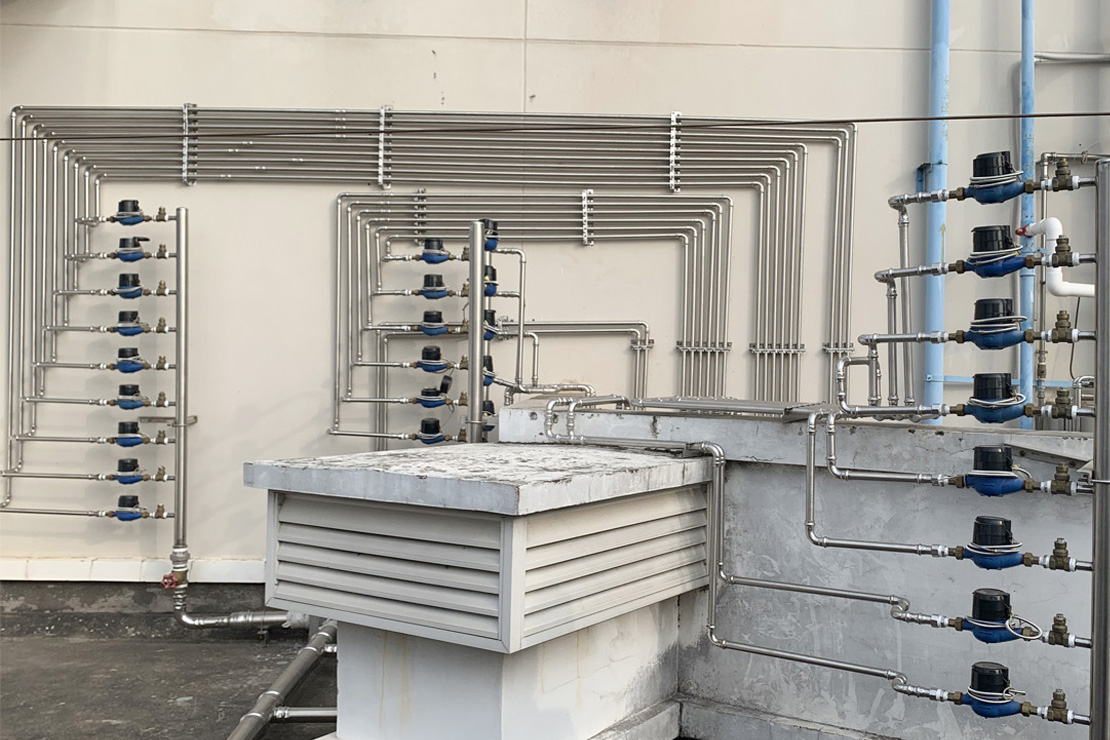
Thin walled piping, combined with easy installation and minimal maintenance during service life (over 60 years), makes stainless steels a cost-effective option for plumbing. With stainless steel plumbing, building owners can be assured of leak-free service during the entire service life of the building, making it sound economic sense to use stainless steel at the time of construction.
From a hygiene perspective, stainless steel’s non-toxic nature, smooth hard surface that resists bacterial adhesion, and chemical inertness make it ideal for drinking water applications. Stainless steel has played a key role in the production, preparation, and transport of food and drink for 100 years. The low leaching levels from stainless steel in drinking water distribution systems also provide significant environmental benefits.
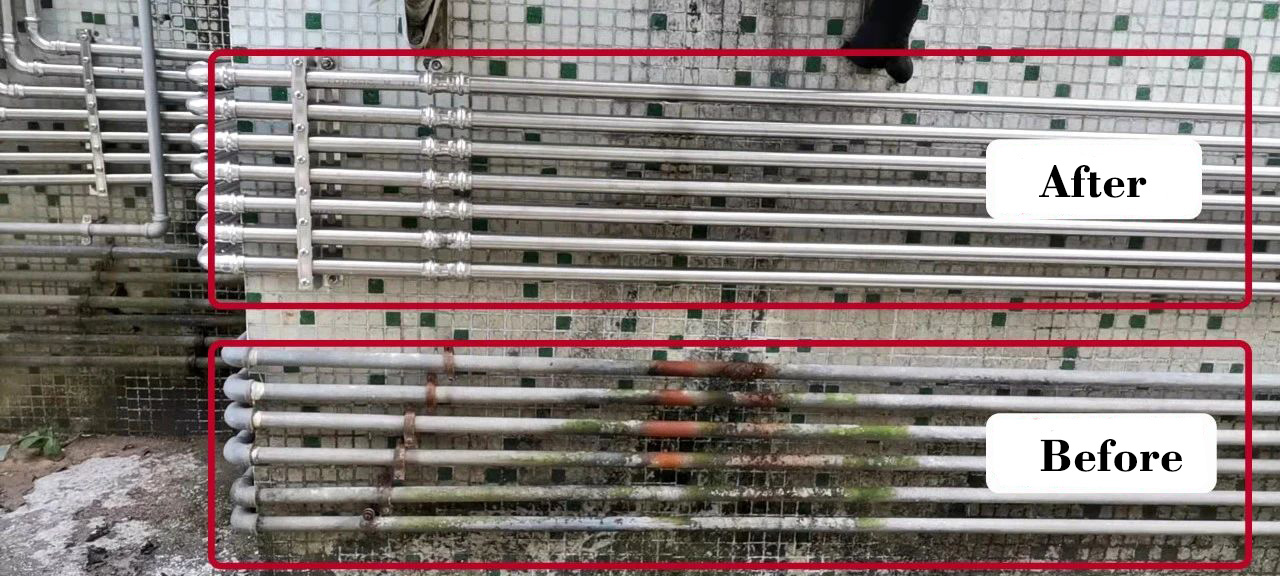
Stainless steel also possesses high strength and exceptional durability, requiring no painting or protective coatings. It can withstand very high flow rates—in excess of 40 m/s—and is resistant to seismic activity, pressure variations, and freezing conditions.
Global Market and Suppliers
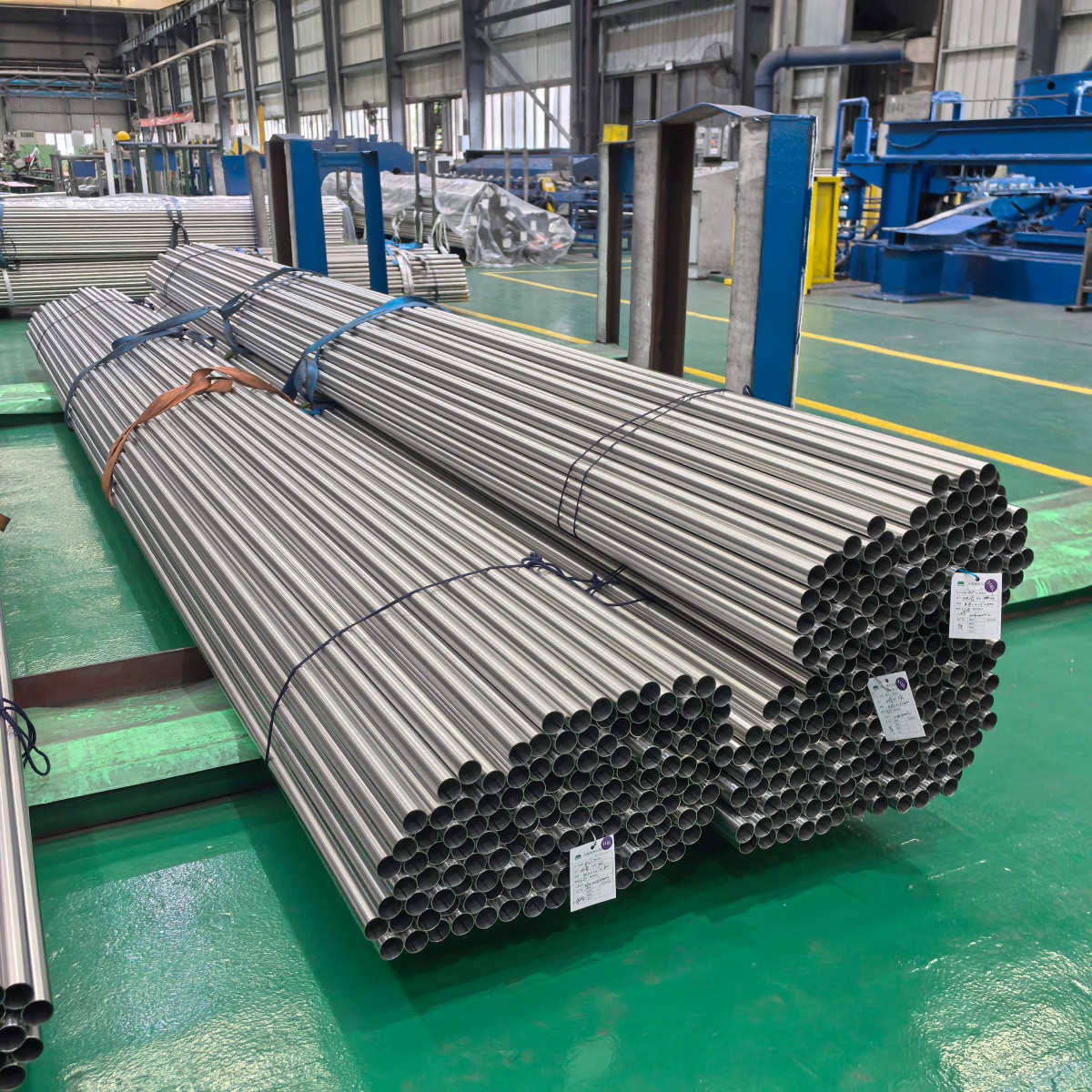
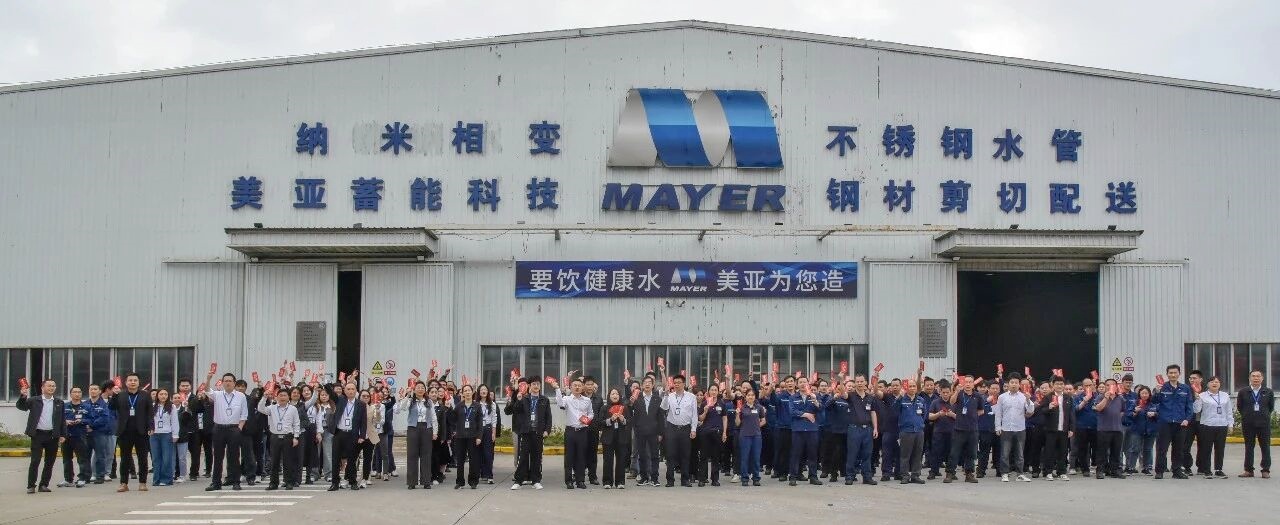
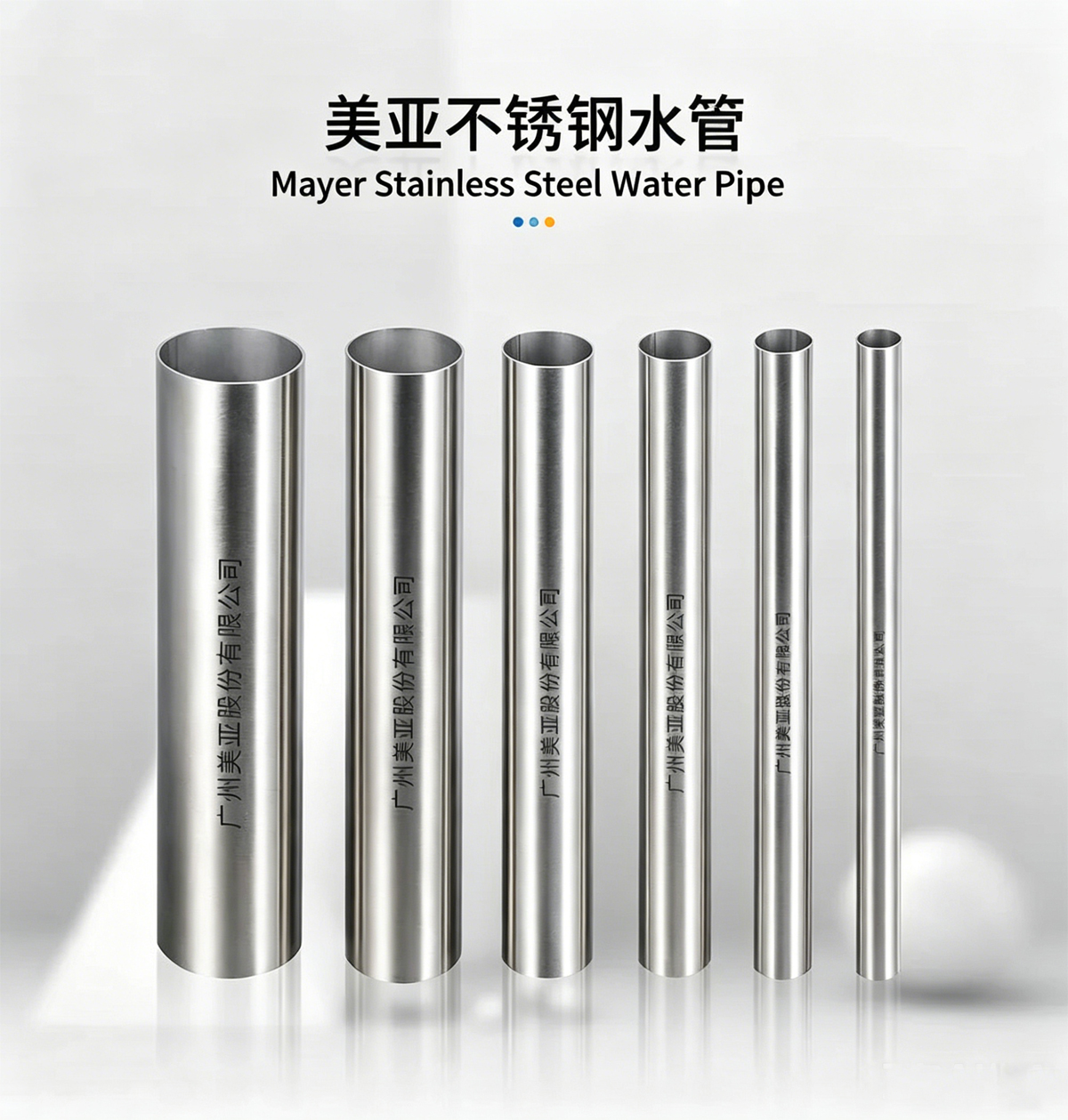
As the global demand for stainless steel pipe and pipe fitting suppliers continues to grow, production companies represented by Mayer Stainless Steel have become important players in the industry. Quality-focused suppliers ensure that every pipe and every fitting is 100% tested for water pressure and air tightness before leaving the factory, and the products comply with international standards such as ISO 9001, ISO 14001 and WRAS certification for drinking water safety.
ASTM A312 is the most widely referenced standard specification for seamless, welded, and heavily cold-worked austenitic stainless steel pipe intended for high-temperature and general corrosive service. Under ASTM A312, welded pipe must have the weld area solution-annealed (at 1040°C minimum for 304/316), and all pipes must pass a hydrostatic test or eddy current test to ensure integrity.
Application Selection Guide
When should you choose 304 stainless steel pipe for building water supply applications?
304 stainless steel is the most widely used chromium-nickel stainless steel in the world. It is suitable for:
1. Potable (drinking) water systems in buildings with low chloride concentration (typically below 200 ppm)
2. General plumbing and indoor architectural applications
3. HVAC systems and hot water supply lines
4. Buildings located inland with no exposure to coastal or marine environments
5. Application where budget is a primary consideration
When should you choose 316L stainless steel pipe?
16L stainless steel is the premium choice for harsh environments. Select 316L when:
1. Buildings in coastal or marine environments where salt spray or seawater intrusion is possible
2. Water supplies with high chloride content (above 200 ppm, up to 1,000 ppm)
3. Water treated with chlorination (chlorine levels up to 4 ppm vs. 2 ppm for 304)
4. Systems requiring extensive welding where low carbon content prevents sensitization
5. Chemical processing plants, pharmaceutical manufacturing, and seawater desalination facilities
6. High-end residential or commercial buildings requiring the highest level of corrosion protection
7. Building water supply systems demanding ultra-high purity water quality, such as hospitals and laboratories
Cost Considerations
Due to differences in composition and performance, 316L stainless steel is typically more expensive than 304 stainless steel. Market data indicates that 316 generally costs around 40% more than 304. However, lifecycle cost analysis—which accounts for maintenance, repairs, and replacement over the system’s lifespan—often reveals that the higher initial investment in stainless steel, particularly 316L, pays for itself over time through reduced leakage, lower maintenance requirements, and extended service life. Stainless steel water pipes are designed to last 60–80 years, whereas conventional materials may begin to fail within 10–15 years.
Conclusion
The choice between 304 and 316L stainless steel pipes and fittings for building water supply applications ultimately comes down to specific project requirements, environmental conditions, and budget constraints. Both grades offer excellent performance and longevity compared to traditional piping materials such as GI (galvanized iron), PVC, CPVC, and copper. In most building water supply scenarios with normal water quality and low chloride exposure, 304 stainless steel provides a cost-effective and reliable solution. However, in coastal areas, regions with aggressive water chemistry, or high-end facilities demanding the utmost in corrosion protection, 316L stainless steel is well worth the additional investment.
As the world continues to urbanize and the demand for durable, hygienic, and sustainable building water systems grows, stainless steel pipe and fittings—whether in 304 or 316L—will undoubtedly play an increasingly central role in shaping the future of building water supply infrastructure. Whether you’re an engineer specifying materials for a new high-rise, a contractor seeking reliable suppliers, or a building owner investing in long-term asset value, understanding the difference between these two stainless steel grades is the first step toward making an informed, cost-effective decision.