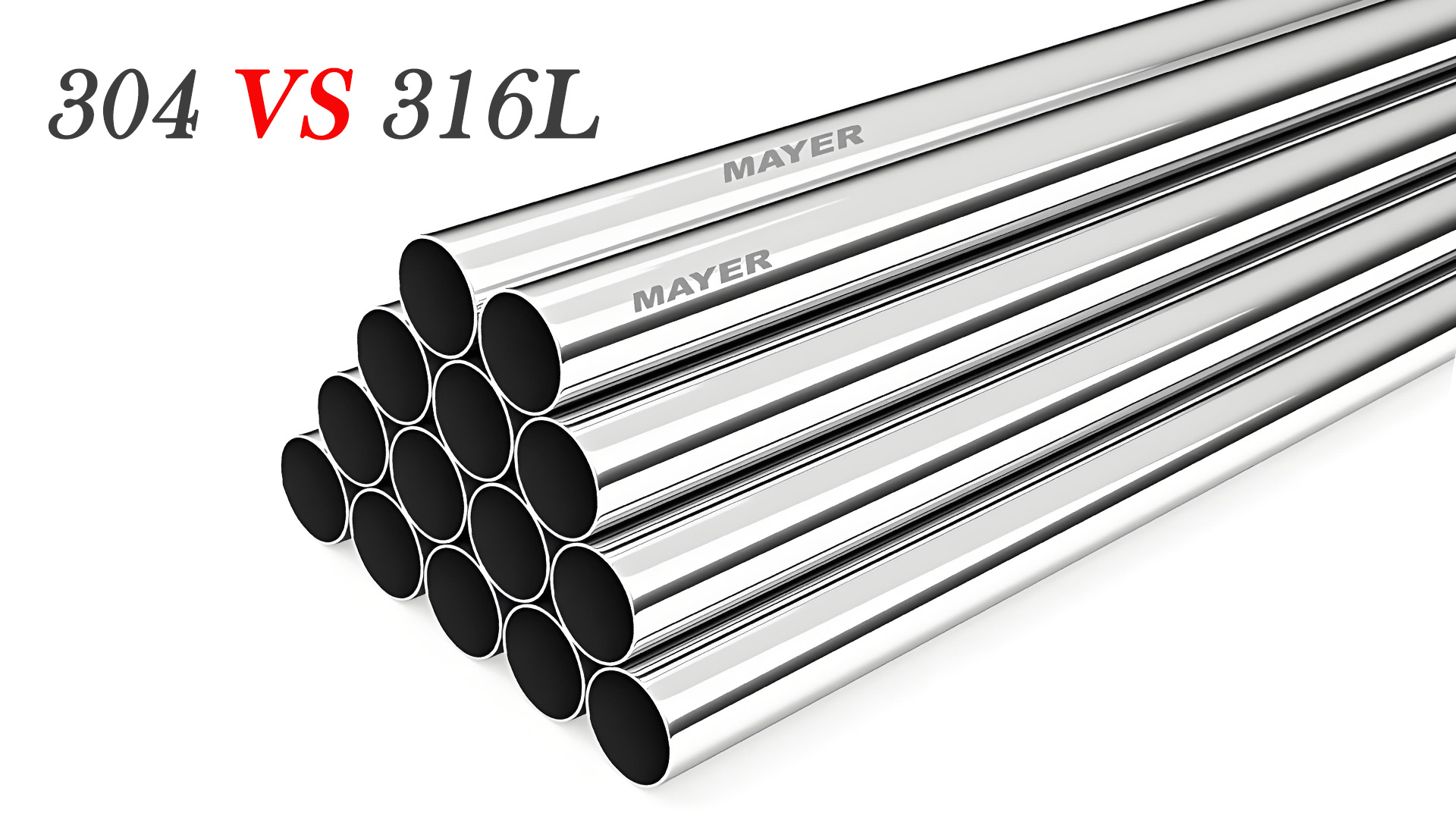
Stainless steel pipes — especially 304 and 316L grades — are widely used across industries for their excellent corrosion resistance, mechanical strength, and durability. However, many buyers focus solely on material grade and dimensions while overlooking a critical factor that directly affects service life, performance, and appearance: surface finish.
Different surface treatments transform the same underlying stainless steel tube into a product suited for vastly different environments — from general industrial fluid transport to pharmaceutical-grade sterile systems, from outdoor marine applications to high-end architectural installations. This guide provides a comprehensive, side-by-side comparison of the most common surface finishes for 304/316L stainless steel pipes, helping you make the right choice for your project.
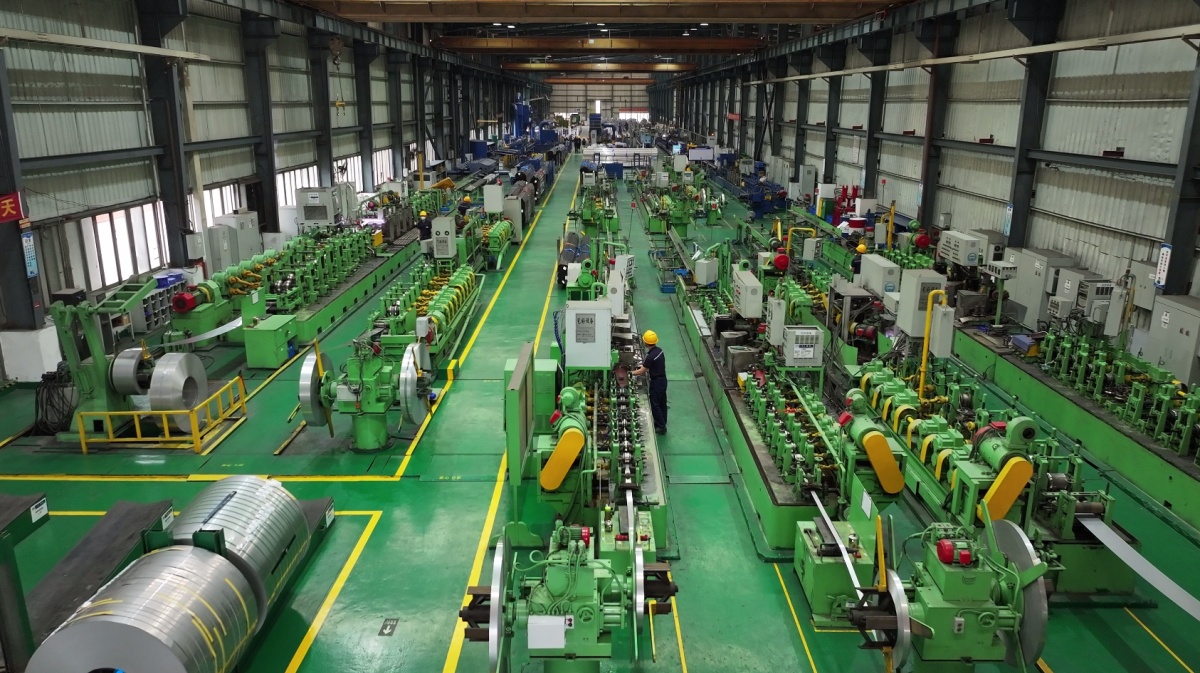
Guangzhou Mayer - Stainless Steel Pipes and Fittings Manufacturer
Material Grades: 304 vs. 316L Stainless Steel
Before exploring surface finishes, it‘s important to understand the two base materials.
304 Stainless Steel is the basic chromium-nickel austenitic stainless steel. It combines excellent mechanical properties with strong resistance to most corrosive agents encountered in domestic and industrial use. This makes it the most versatile and widely used stainless steel grade, and it is often selected for its balance of performance and cost-effectiveness.
316L Stainless Steel is a chromium-nickel stainless steel modified with the addition of molybdenum (2-3%). This molybdenum addition greatly increases its corrosion resistance, particularly against pitting and crevice corrosion in chloride-rich environments such as marine applications and chemical processing. The “L” designation indicates a low carbon content, which provides enhanced resistance to intergranular corrosion after welding. 316L contains 16-18% chromium and 10-14% nickel, offering significantly better performance in aggressive environments.
| Property |
304 Stainless Steel |
316L Stainless Steel |
| Corrosion Resistance |
Good |
Excellent |
| Chloride Resistance |
Moderate |
Superior |
| Marine Environment Suitability |
Limited |
Excellent |
| Cost |
Lower |
Higher |
| Typical Applications |
Household products, indoor piping, kitchen equipment |
Marine equipment, chemical plants, pharmaceutical, food processing |
Summary of Surface Finishes for 304/316L Stainless Steel Pipes / 304/316L
| Finish |
Definition |
Corrosion Resistance |
Appearance |
Typical Applications |
Cost |
| AP (Annealed & Pickled) |
Acid treatment removes scale and impurities |
High |
Matte, uniform silver-white |
General industrial piping, steam systems, chemical lines |
Low |
| MP (Mechanical Polished) |
Abrasive belts/wheels smooth surface |
Moderate (requires passivation) |
Adjustable semi-bright to bright |
Architectural decoration, furniture, mechanical parts |
Medium |
| BA (Bright Annealed) |
Annealed in inert gas atmosphere |
High |
Clean, smooth, slightly reflective |
Food processing, heat exchangers, precision instruments |
Medium-High |
| EP (Electropolished) |
Electrochemical polishing removes micro-irregularities |
Very High |
Mirror-like, ultra-smooth |
Pharmaceuticals, semiconductor, high-purity systems |
High |
| Brushed |
Linear directional texture |
Moderate |
Satin texture, subtle luster |
Elevator doors, appliances, furniture |
Medium |
| Sandblasted |
High-pressure abrasives impact surface |
Moderate |
Uniform matte, non-reflective |
Electronic enclosures, precision instruments |
Medium |
1. AP Finish — Annealed & Pickled
What Is AP Surface?
AP (Annealed & Pickled) is a chemical surface treatment that uses acid solutions to remove mill scale, oxide layers, weld heat tint, and other surface impurities. This process is typically performed after annealing (heat treatment) to produce a clean, uniform matte finish. The process restores the stainless steel’s natural corrosion resistance by eliminating chromium-depleted layers that form during welding or high-temperature fabrication.
Key Benefits
· Restores full corrosion resistance — Removes chromium-depleted layers from heat-affected zones in welds
· Cost-effective — Relatively low processing cost, suitable for large-scale industrial applications
· Uniform surface appearance — Produces a consistent matte finish free of scale and discoloration
· Enhances weld zone corrosion resistance — Particularly important for maintaining system integrity at welded joints
Applications
· General industrial process lines
· Steam systems and compressed air lines、
· Inert gas distribution
· Standard chemical services
· Instrumentation and control lines
· Heat exchanger components
2. MP Finish — Mechanical Polished
What Is MP Surface?
MP (Mechanical Polishing) is a physical surface finishing process that uses abrasive belts, grinding wheels, or polishing wheels to remove surface irregularities, scratches, and burrs from stainless steel pipes. The process typically progresses through multiple stages — rough polishing, intermediate polishing, and fine polishing — using progressively finer abrasives to achieve the desired smoothness and brightness.
Key Benefits
· Adjustable finish levels — Brightness and smoothness can be controlled by selecting different grit sizes
· Improved visual appearance — Creates a uniform, aesthetically pleasing finish
· Removes surface defects — Eliminates scratches, burrs, and minor imperfections
· Low processing cost — Suitable for batch processing of pipes
Important Note
Mechanical polishing itself does not improve corrosion resistance. In fact, the polishing process can remove the natural chromium oxide passive layer. When MP pipes are used in corrosive environments, they require post-polishing passivation treatment to restore corrosion protection。
Applications
· Architectural decoration and building trim
· Furniture manufacturing (handrails, chair frames, table legs)
· Mechanical components requiring enhanced appearance
· Non-critical food equipment
· Escalators and elevator interiors
3. BA Finish — Bright Annealed
What Is BA Surface?
BA (Bright Annealing) is a heat treatment process performed in a controlled inert gas atmosphere — typically argon or hydrogen — at high temperatures. The inert atmosphere prevents oxidation during the annealing process, resulting in a clean, bright, and oxide-free surface without the need for subsequent pickling. The process also relieves internal stresses and improves the tube’s mechanical properties.
Key Benefits
· No oxide scale — The inert atmosphere prevents formation of oxide layers during heat treatment
· High cleanliness level — No post-treatment chemical residues or contaminants
· Good corrosion resistance — Comparable to AP finish, and in some environments, even better due to the homogeneous passive film
· Excellent surface quality — Smooth, reflective surface without oxidation marks
Applications
· Food and beverage processing equipment
· Heat exchangers and condenser tubes
· Cleanroom piping systems
· Precision instrumentation
· High-purity gas distribution lines
· Pharmaceutical and bio-pharmaceutical sterile environments
4. EP Finish — Electropolished
What Is EP Surface?
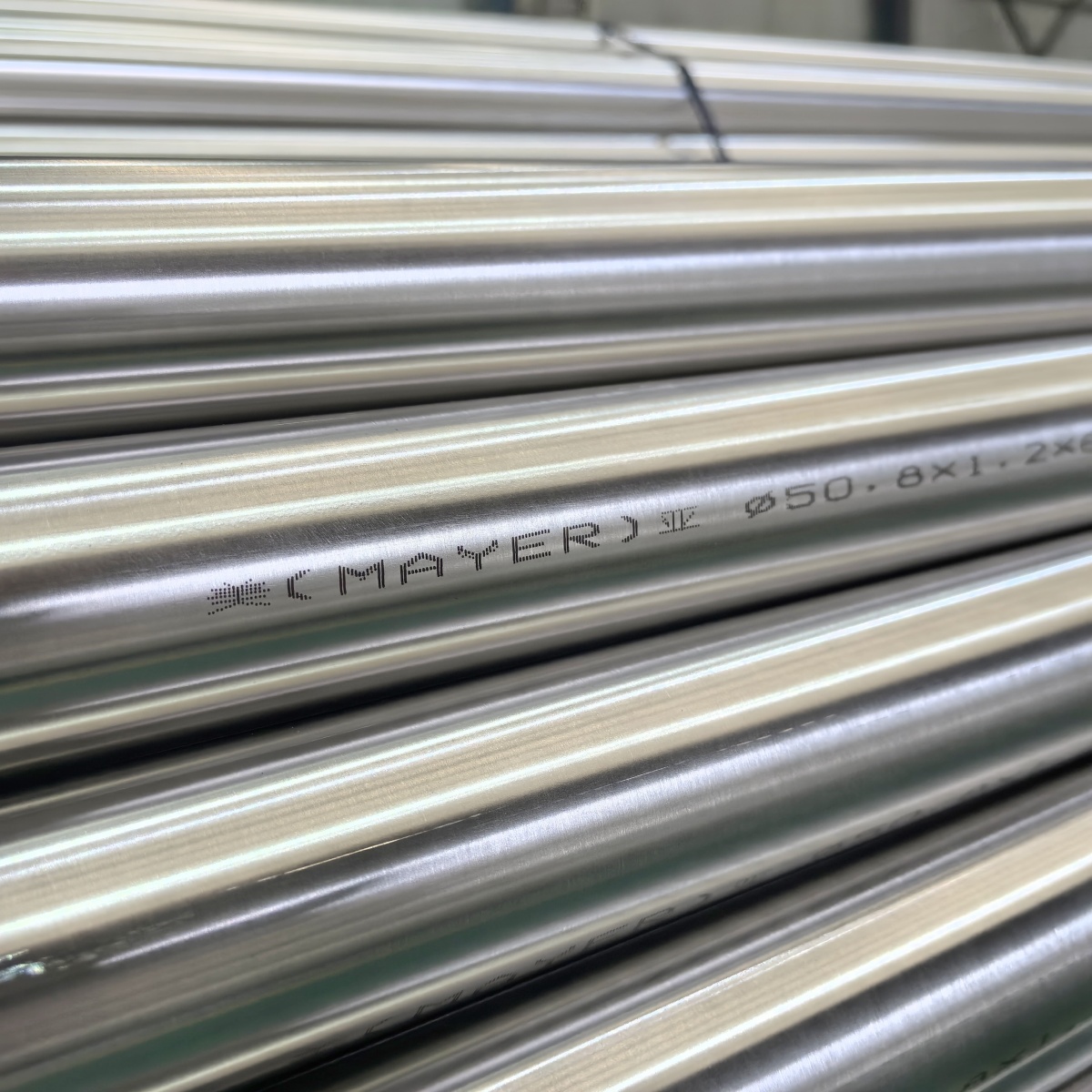
EP (Electropolishing) is an electrochemical process that removes a thin layer of material from the stainless steel surface — typically 20–40 microns — by using the pipe as the anode in an electrolytic solution. The process preferentially removes microscopic peaks and protrusions, leaving a smooth, mirror-like surface at the microscopic level. Unlike mechanical polishing which can smear or work-harden the surface, electropolishing creates a truly clean, passive surface.
Key Benefits
· Best-in-class corrosion resistance — Forms a thicker, more uniform chromium oxide passive layer
· Ultra-smooth surface — Lowest surface roughness (Ra value), minimizes particle adhesion and biofilm formation
· Removes embedded contaminants — Eliminates surface impurities that mechanical methods cannot reach
· Excellent cleanability — Highly polished surface enables thorough cleaning and sterilization, suitable for CIP/SIP processes
· Outgassing reduction — Critical for vacuum and high-purity applications
Applications
· Pharmaceutical and biopharmaceutical manufacturing
· Semiconductor fabrication and cleanrooms
· High-purity gas and ultra-pure water systems
· Aerospace and precision instrument components
· Medical devices and surgical instruments
· Laboratory and research facility piping
5. Brushed Finish
What Is Brushed Finish?
Brushed finish (also known as HL or satin finish) creates a linear, directional texture on the stainless steel surface using abrasive belts or brushes. The result is a satin-like surface with fine, parallel grain lines that provide a subtle metallic luster without high reflectivity. Common texture types include long grain, short grain, and random (“snowflake”) patterns.
Key Benefits
· Conceals scratches and fingerprints — The directional texture effectively masks minor wear and tear, making it ideal for high-touch surfaces
· Slip resistance — The textured surface provides better grip compared to polished finishes
· Modern aesthetic appeal — Creates a sophisticated, contemporary look with subtle luster
· Cost-effective — Lower processing cost compared to mirror polish
Limitations
Slightly reduced corrosion resistance — The surface texture can disrupt the passive layer. Brushed pipes are not recommended for outdoor exposure without additional protection
Applications
· Elevator interiors and escalator panels
· Kitchen appliance exteriors
· Furniture frames and metal fittings
· Public transportation interiors
· Commercial building handrails and trim
6. Sandblasted Finish
What Is Sandblasted Finish?
Sandblasted finish (also known as bead blasting or shot blasting) involves propelling fine abrasive media — such as quartz sand, glass beads, or aluminum oxide — at high velocity against the stainless steel surface. The impact creates a uniform matte texture with a fine, granular appearance. This process effectively removes oxidation, scale, and surface contaminants while creating a specific surface roughness profile.
Key Benefits
· Uniform matte appearance — Creates a consistent, non-reflective finish ideal for anti-glare applications
· Improved coating adhesion — The roughened surface provides excellent mechanical bonding for subsequent coatings or paints
· Stress relief — The impact process can introduce beneficial compressive stresses on the surface
· Minimal dimensional change — Removes only surface material without affecting pipe dimensions significantly
Applications
· Electronic device enclosures and housings
· Precision instrument panels
· Anti-glare architectural elements
· Surfaces requiring coating or painting preparation
· Industrial equipment where high reflectivity is undesirable
How to Choose the Right Surface Finish?
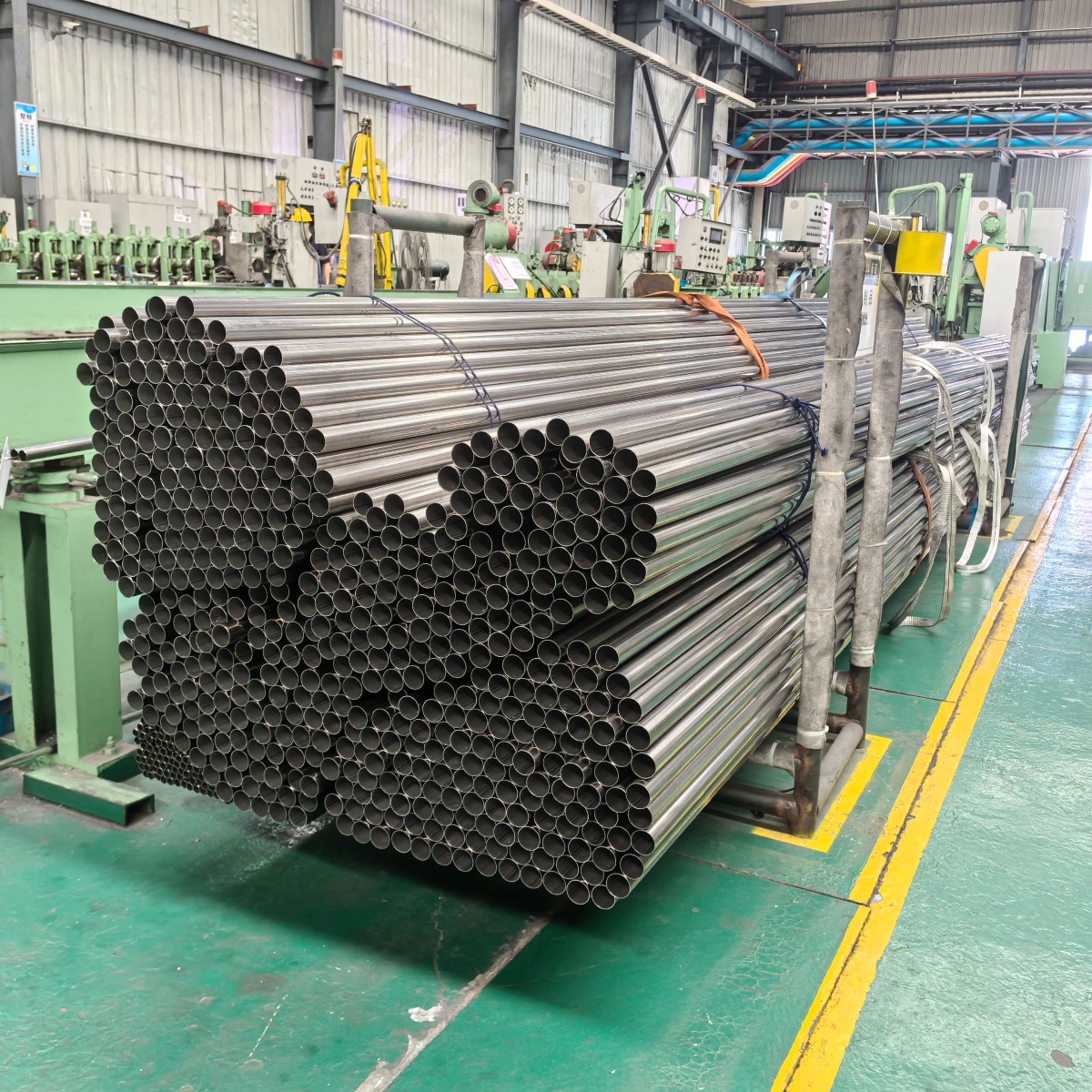
When selecting the appropriate surface finish for your application, consider the following key factors:
| Factor |
Consideration |
| Operating Environment |
High corrosion risk (marine, chemical) → AP, BA, or EP; Mild environment → MP or brushed |
| Cleanability Requirements |
Pharmaceutical/food processing → EP or BA; General use → AP or MP |
| Surface Aesthetics |
High reflectivity desired → EP or mirror polished; Matte/satin preferred → AP, brushed, or sandblasted |
| Budget Constraints |
AP is most cost-effective; EP and BA carry higher costs |
| Regulatory Compliance |
Pharma/Food → FDA/GMP compliant finishes (EP/BA) |
| Maintenance Frequency |
High-touch areas → brushed finish hides wear; High-purity → EP resists contamination |
Typical Applications Across Industries
| Industry |
Recommended Finish |
Reason |
| Food & Beverage |
BA / EP |
Hygiene requirements, easy cleaning, corrosion resistance |
| Pharmaceutical |
EP |
Ultra-smooth sterile surfaces, contamination prevention |
| Semiconductor |
EP |
High-purity gas/liquid transport, outgassing control |
| Chemical Processing |
AP / BA |
Corrosion resistance from aggressive chemicals |
| Architecture & Decoration |
MP / Brushed / Mirror |
Visual appeal, design flexibility |
| Marine Engineering |
316L + BA/EP |
Chloride corrosion resistance (316L) |
| Medical Devices |
EP |
Sterility, biocompatibility, smoothness |
| Petrochemical |
AP / BA |
High-temperature resistance, chemical inertness |
| Oil & Gas Pipelines |
Pickled & Passivated / AP |
Corrosion protection, weld integrity, saline environment resistance |
Quality Standards and Certifications
When sourcing 304/316L stainless steel pipes, ensure that products meet recognized international standards to guarantee quality and performance. Common applicable standards include:
· ASTM A269 / A213 / A249 / A270 / A312 / A554 — American standards for seamless and welded austenitic stainless steel tubes for general service, boilers, heat exchangers, and sanitary applications
· EN 10217-7 — European standard for welded stainless steel tubes for pressure purposes
· DIN 11850 — German standard for stainless steel tubes in food and pharmaceutical industries
· GMP / FDA — Compliance standards for pharmaceutical and food-grade sanitary applications
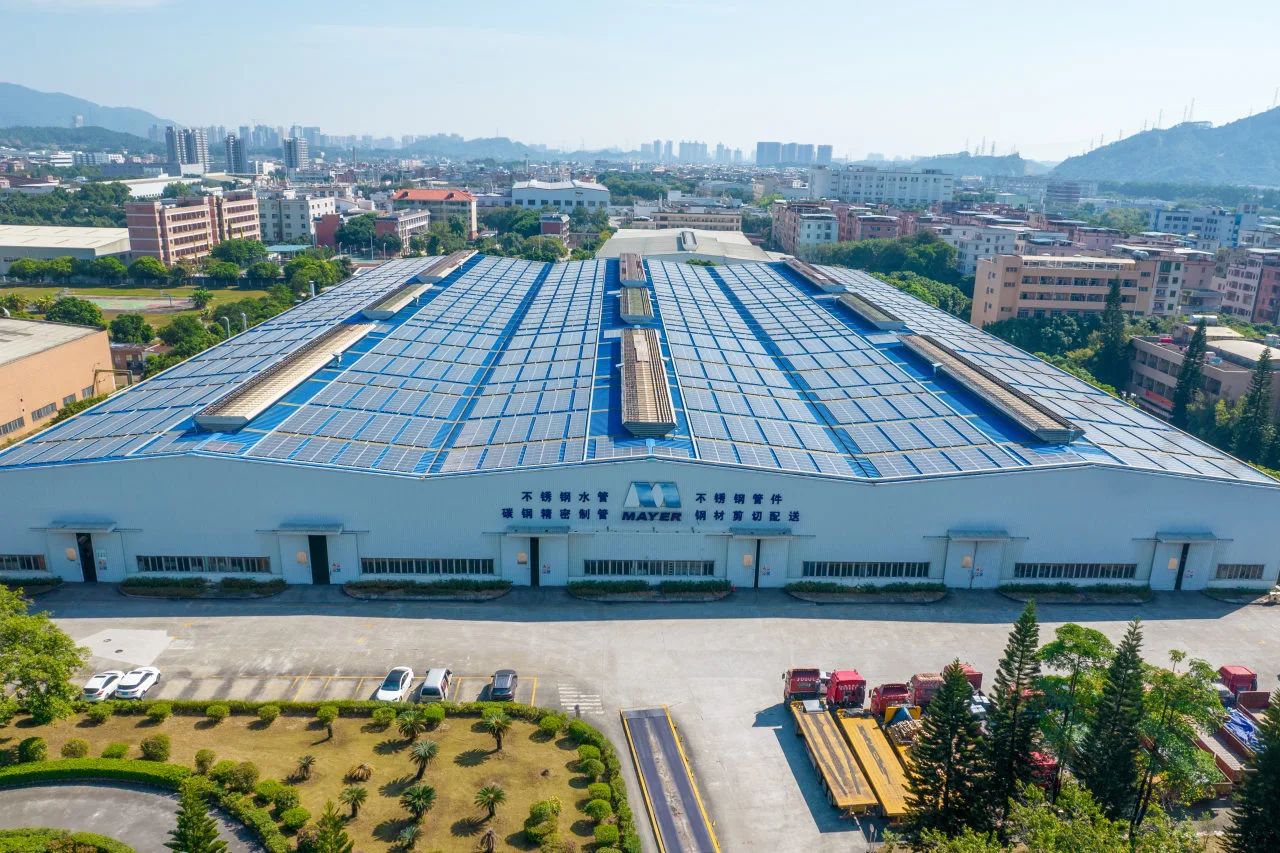
Guangzhou Mayer - 304/316L Stainless Steel Pipes and Fittings Manufacturer
Conclusion
The surface finish of 304 and 316L stainless steel pipes is not merely an aesthetic choice — it directly determines corrosion resistance, cleanability, service life, and regulatory compliance for a given application. AP finishes offer cost-effective corrosion protection for general industrial use. BA finishes provide clean, oxide-free surfaces ideal for food and cleanroom environments. EP finishes deliver the highest level of surface quality and corrosion resistance, making them the standard for pharmaceutical, semiconductor, and high-purity systems. Meanwhile, brushed and sandblasted finishes offer aesthetic versatility and fingerprint-hiding properties for architectural and commercial applications.
Ultimately, the choice of surface finish should align with your specific operating environment, cleanliness requirements, aesthetic preferences, and budget. By understanding the distinct benefits of each finish, you can make an informed decision that maximizes performance and value over the lifecycle of your stainless steel piping system.