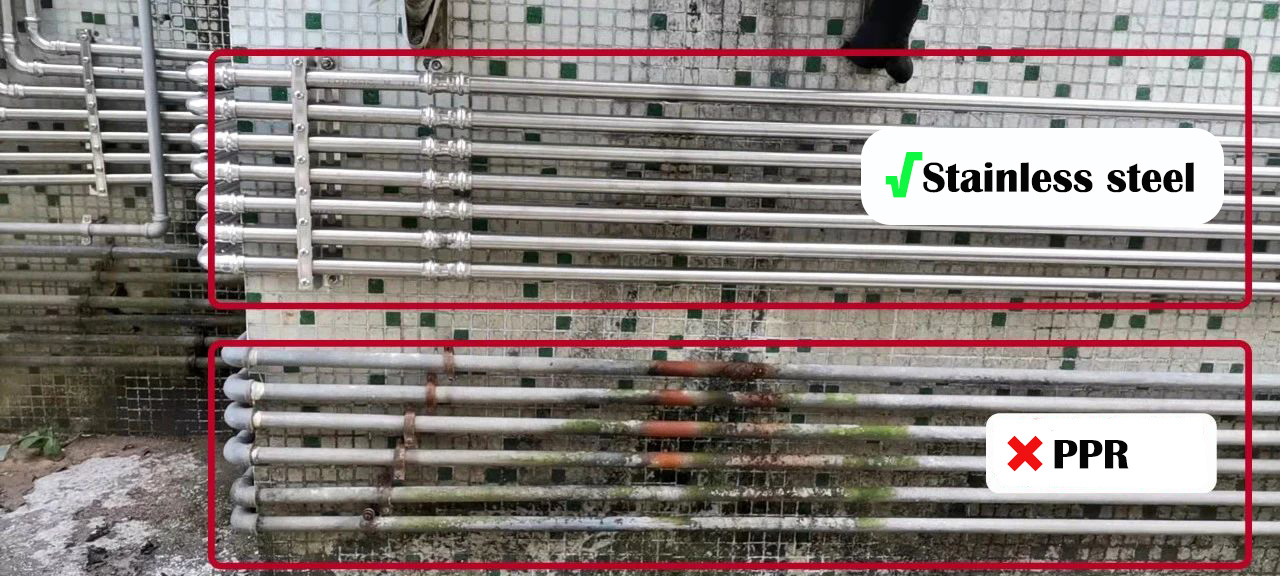
As a Chinese manufacturer of stainless steel pipes and fittings, we often get asked by overseas buyers: "What are the disadvantages of using stainless steel pipes?" It is a fair question. We sell stainless steel products, but we also want our customers to make informed decisions. No material is perfect for every application, and understanding the limitations of stainless steel helps you choose the right pipe for your project—and avoid costly mistakes down the road.
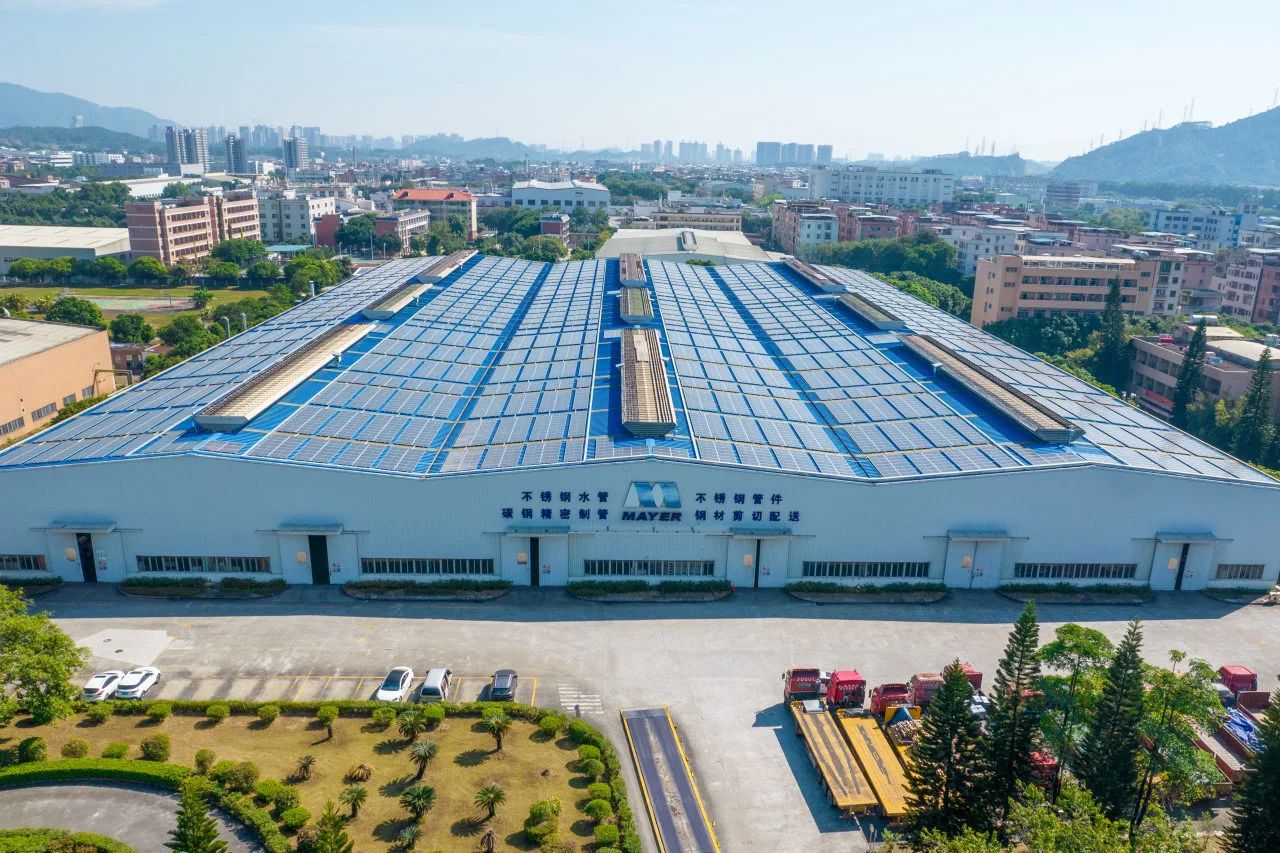
Our Factory
1. Higher Upfront Cost Compared to Carbon Steel and Other Alternatives
The most immediate disadvantage of stainless steel pipes is cost. Stainless steel generally costs 4 to 5 times more than carbon steel due to its high alloy content, including chromium, nickel, and sometimes molybdenum. In practical terms, carbon steel pipe typically costs 30% to 50% of the price of stainless steel for the same dimensions.
For large-scale projects—long-distance pipelines, municipal water networks, or structural applications—this price gap can significantly affect the total budget. A buyer choosing carbon steel for a dry gas line, for example, might pay 4 times more than necessary if they specify stainless steel when the service conditions do not require corrosion resistance.
However, we always remind our customers that upfront cost is only part of the picture. Stainless steel pipes typically last 30 to 50 years in corrosive environments, while carbon steel pipes may last only 5 to 10 years without protective coatings. When you factor in replacement labor, downtime, and maintenance, the lifecycle cost of stainless steel can actually be lower. The key is matching the material to the application.
2. Welding Challenges: Sensitization and Heat-Affected Zone Issues
Stainless steel pipe welding is more demanding than carbon steel welding. The heat-affected zone (HAZ) around the weld is particularly vulnerable. When austenitic stainless steels are heated to the range of 425°C to 815°C during welding, chromium carbides precipitate along grain boundaries, depleting the chromium content in those areas—a phenomenon known as sensitization. This depleted zone becomes highly susceptible to intergranular corrosion, especially in chloride-containing environments.
Moreover, stainless steel requires internal purging with argon gas during welding to prevent oxidation on the inside surface of the pipe. Carbon steel generally does not require this step, because its higher thermal conductivity accelerates weld pool cooling and reduces oxidation severity. Without proper purging, the weld root will form oxide scale (often called "sugaring"), which significantly degrades corrosion resistance.
In the field, it is often impractical to perform solution annealing (固溶处理) on welded joints of thin-wall stainless steel pipes and fittings. Without post-weld heat treatment, the corrosion resistance of the weld zone can be substantially compromised compared to the base metal.
As a manufacturer, we address these issues through strict welding procedure qualifications, proper filler material selection, and rigorous inspection. But the buyer should be aware that installation quality has a major impact on the long-term performance of stainless steel piping systems.
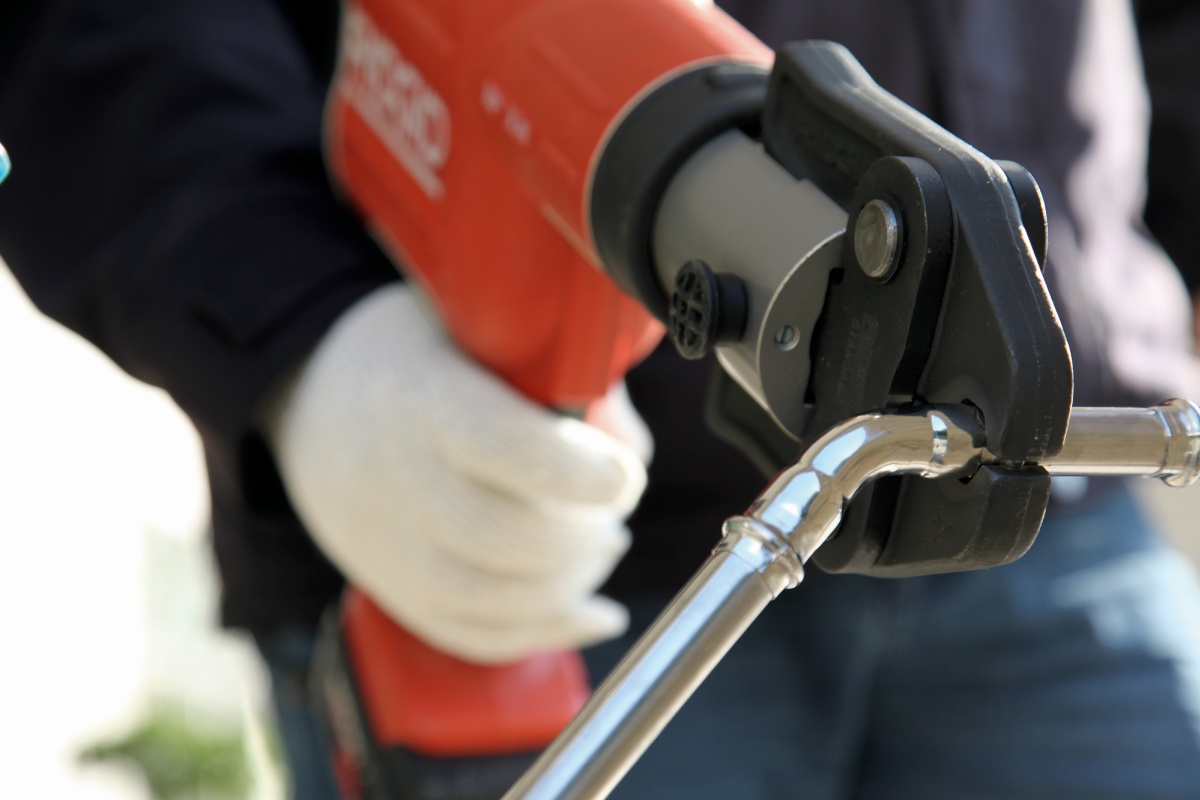
Crimping Stainless Steel Press Fittings, not Welding3. Chloride-Induced Corrosion: The Achilles' Heel of 304 and 316
The most commonly used stainless steel grades—304 and 316—are not immune to corrosion. Their protective passive film can be breached by chlorides, leading to pitting corrosion, crevice corrosion, and stress corrosion cracking (SCC).
According to Nickel Institute guidelines, 304 stainless steel can tolerate continuous exposure to approximately 200 ppm chloride at neutral pH and ambient temperature, while 316 handles about 1,000 ppm. Seawater contains roughly 3% sodium chloride—about 30,000 ppm—far exceeding these limits. This is why traditional 304 and 316 stainless steels have been considered unsuitable for seawater applications without additional protection or higher-grade alloys.
Free chlorine used for water disinfection is even more aggressive. Research has shown that free chlorine accelerates the release of chromium, iron, and nickel from stainless steel surfaces, causing cracks, pits, and pronounced surface degradation. At temperatures above 60°C, 304 and 316 are at risk of sudden failure from chloride stress corrosion cracking.
Real-world failures confirm this. A technical report documented SUS304 siphon pipes in a Japanese agricultural water facility that experienced significant wall thinning and perforation within just a few years of installation, particularly around welded regions—even in what was expected to be a benign freshwater environment.
Our recommendation: For chloride-rich environments (coastal areas, seawater systems, de-icing salt exposure), specify 2205 or 2507 duplex stainless steel, or consider 316L as a minimum. In our factory, we produce all of these grades and can advise on the right choice based on your specific chloride levels and operating temperature.
4. Lower Thermal Conductivity Than Copper and Aluminum
If your application involves heat exchange, stainless steel's thermal conductivity is significantly lower than copper. SUS 304 and SUS 304Cu have thermal conductivities far below that of copper tubing. This means that for the same heat transfer duty, a stainless steel heat exchanger requires more surface area—and therefore more material—than a copper equivalent.
However, stainless steel tubes actually have better anti-fouling performance than copper tubes. Experimental results show that the fouling mass on stainless steel tubes is 23.8% to 68.3% lower than on copper tubes, and the fouling layer is thinner. In long-term operation, this reduced fouling partially offsets the lower thermal conductivity, because the heat transfer efficiency penalty from fouling buildup on copper tubes can reach up to 30%.
For buyers evaluating heat exchanger tubing, the decision is not straightforward. Copper offers better heat transfer; stainless steel offers better fouling resistance and significantly lower material cost. The right choice depends on your water quality, cleaning cycle, and total lifecycle economics.
5. Comparison with Other Pipe Materials
To give you a clearer picture, here is how stainless steel pipes compare with the main alternatives on their key disadvantages.
Stainless Steel vs. Carbon Steel
Carbon steel is cheaper (30–50% of stainless steel's price) and about 10% stronger, but it corrodes rapidly in moist or chemical environments, typically lasting only 5–10 years without coating protection. Stainless steel pipes cannot be directly welded to carbon steel pipes without isolation, because galvanic corrosion will occur at the junction. This is a common installation mistake that we see in the field, and it can cause premature failure at the connection point.
Stainless Steel vs. Galvanized Steel
Galvanized steel pipes have a zinc coating that provides temporary corrosion protection. The corrosion rate of galvanized pipe is approximately 0.98–1.34 mg/cm² per week, compared to just 0.05–0.10 mg/cm² per week for stainless steel. Galvanized coatings have a limited lifespan—typically 8 to 15 years—and in almost all applications, a galvanized steel piping system would need to be replaced one or more times during the life of the installation. Zinc ions can also dissolve into tap water, causing a "white water" phenomenon.
Stainless Steel vs. Copper
Copper is a well-established piping material with excellent thermal conductivity and natural antimicrobial properties. However, copper prices have been persistently rising, driving more municipal water system owners to switch to stainless steel piping. In soft water conditions, copper pipes can experience internal corrosion, producing "blue water" from dissolved copper ions. Copper tubes also tend to foul more heavily than stainless steel tubes in heat exchange applications.
Stainless Steel vs. PVC/Plastic Pipes
Plastic pipes (PVC, PPR, PE) are the cheapest option and completely immune to electrochemical corrosion. But they have significant structural limitations. Their pressure-bearing capacity is far lower than metal pipes—typically only a fraction of a megapascal—making them unsuitable for high-pressure, large-diameter applications. They also have poor heat resistance and are prone to buckling under negative pressure conditions, such as in siphon structures. Additionally, plastic pipes can release microplastics into water and are less resistant to UV degradation in outdoor installations.
Summary Comparison Table:
| Disadvantage |
Stainless Steel Pipe |
Carbon Steel Pipe |
Galvanized Pipe |
Copper Pipe |
PVC/Plastic Pipe |
| Upfront cost |
High (4–5× carbon steel) |
Low |
Medium |
High and rising |
Very low |
| Corrosion resistance |
Good, but limited by chlorides |
Poor without coating |
Moderate (coating-limited) |
Good in most water |
Excellent |
| Welding/installation |
Demanding; requires purging |
Easy |
Easy |
Requires soldering |
Easy (solvent/heat fusion) |
| Pressure rating |
High |
High |
High |
Medium-high |
Low |
| Temperature limit |
Up to 870°C |
Up to 540°C |
Limited |
Moderate |
Very low |
| Service life |
30–50 years |
5–10 years (uncoated) |
8–15 years |
20–30 years |
15–25 years |
 Our Customer Case
6. What This Means for Your Project
Stainless steel pipes are not a universal solution. They have real limitations—higher cost, welding complexity, and susceptibility to chloride attack in certain conditions. If your application involves clean, low-chloride water at moderate temperatures and a tight budget, carbon steel or plastic pipes may serve you better.
But if your service involves corrosive media, high temperatures, strict hygiene requirements, or a long design life where maintenance access is difficult, stainless steel remains one of the most reliable choices. The key is choosing the right grade—304 for general use, 316L for moderate chloride exposure, or duplex 2205/2507 for aggressive chloride environments—and ensuring proper welding and installation practices.
As a manufacturer, our role is not to sell stainless steel to everyone. It is to help you find the material that delivers the best balance of performance, durability, and cost for your specific conditions. If you are unsure which pipe material fits your project, our engineering team is ready to help.