In the selection of pipe materials for building water and gas supply systems, composite pipes and brass pipes once occupied a certain market share, but now stainless steel pipes and fittings have become the mainstream. This change is not accidental, but stems from the comprehensive advantages of stainless steel pipes in safety, durability, economy and environmental protection, which perfectly meet the core needs of building pipelines.
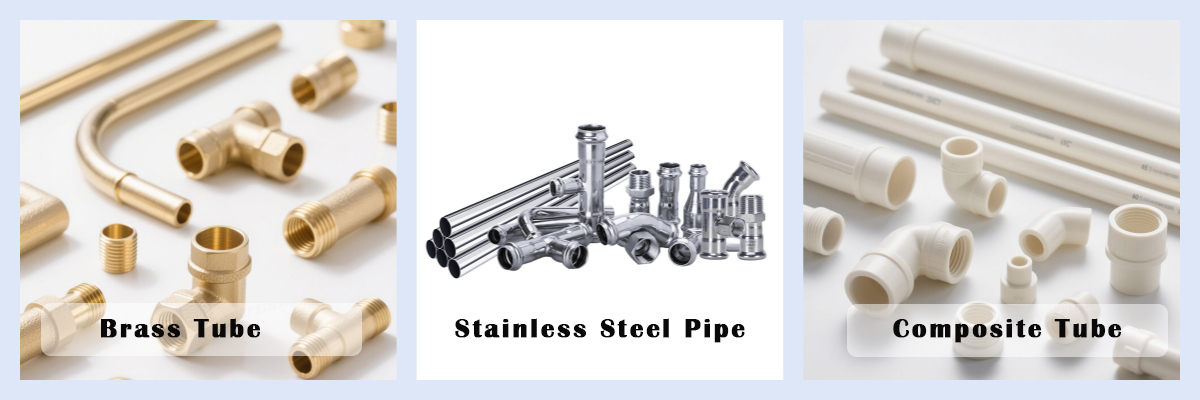
Safety is the primary consideration for building pipelines, and stainless steel pipes excel in this regard. In water supply, their smooth inner walls form a dense chromium oxide protective film, with no risk of heavy metal leaching, complying with GB 4806.9-2016 food contact safety standards and avoiding secondary pollution such as "yellow water" and "red water". For gas supply, they resist high temperature and pressure, maintaining structural integrity even at 800℃, with much lower leakage risk than composite pipes (prone to inner layer aging) and brass pipes (prone to corrosion when mixed with other materials). In contrast, brass pipes have lead leaching risks, while composite pipes easily loosen at joints due to temperature changes, causing safety accidents.
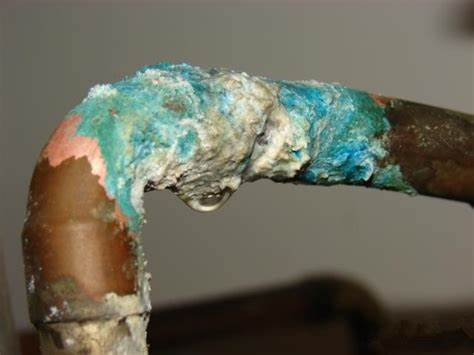 Brass pipes with copper patina
Durability determines the whole-life value of pipelines. The tensile strength of stainless steel pipes is 3-4 times that of brass pipes and 8-10 times that of composite pipes. They tolerate extreme temperatures from -270℃ to 400℃, showing excellent stability under complex conditions such as wind load and seismic load in high-rise buildings. Data shows their service life exceeds 70 years, while brass pipes are prone to alkali corrosion and composite pipes usually need replacement after 20-30 years. Moreover, stainless steel pipes require no additional anti-corrosion treatment and use ring-press connection, increasing installation efficiency by 80%, suitable for hidden building projects.
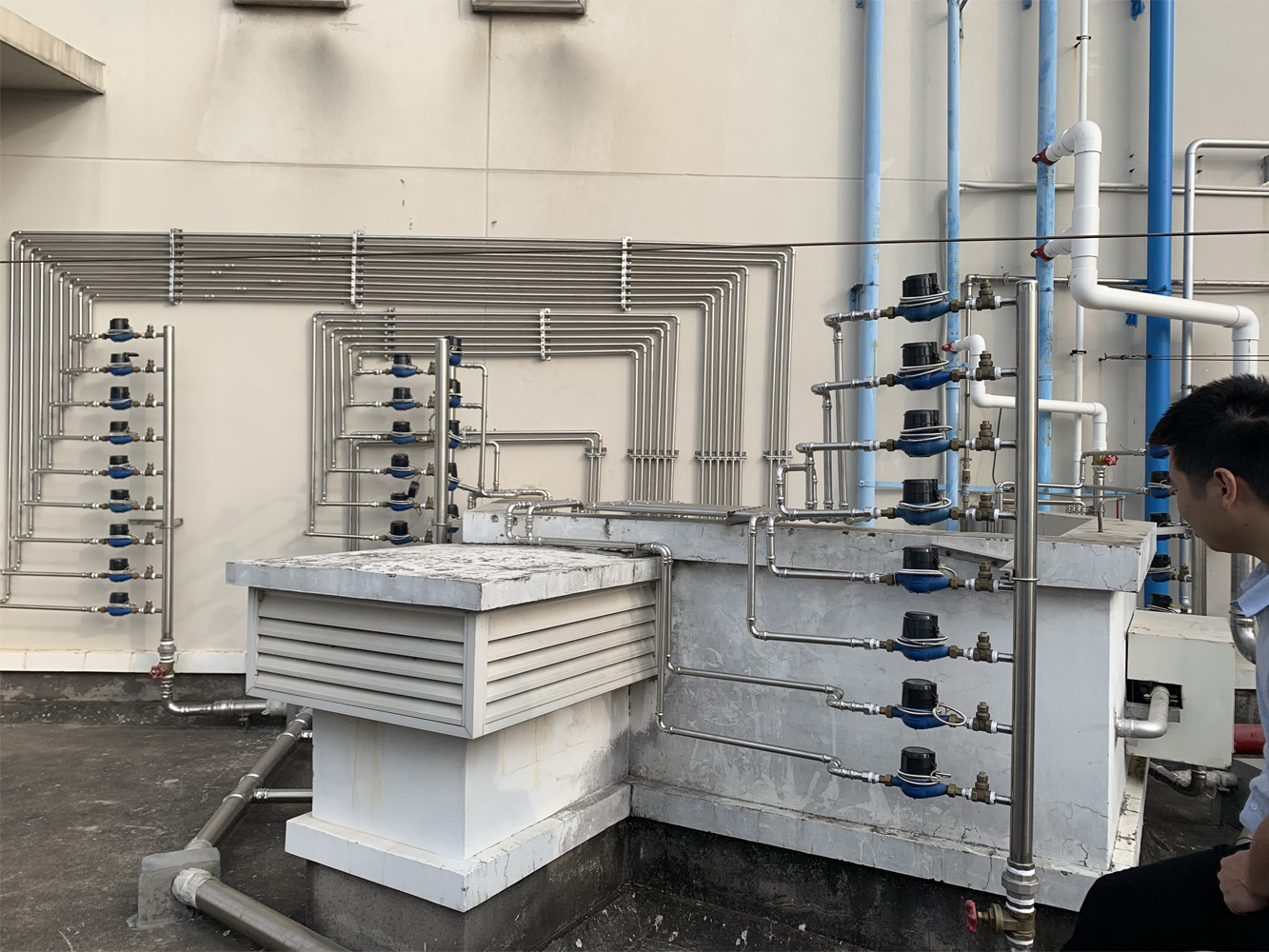
Mayer Stainless Steel Pipe for Construction
Economy and environmental protection further consolidate its advantages. Although the initial cost is higher than composite pipes, stainless steel pipes require no frequent maintenance for life, with 30-year comprehensive cost 40% lower than brass pipes. Environmentally, they are 100% recyclable, with life-cycle energy consumption only 1/3 of composite pipes, meeting the "dual carbon" goal. Brass pipes have high production energy consumption, while composite pipes are hard to recycle, both failing to meet the green needs of modern buildings.
From safety guarantee to long-term value, from construction adaptability to environmental requirements, stainless steel pipes surpass composite and brass pipes in all aspects, becoming the inevitable choice for building water and gas supply systems.
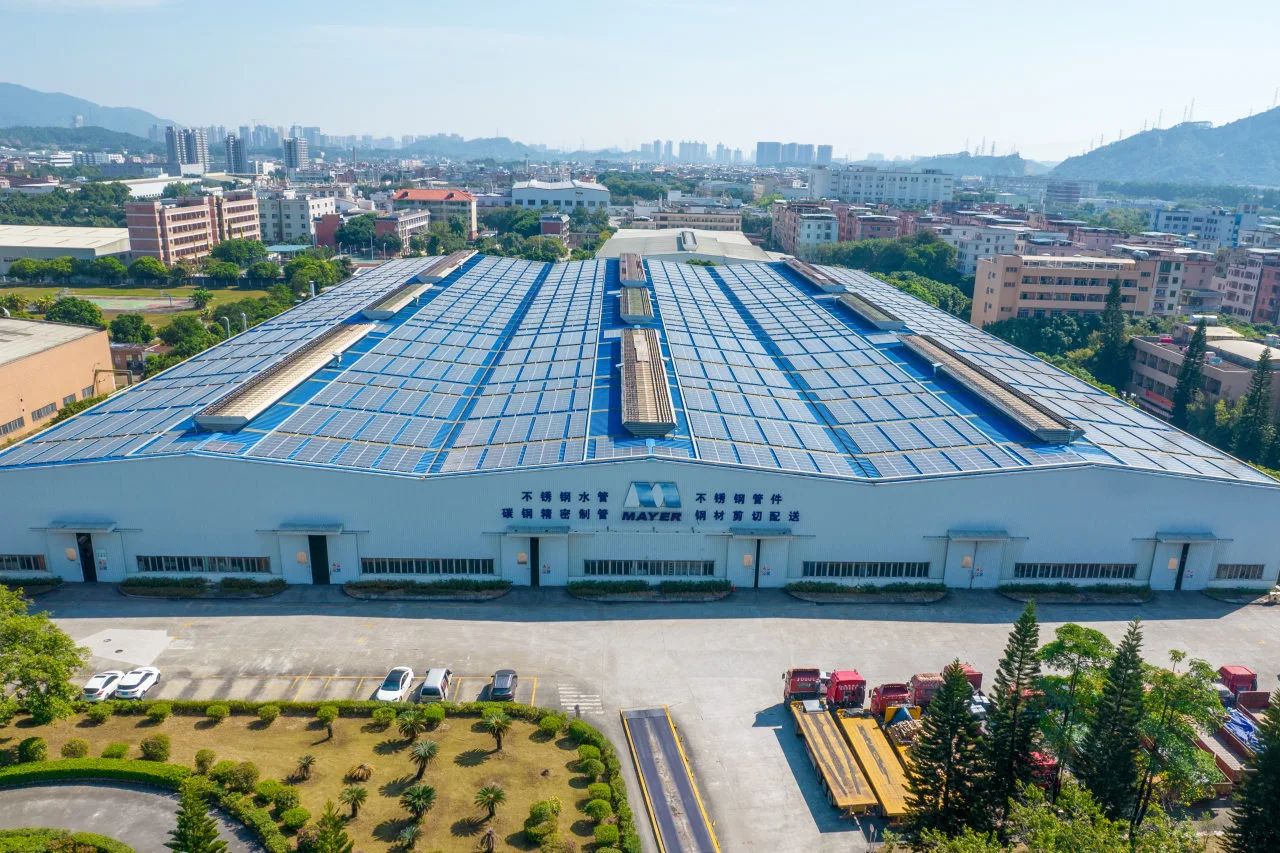
Customize Stainless Steel Pipe and Fitting, Choose Mayer Stainless