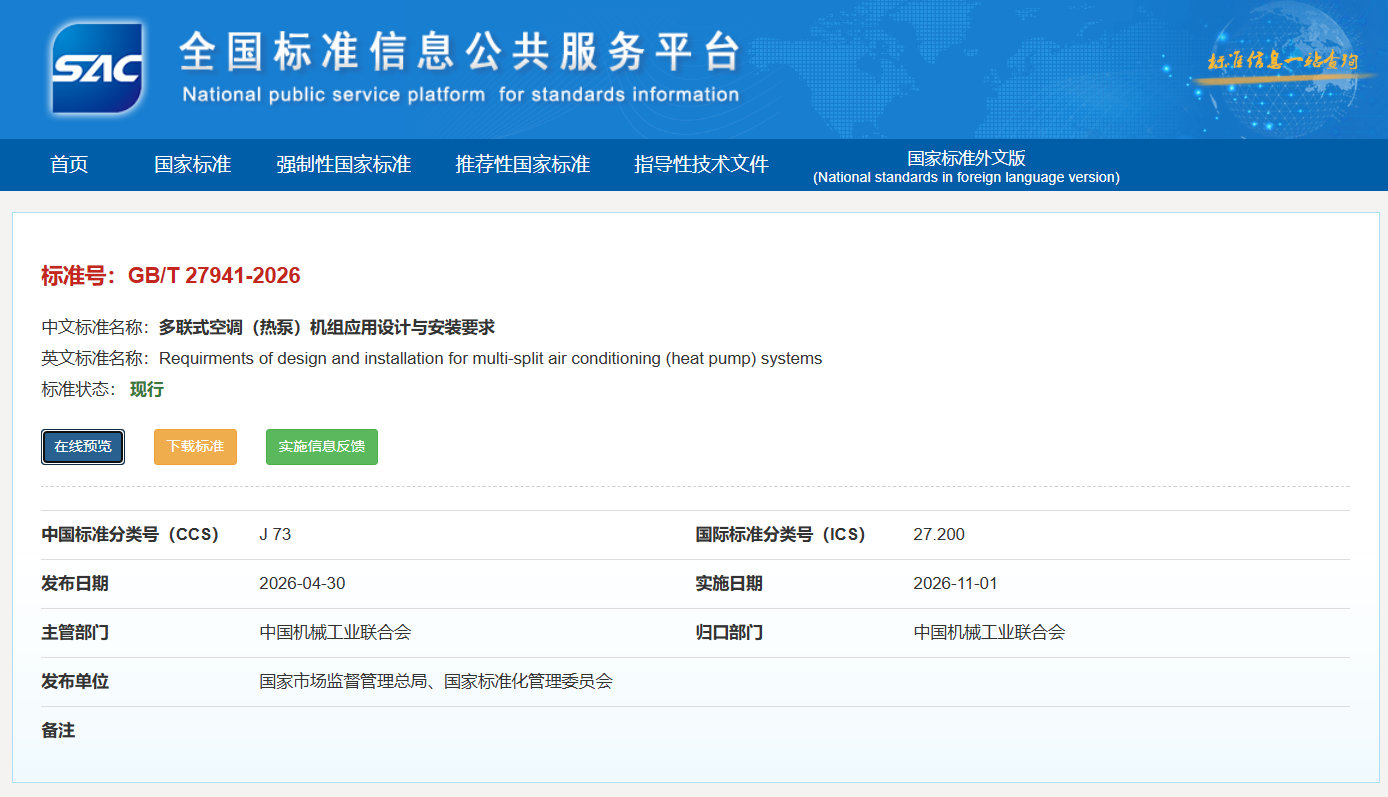
On November 1, 2026, the newly revised GB/T 27941—2026, "Application Design and Installation Requirements for Multi-split Air Conditioning (Heat Pump) Units," officially came into effect. The requirement that "copper pipes or stainless steel pipes should be used for the connecting pipes in multi-split systems" was formally codified in the national standard; this marks the first time that stainless steel pipes have been included in a national standard for the HVAC field.
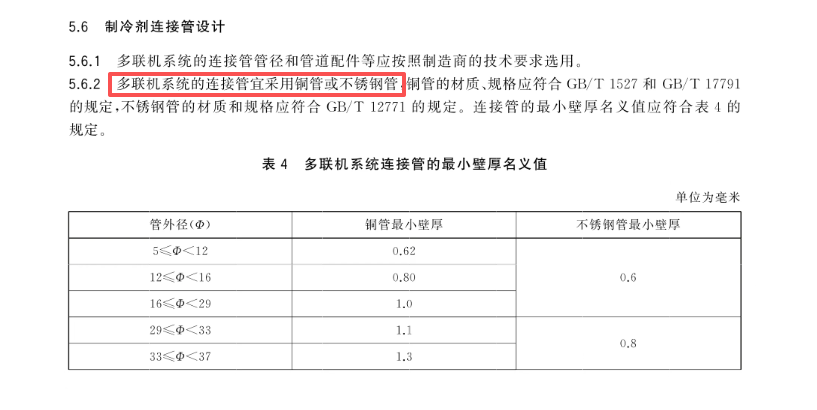
The key change is set out in Clause 5.6.2: for multi-split system connecting pipes, "copper pipes or stainless steel pipes are recommended"; the clause also specifies constraints on material and wall thickness—stainless steel pipes must comply with the requirements of GB/T 12771, and the nominal minimum wall thickness of the connecting pipes shall be specified in Table 4 below.
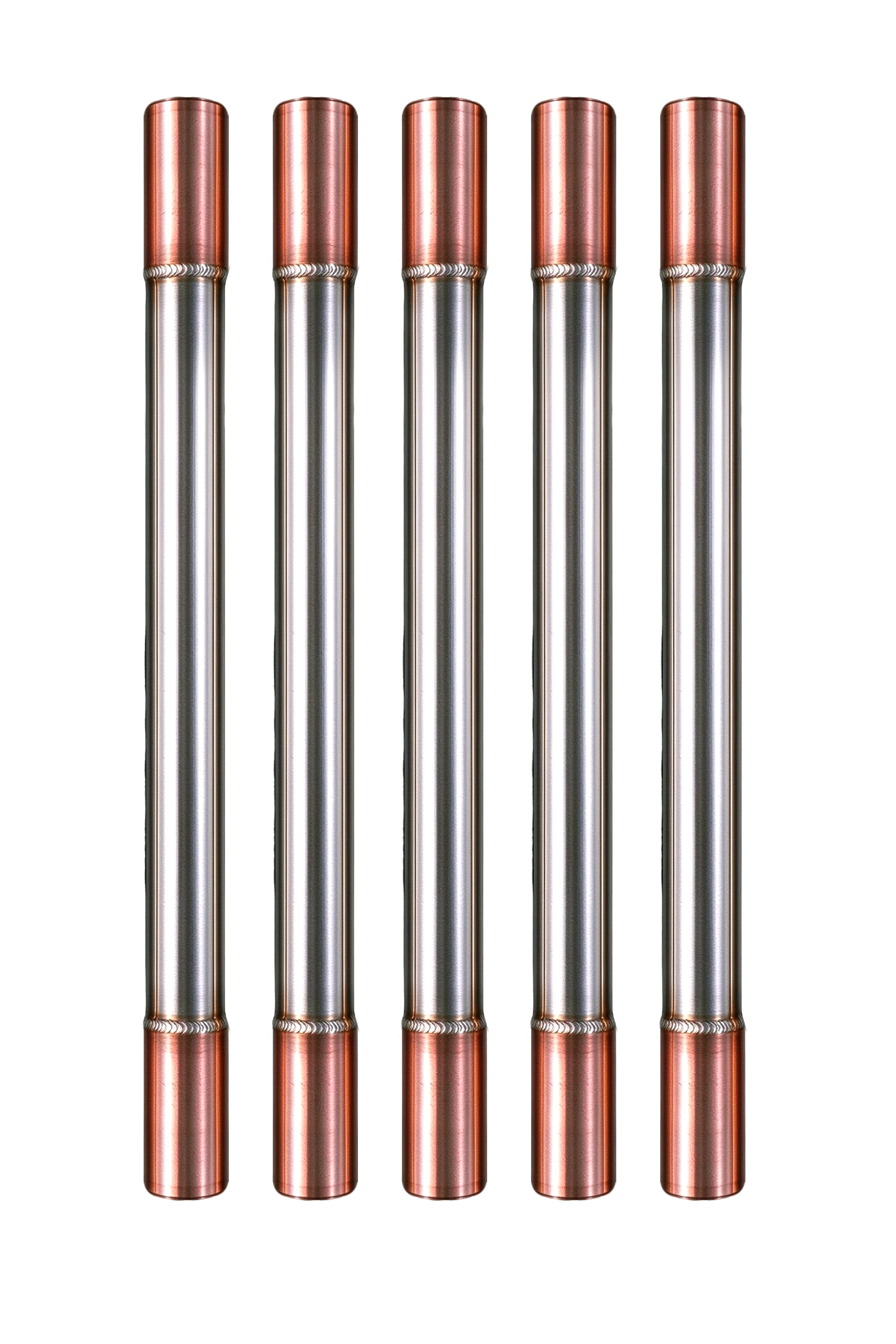
As a practitioner in the stainless steel piping industry, Mayer welcomes the implementation of relevant standards, which will expand the application opportunities for high-quality piping materials. The mature processes for stainless steel piping—including high-pressure resistance, corrosion resistance, clamp-type connections, and factory pressure testing for leak detection—have now been implemented in certain air-conditioning and refrigeration equipment systems.
Copper prices are currently fluctuating at elevated levels, while multi-split system piping continues to face significant pressure from high material costs; consequently, the cost advantages of stainless steel piping are becoming increasingly evident. HVAC and central air-conditioning connection piping are emerging as a growth sector, providing stainless steel water-piping companies with an opportunity to expand from the water-supply segment into HVAC piping applications.
For stainless steel pipe manufacturers, this current market window represents not only an opportunity to capitalize on demand for copper pipe substitution, but also a critical period for continuously validating the engineering value of stainless steel pipes by leveraging standardized systems, integrated process solutions, and long-term reliability.