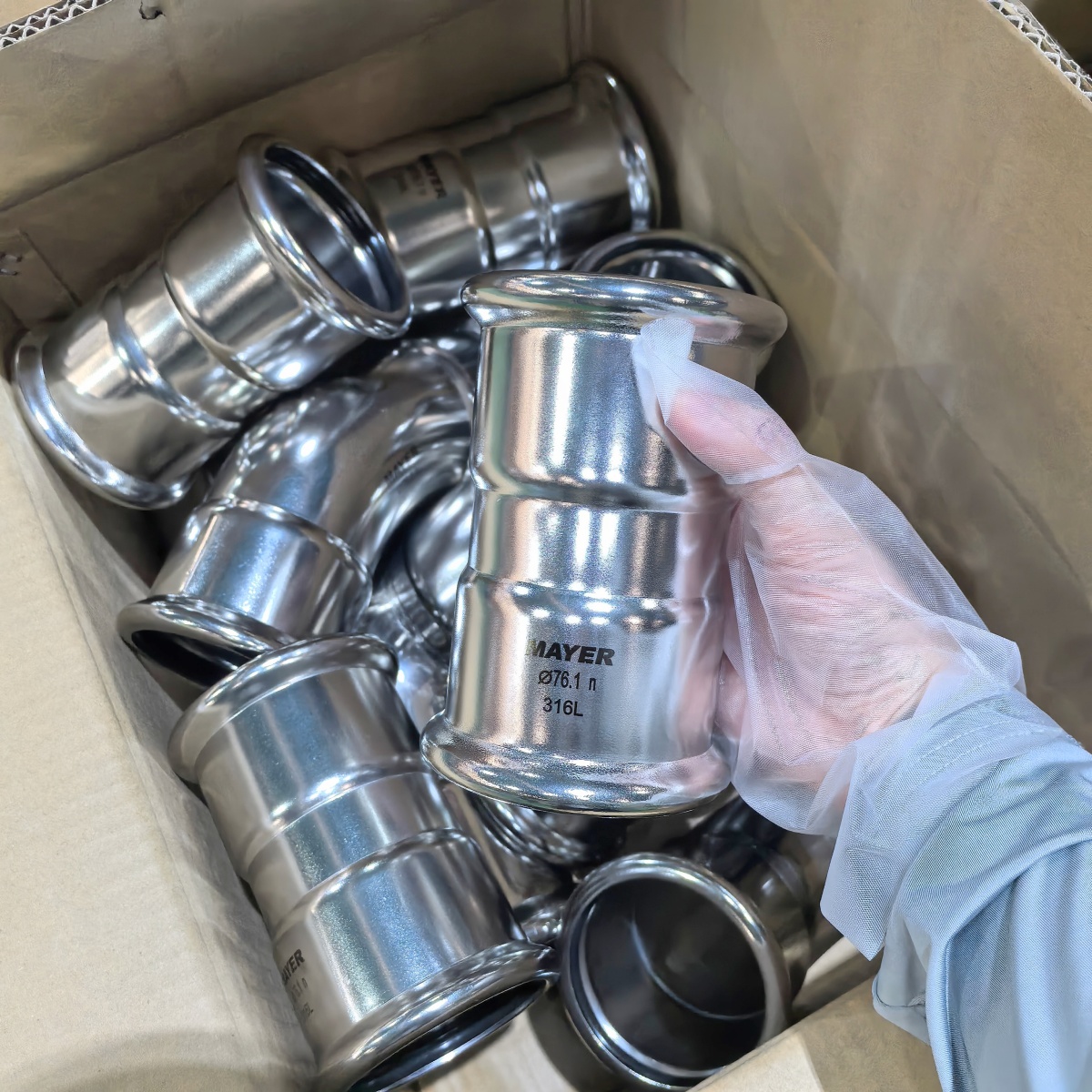
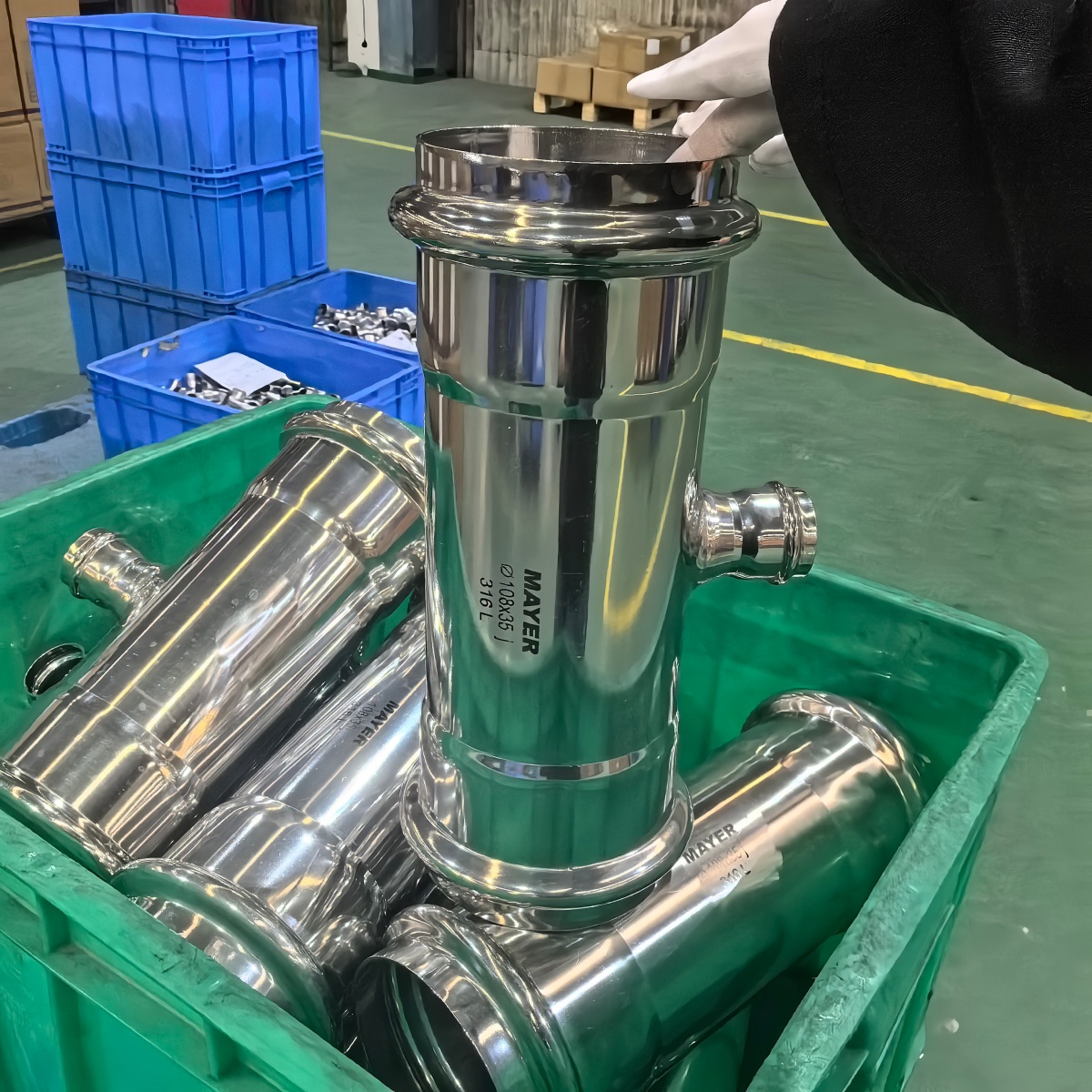
In the modern pharmaceutical industry, piping systems are responsible not only for transporting liquids and gases but also for ensuring product safety, purity, and stable production processes. From Purified Water (PW) systems and Water for Injection (WFI) systems to Clean Steam, process fluid transfer, and CIP/SIP systems, high-quality stainless steel piping has become an essential component of GMP-compliant pharmaceutical manufacturing.
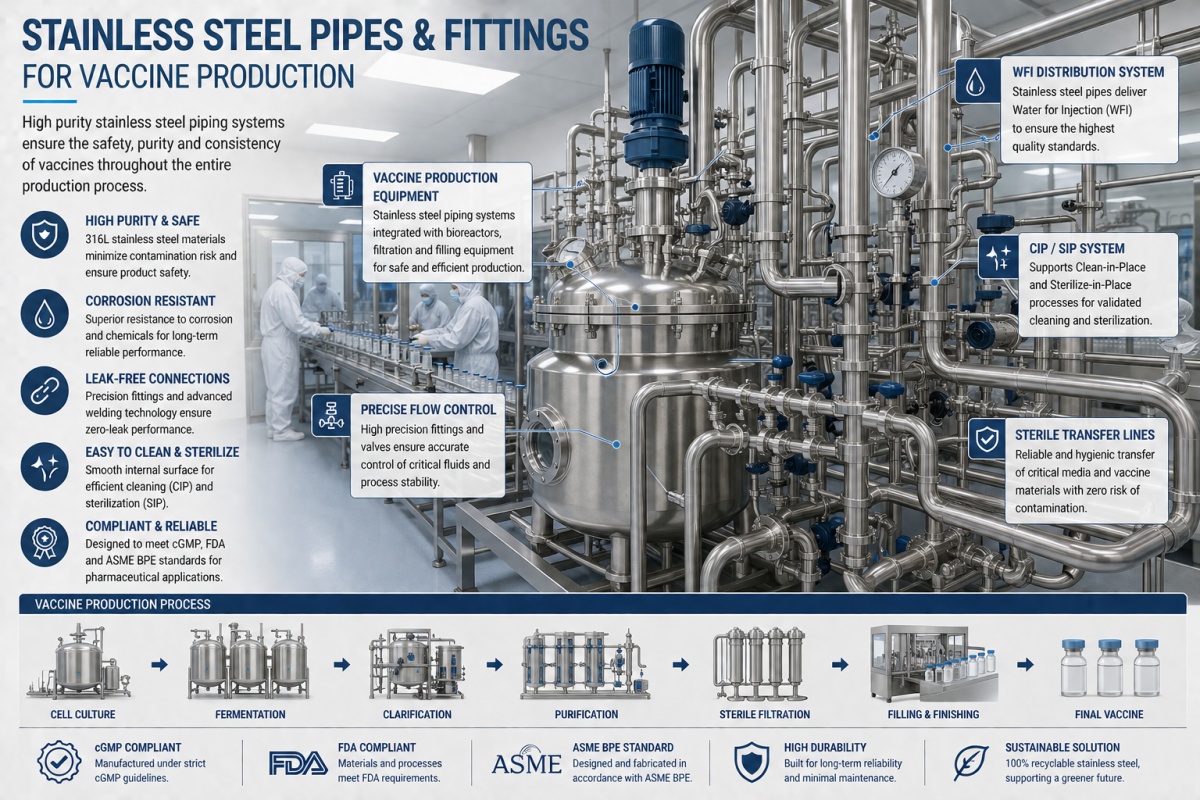
Stainless Steel Pipes & Fittings For Vaccine Production
304 and 316L stainless steel pipes and fittings are widely used in pharmaceutical clean piping systems. Among them, 316L stainless steel pipe, with its lower carbon content and superior corrosion resistance, is widely selected for purified water, WFI, and high-purity production environments. Meanwhile, 304 stainless steel pipe is commonly used in utility piping and general process systems, offering a cost-effective solution.
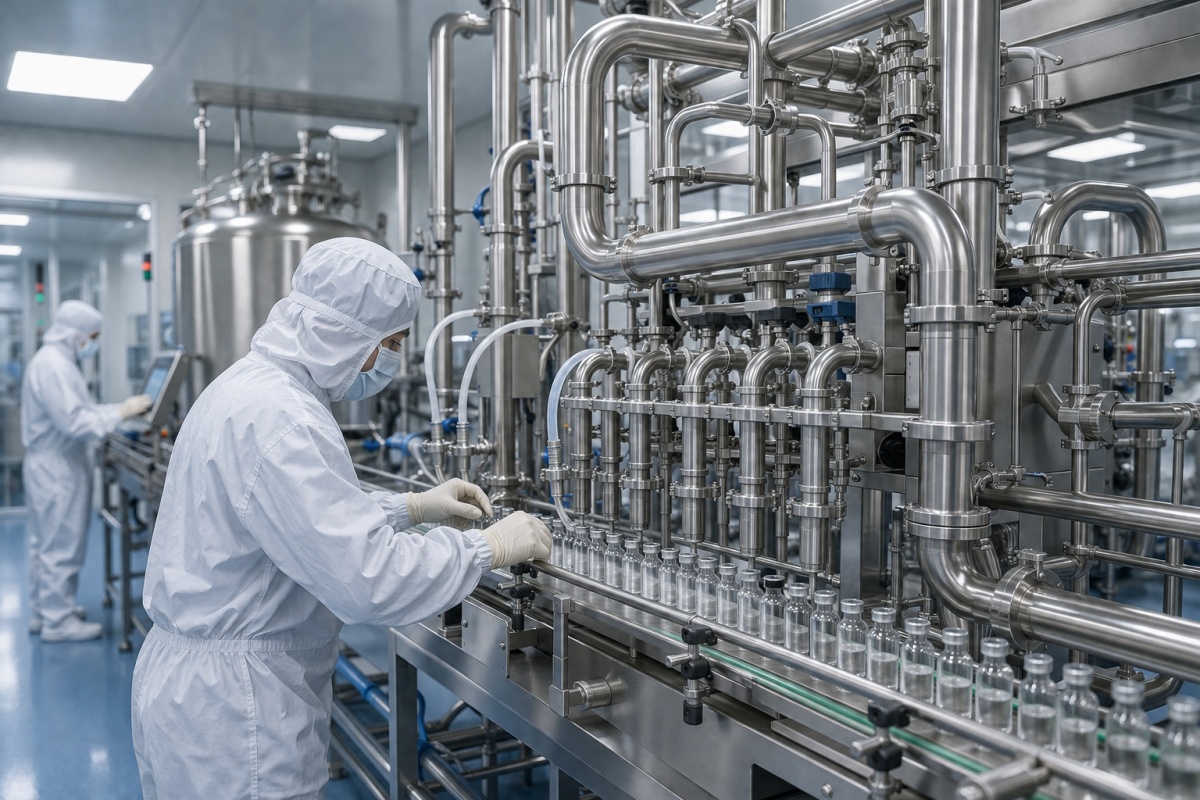 Stainless Steel Pipes & Fittings For Pharmaceutical Industry
Why does the pharmaceutical industry prefer 304 and 316L stainless steel pipes and fittings? The primary reason is outstanding corrosion resistance. Pharmaceutical fluids, purified water, and cleaning chemicals remain in contact with piping systems for extended periods. Materials with poor corrosion resistance may contaminate products and compromise quality. 316L stainless steel pipe effectively resists chloride corrosion and aggressive chemicals, making it an ideal material for pharmaceutical process piping.
Secondly, hygiene is one of the most critical requirements in pharmaceutical manufacturing. Sanitary stainless steel fittings feature smooth internal surfaces and precision manufacturing, minimizing bacterial growth and product residue. Hygienic stainless steel pipe also provides excellent surface finishes, enabling efficient Clean-in-Place (CIP) and Sterilization-in-Place (SIP) processes while reducing maintenance costs.
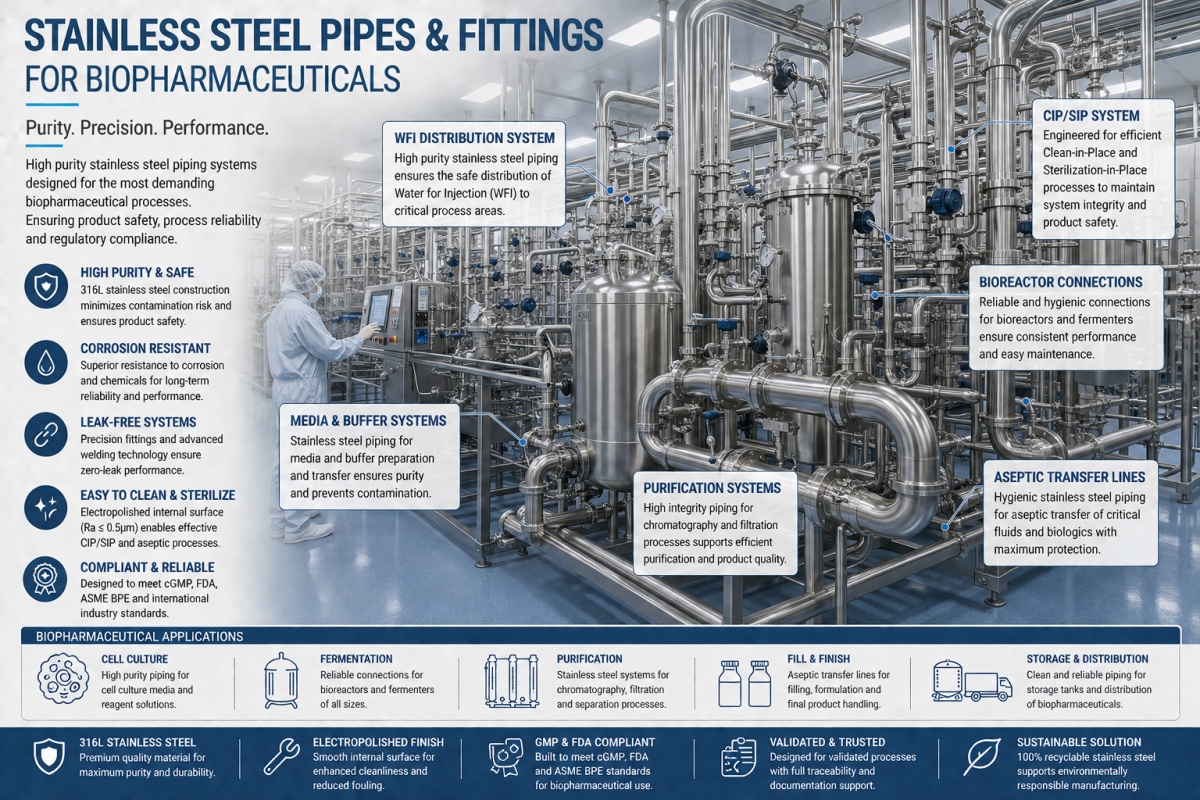
Stainless Steel Pipes & Fittings For Biopharmaceuticals
In high-purity water systems, Purified Water Systems and WFI piping demand extremely strict material standards. 316L stainless steel tubing is commonly pickled, passivated, and precision-polished to minimize particle release, improve cleanliness, and meet international GMP and FDA requirements.
Modern pharmaceutical piping solutions increasingly utilize orbital welding stainless steel tubing. Automated orbital welding ensures consistent weld quality, minimizes human error, and enhances the long-term reliability of clean piping systems.
In addition to corrosion resistance and hygiene, 304 and 316L stainless steel pipes offer excellent mechanical strength. They withstand high pressure and temperature fluctuations while maintaining long-term stability, making them suitable for continuous pharmaceutical production.
For global pharmaceutical manufacturers, selecting a qualified stainless steel piping supplier is equally important. Reliable manufacturers provide 304 and 316L stainless steel pipes and fittings that comply with ASTM, EN, and ISO standards, along with material certificates, dimensional inspections, pressure tests, and surface roughness reports to ensure complete quality traceability.
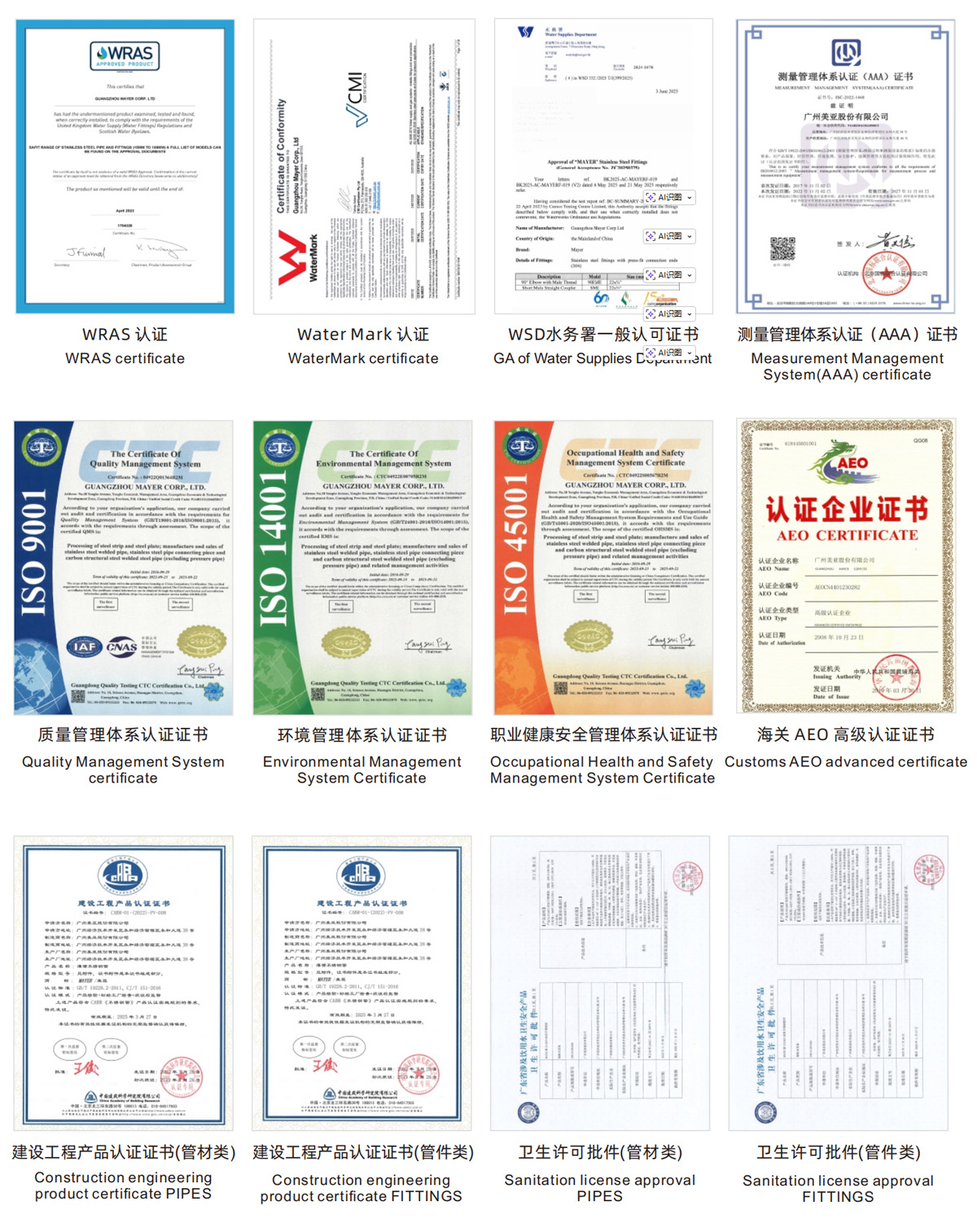 Our Certificate
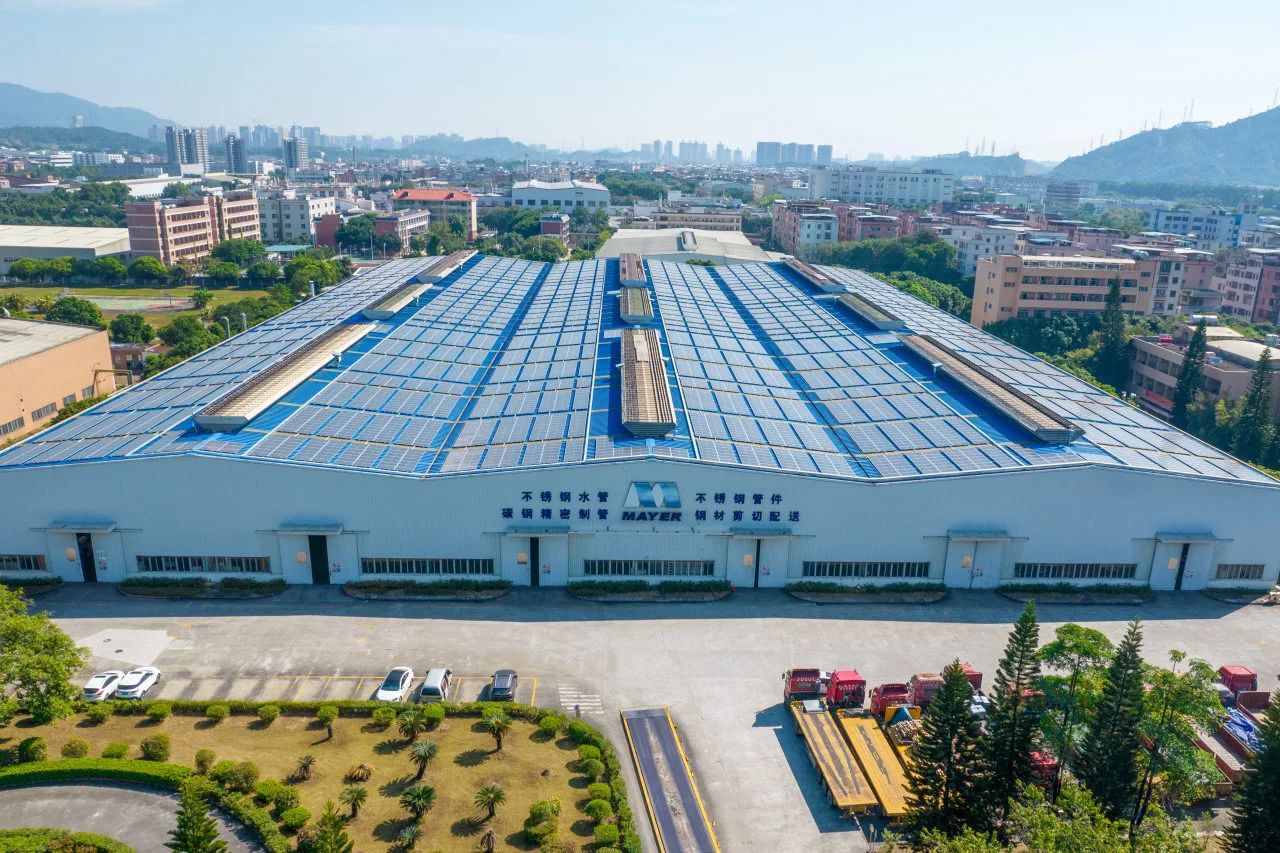
Our Factory
As a professional manufacturer of stainless steel pipes and fittings, we provide complete pharmaceutical stainless steel tubing solutions, including 304 and 316L stainless steel pipes, sanitary fittings, press fittings, welded fittings, and customized products. Our products are widely used in the pharmaceutical industry, biopharmaceutical facilities, clean utilities, purified water systems, WFI systems, and other high-purity fluid transfer applications.
With strict quality control and internationally recognized certifications, our 304 and 316L stainless steel pipes and fittings deliver outstanding corrosion resistance, hygienic performance, and long-term reliability. We help customers worldwide build safe, efficient, GMP-compliant pharmaceutical piping systems and provide dependable stainless steel fluid transfer solutions for modern pharmaceutical manufacturing.