When it comes to stainless steel pipe fittings, two grades dominate the global market: 304 and 316L. While they may look similar, these two materials have distinct chemical compositions that make them suitable for different environments and applications. Understanding the difference is crucial for engineers, procurement specialists, and contractors who need to specify the right material for the job.
304 Stainless Steel Fittings: The Workhorse Grade
What is 304 Stainless Steel?
304 stainless steel (also known as 1.4301 or 18/8 stainless because it contains approximately 18% chromium and 8% nickel) is the most widely used austenitic stainless steel grade. It offers excellent corrosion resistance, good formability, and outstanding value for general applications .
Types of 304 Stainless Steel Fittings
304 stainless steel fittings are available in a comprehensive range of configurations to meet various piping system requirements :
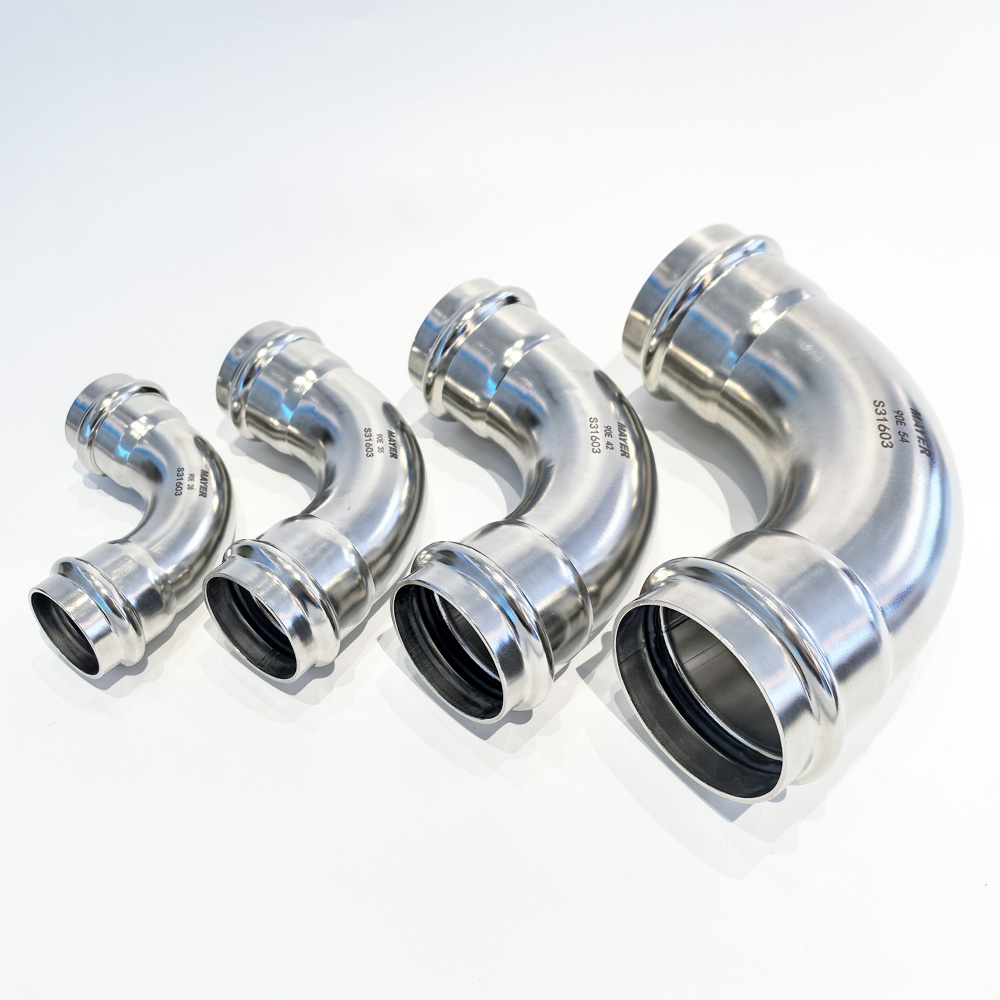
| Elbows (45°, 90°, 180°) |
Threaded, Socket Weld, Buttweld, Press Fit |
 |
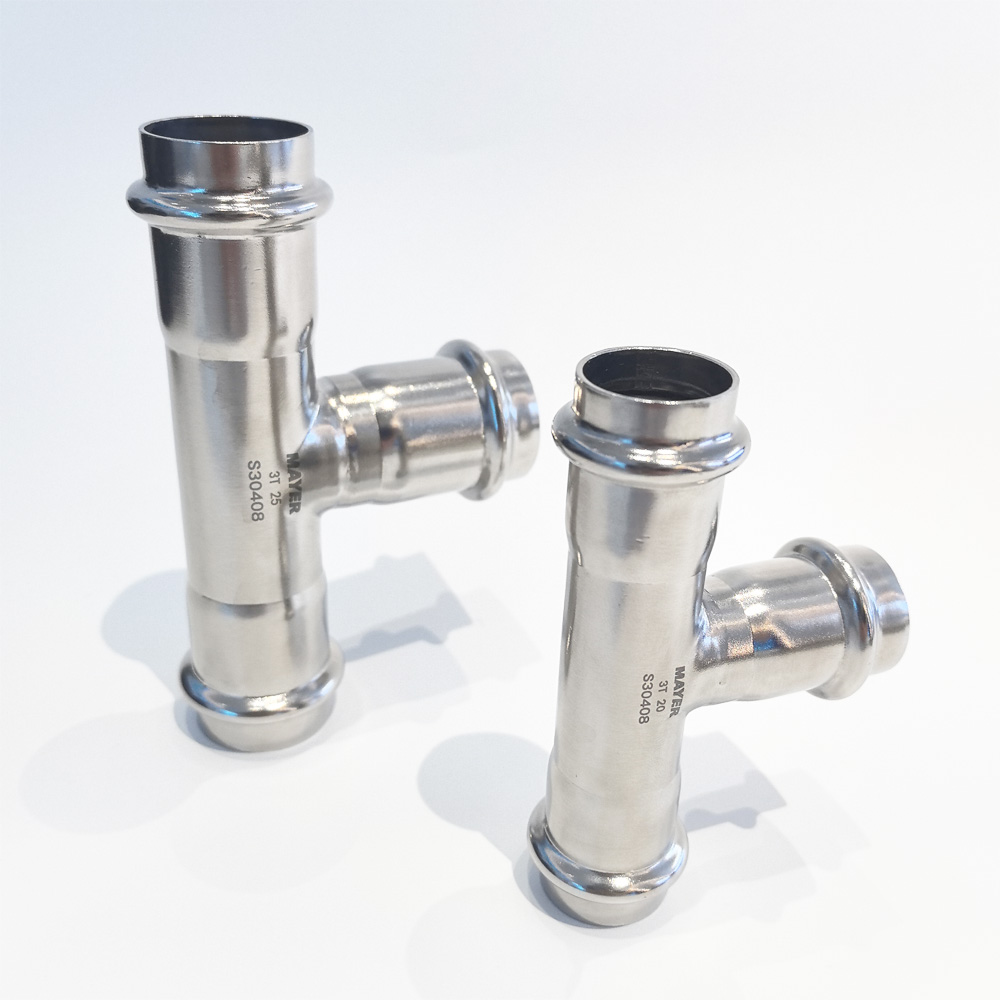
| Tees (Equal and Reducing) |
Threaded, Socket Weld, Buttweld, Press Fit |
 |
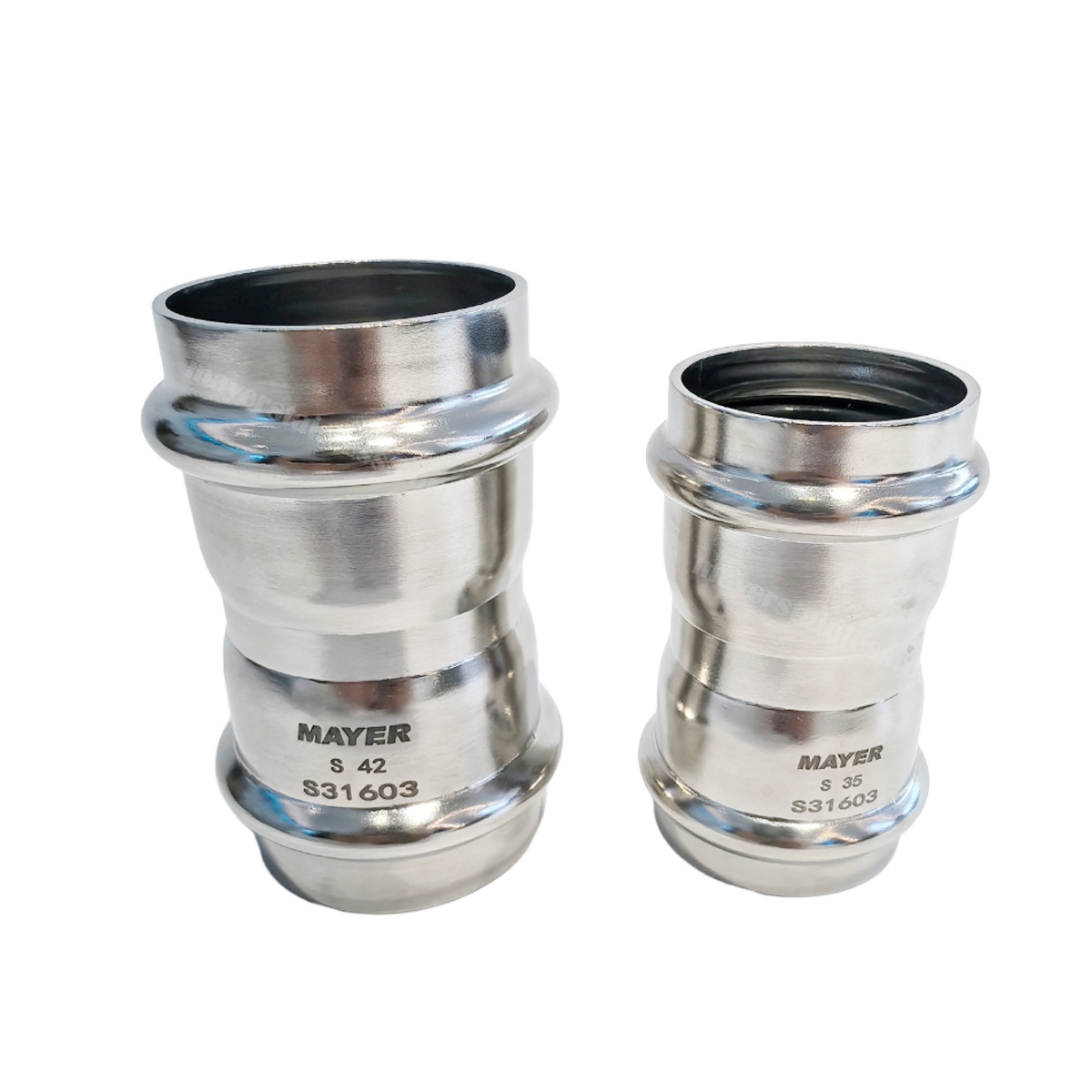
| Couplings (Full and Half) |
Threaded, Socket Weld, Press Fit |
 |
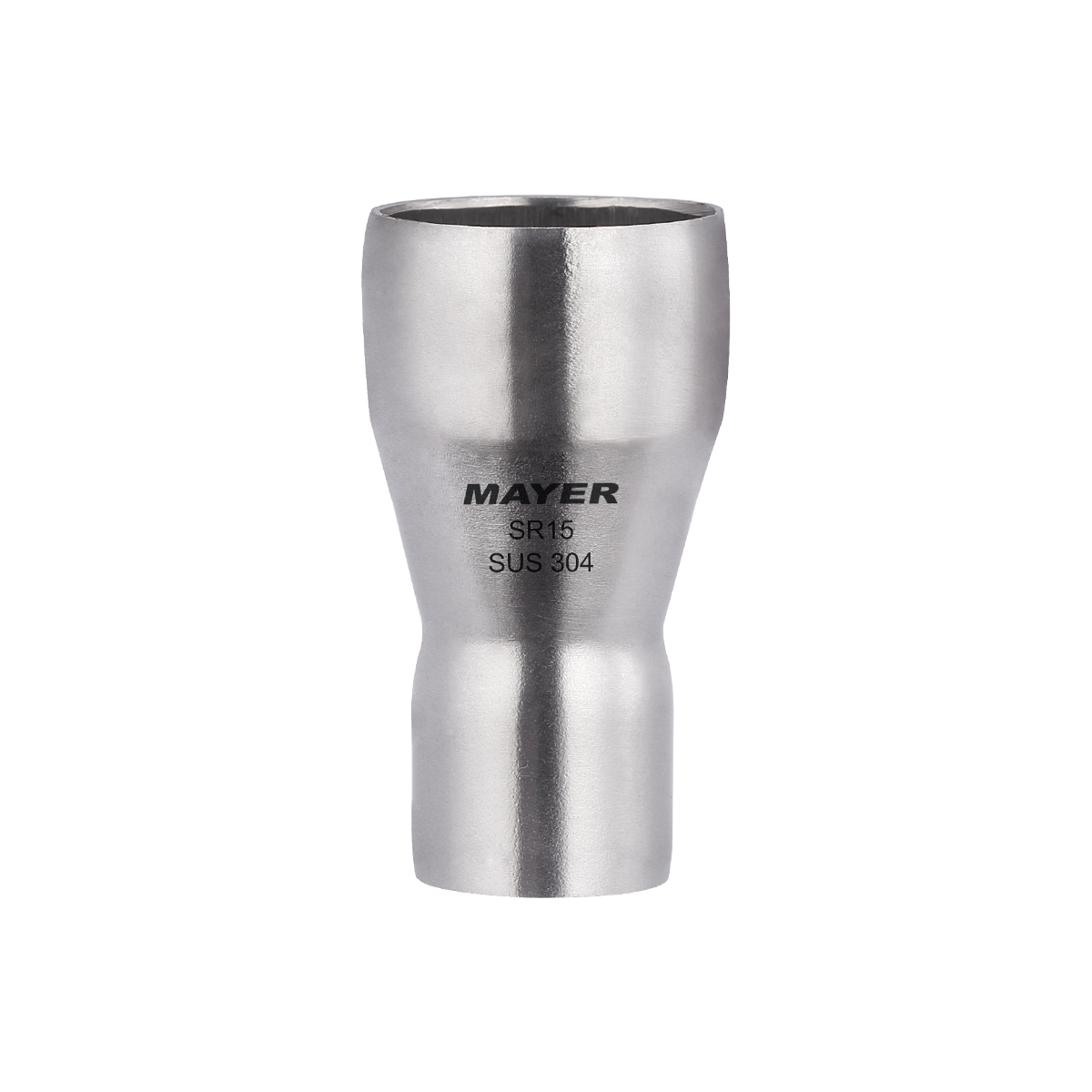
| Reducers (Concentric and Eccentric) |
Buttweld, Threaded, Weld |
 |
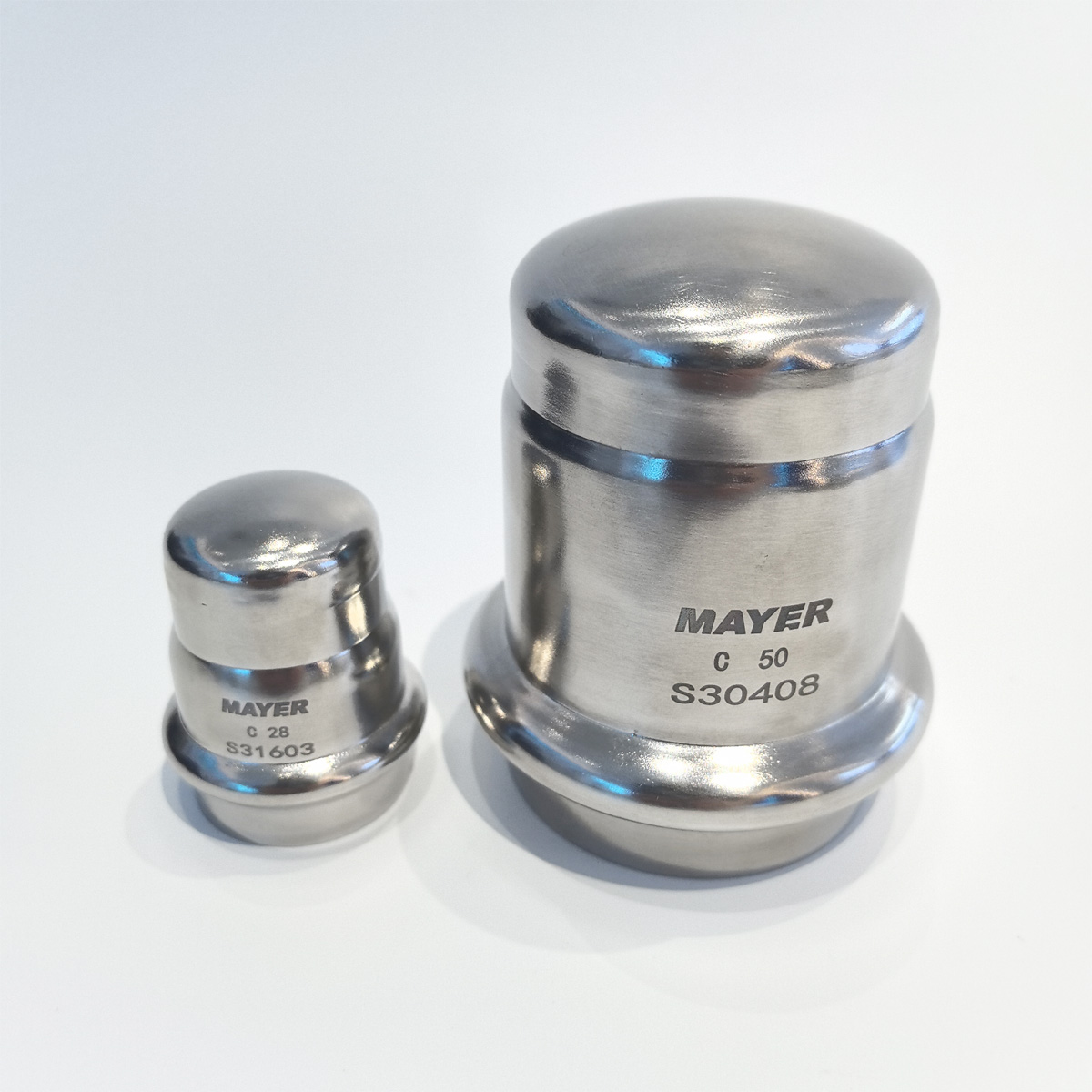
| Caps |
Threaded, Socket Weld, Buttweld,Press Fit |
 |
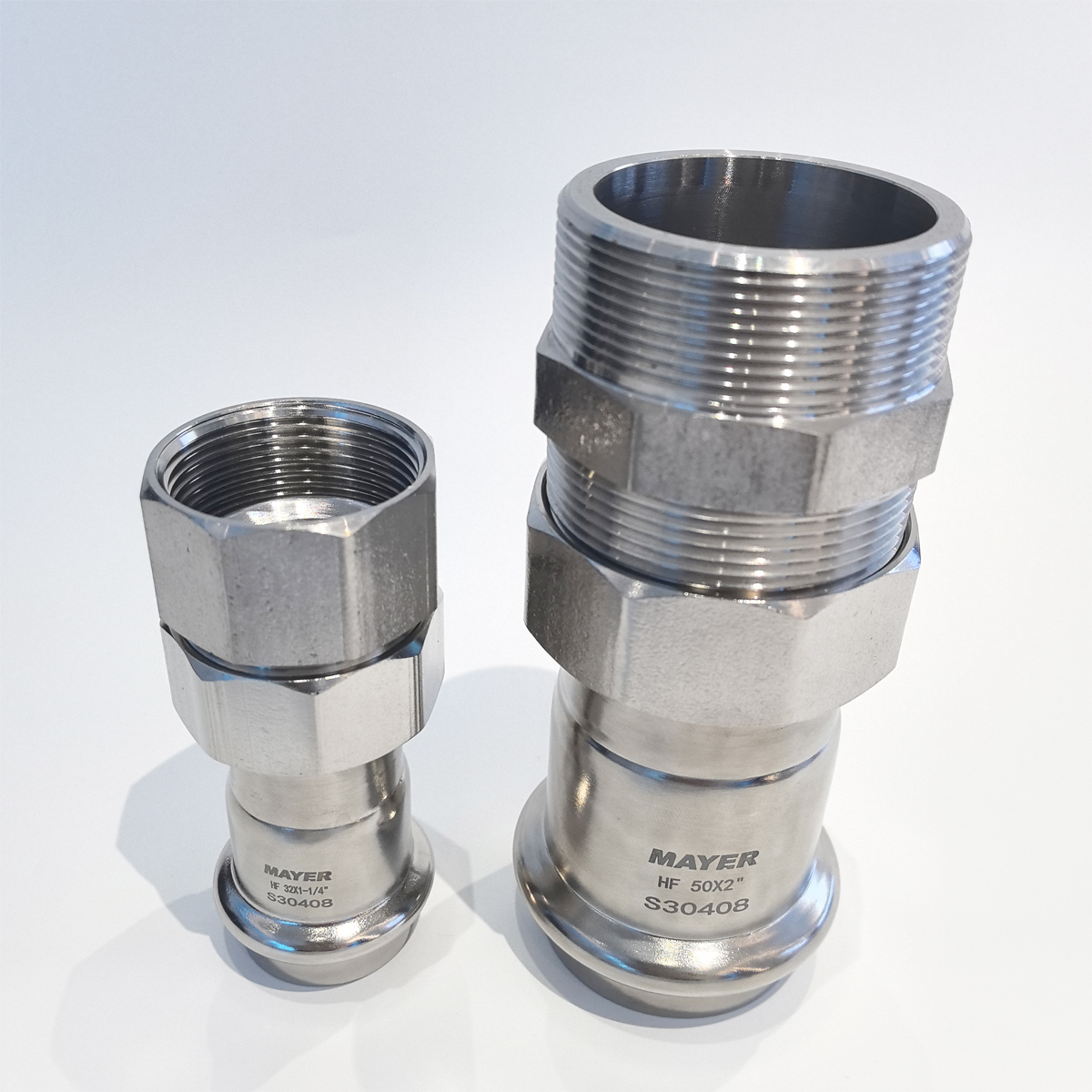
| Unions |
Threaded, Press Fit |
 |
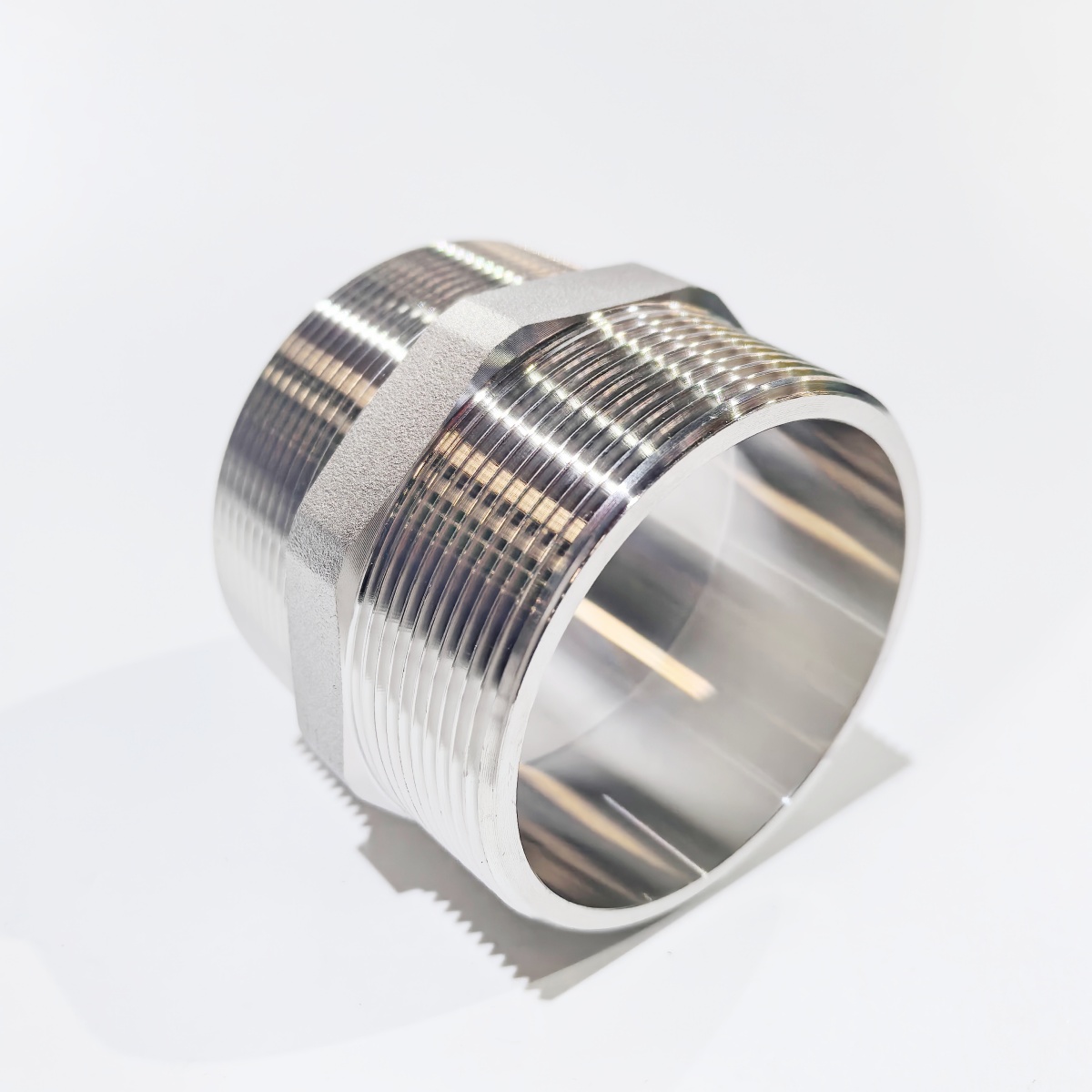
| Nipples (Hex, Close, Seamless) |
Threaded Both Ends |
 |
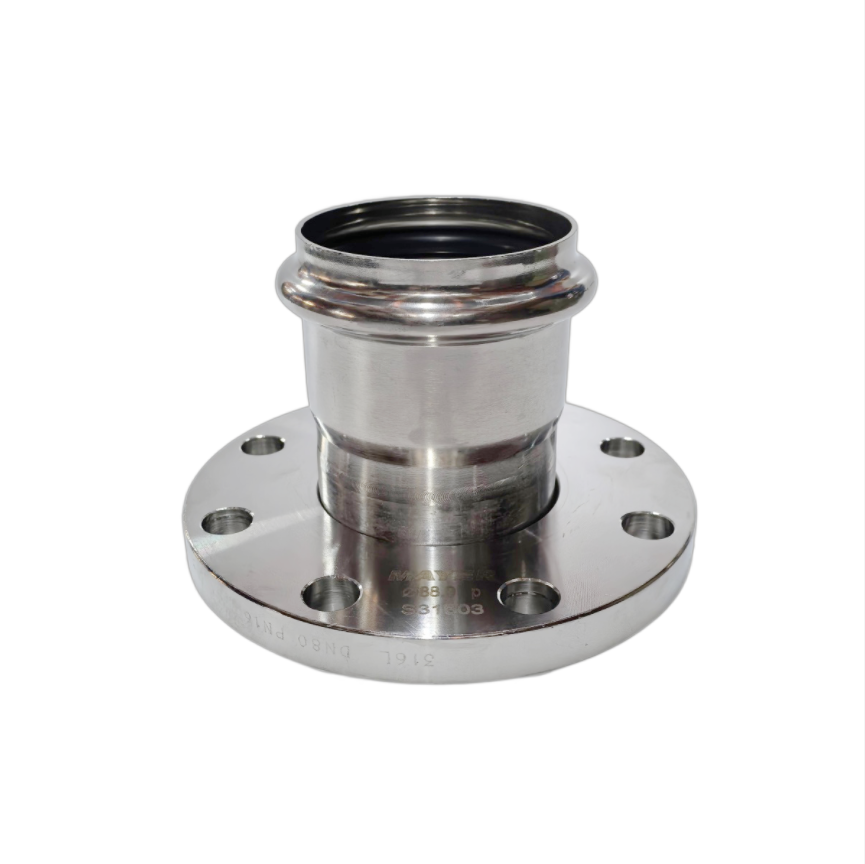
| Flanges (Slip-On, Weld Neck, Blind) |
Weld, Threaded, Press Fit |
 |
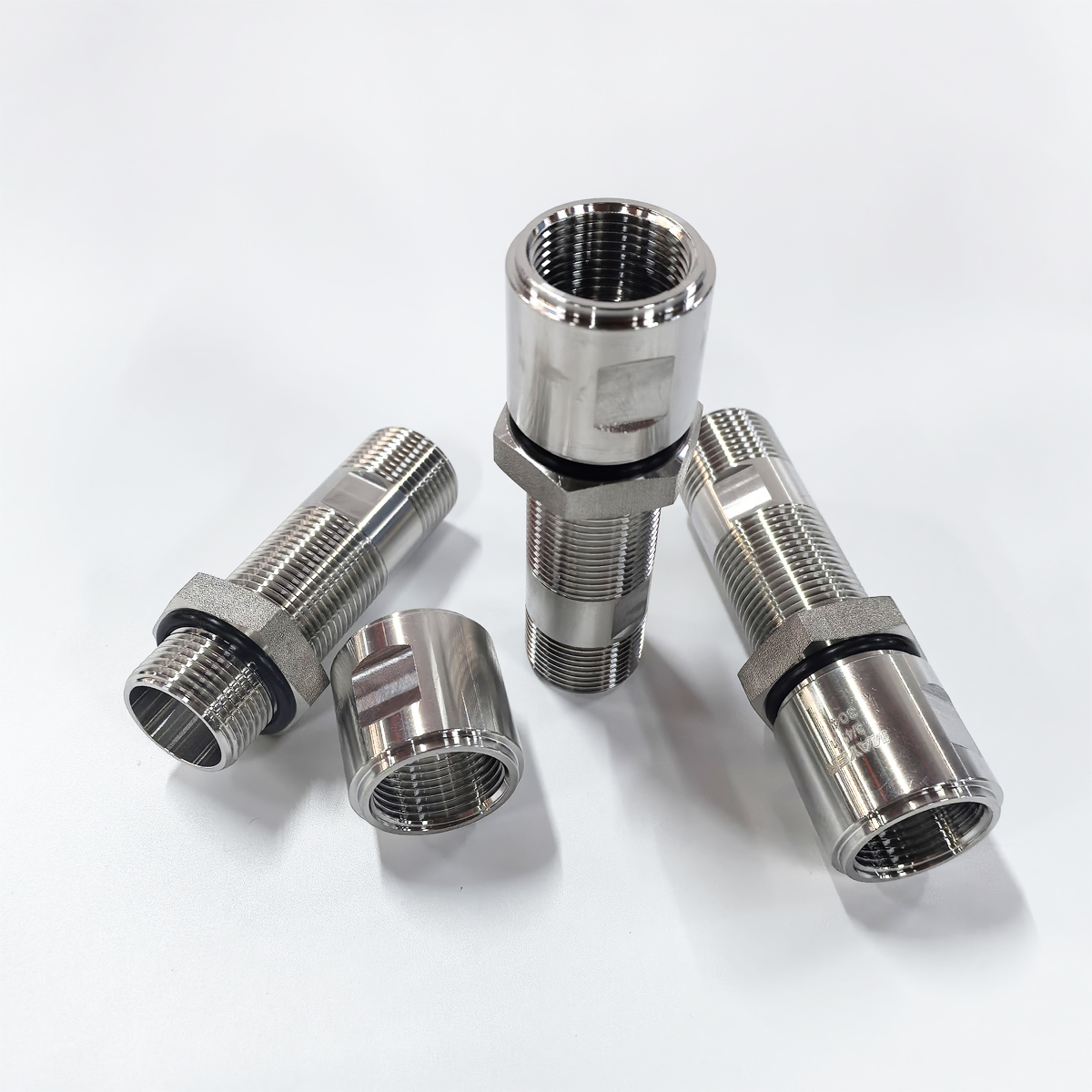
| Bend 90° with plain end |
Weld, Press Fit |
 |
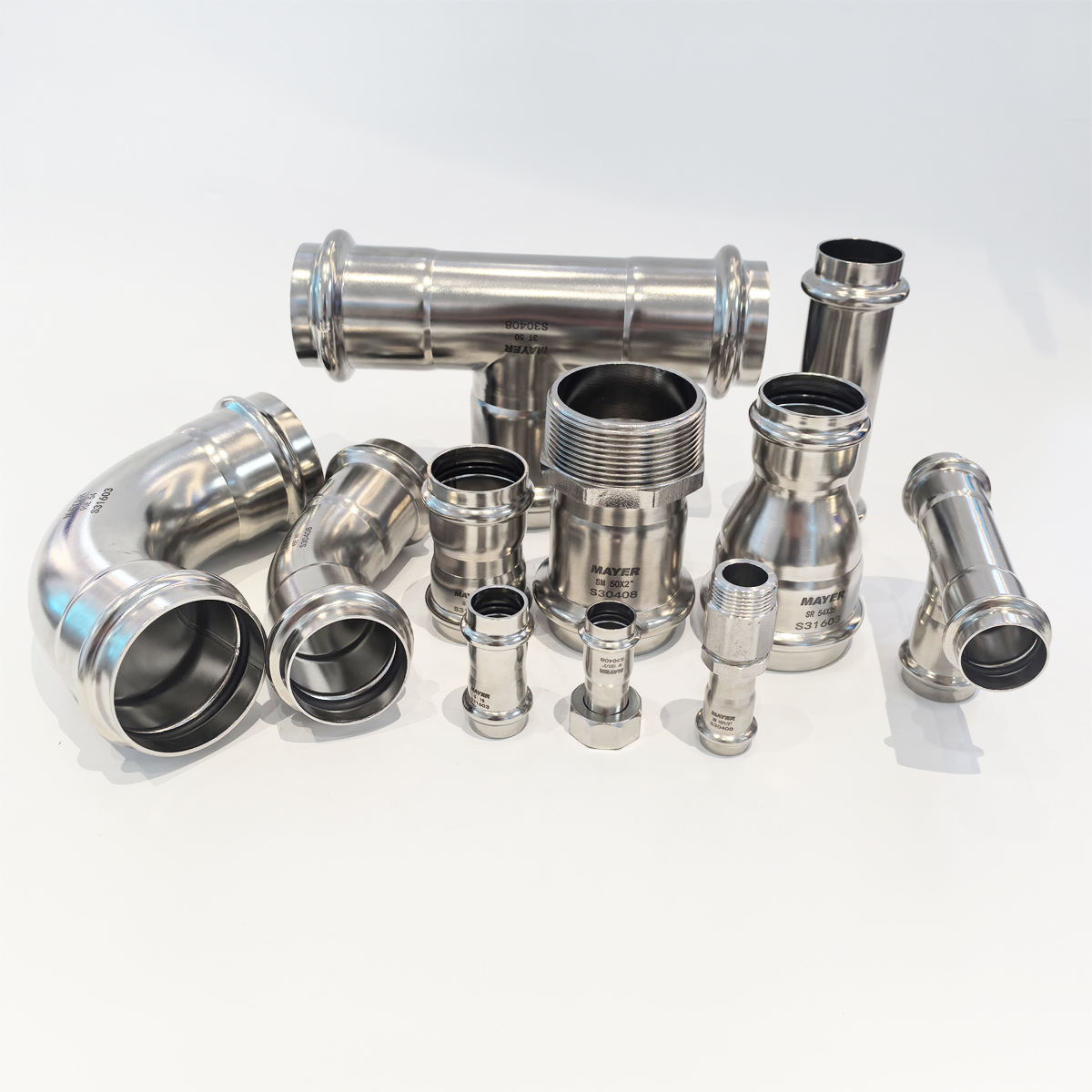
| Stainless Steel Fittings |
Press Fit, Weld, Threaded, Socket Weld |
 |
Primary Applications of 304 Fittings
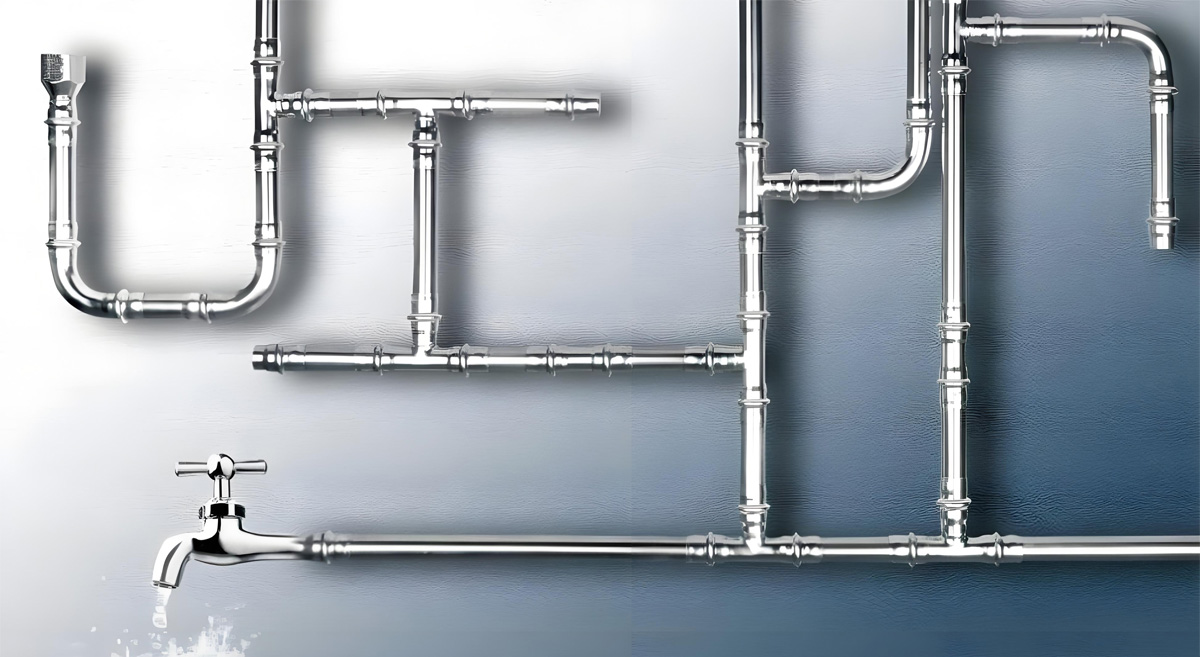
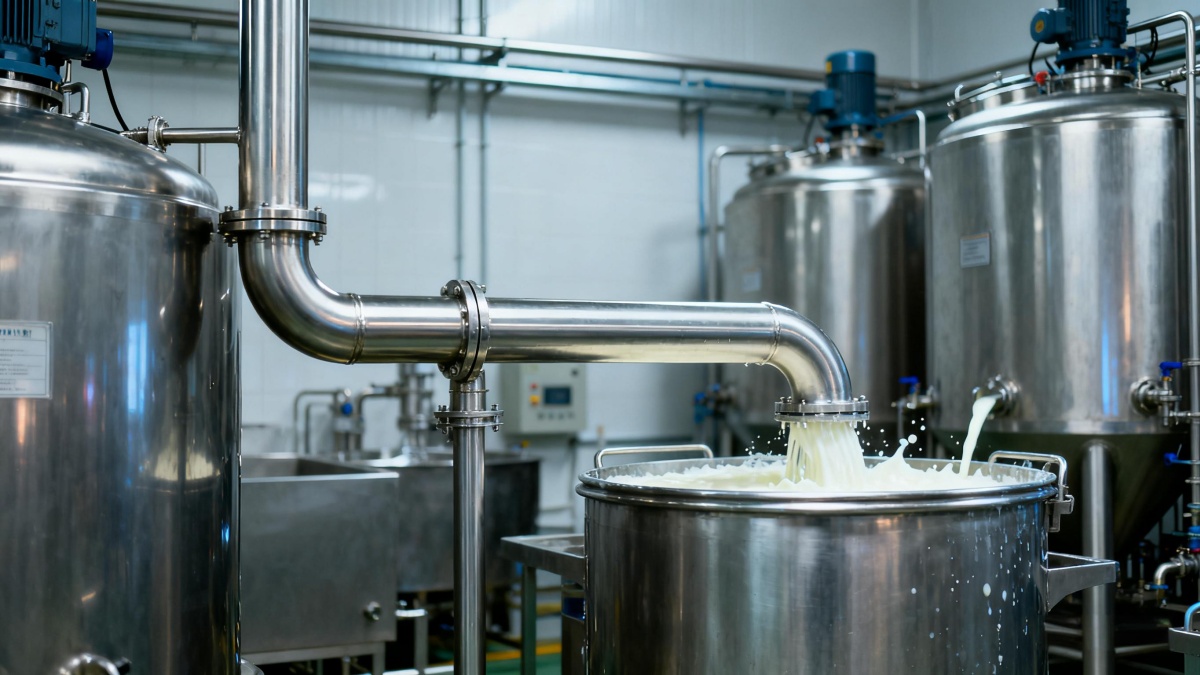
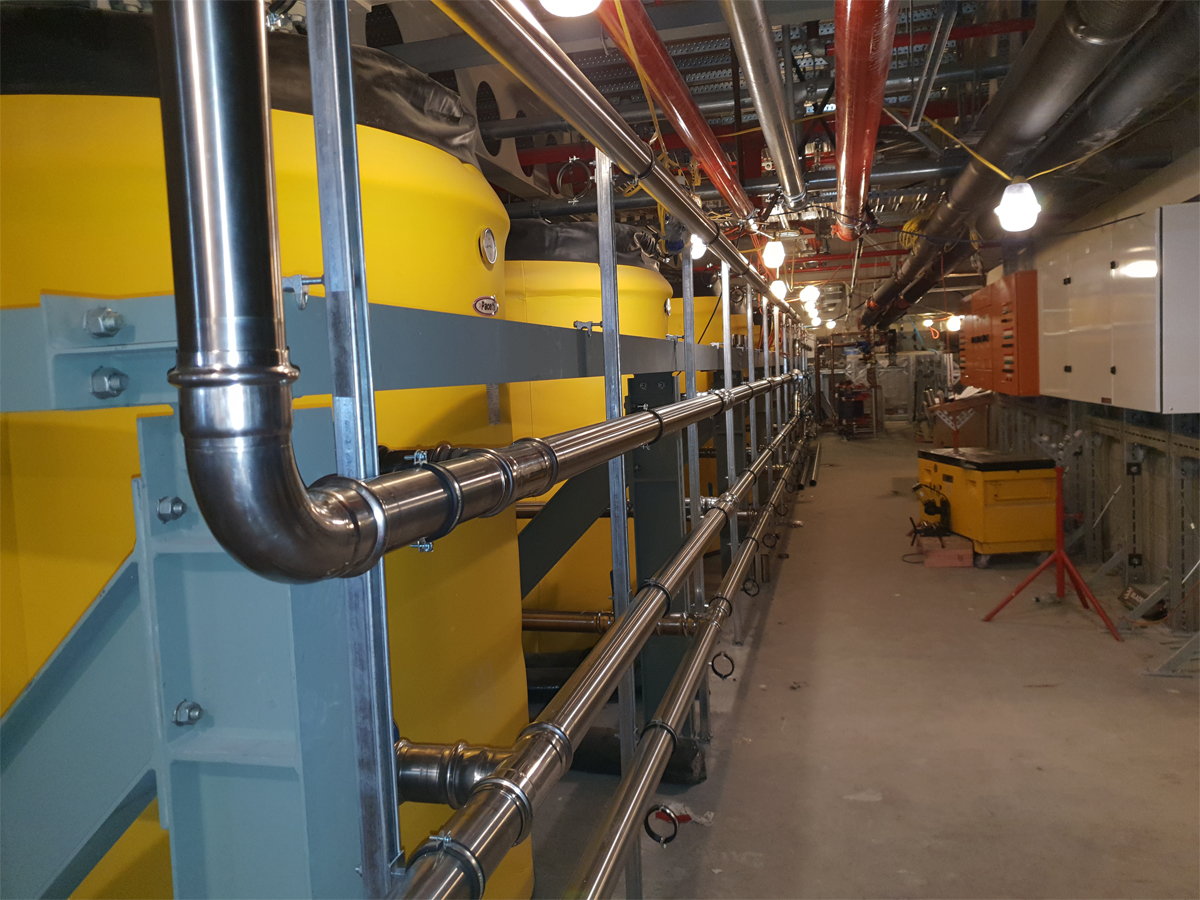
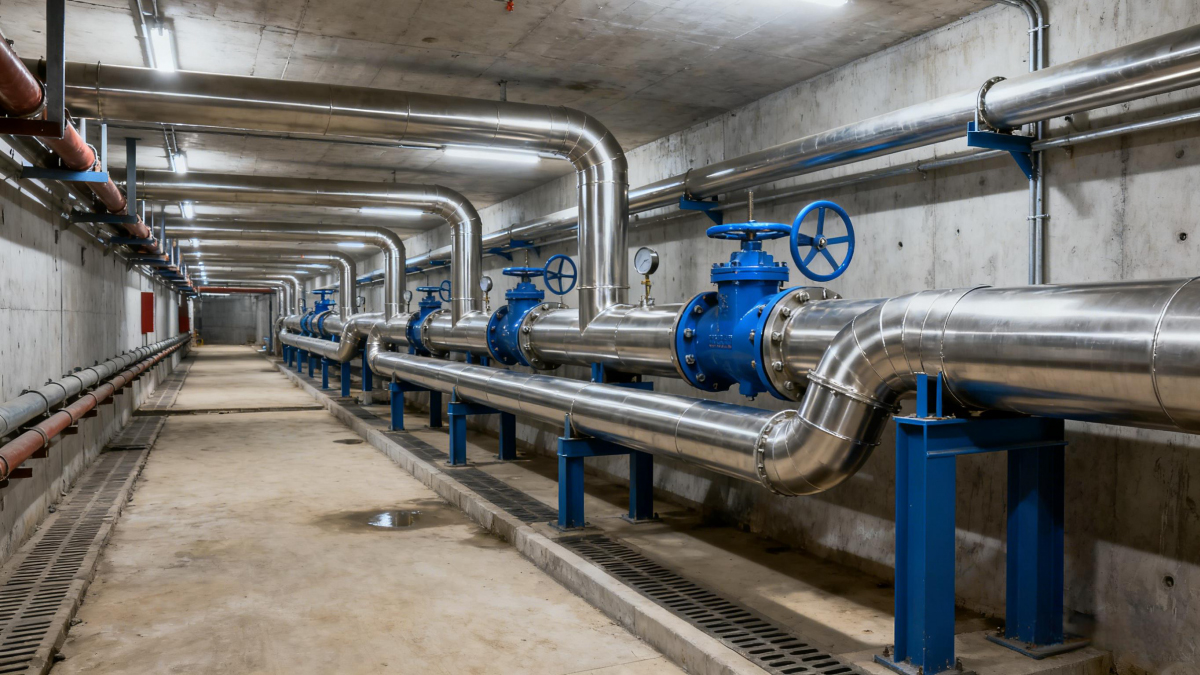
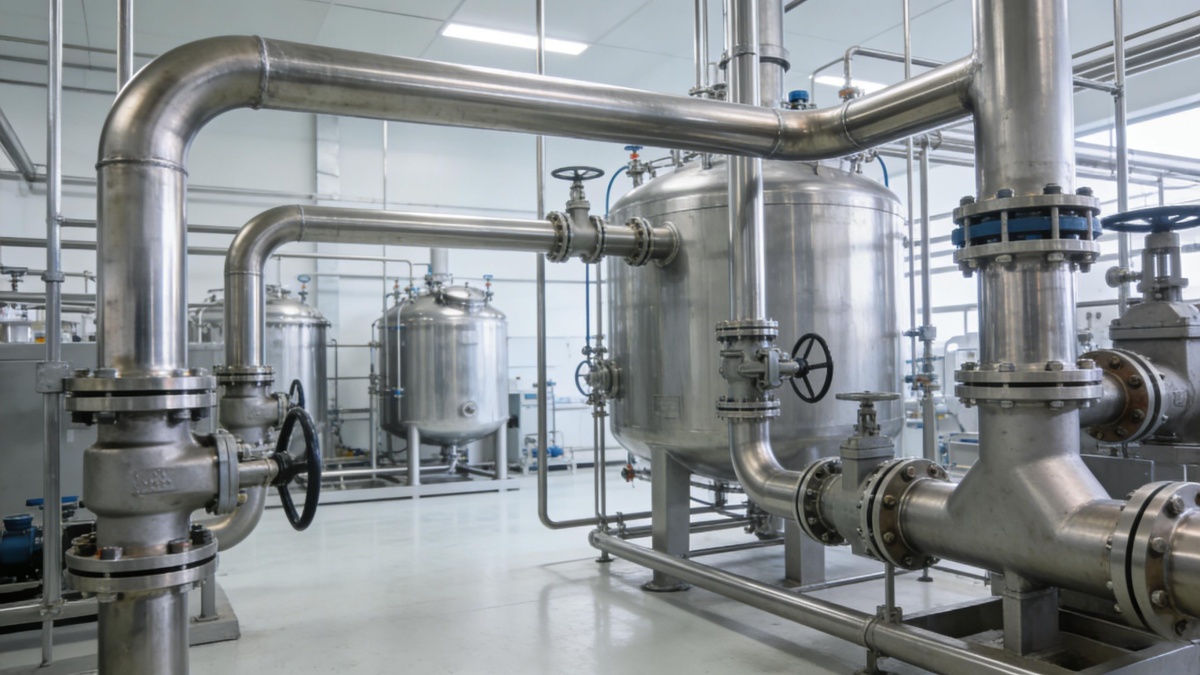
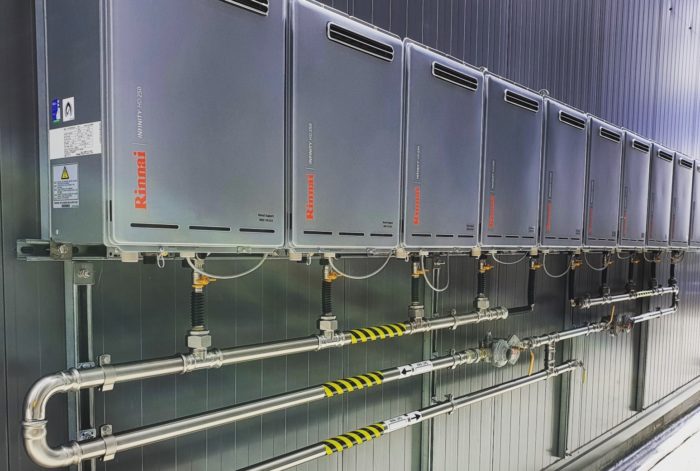
304 stainless steel fittings are suitable for a wide range of general-purpose applications where exceptional corrosion resistance is not the primary concern :
- Food and beverage processing
- Indoor architectural applications
- Mild chemical environments
Key Industries Using 304 Fittings
- Construction and Building Services: For water supply lines, handrails, and structural supports.
- Food & Beverage Industry: For processing lines handling milk, beer, and non-corrosive liquids.
- Automotive Industry: For exhaust systems and fluid transfer lines
- General Manufacturing: For plant utilities and compressed air systems
316L Stainless Steel Fittings: The Premium Grade for Harsh Environments
What is 316L Stainless Steel?
316L stainless steel (also known as 1.4404 or AISI 316L) contains molybdenum (2-3%), which significantly enhances its corrosion resistance, particularly against chlorides and industrial solvents. The "L" stands for low carbon (maximum 0.03%), which prevents carbide precipitation during welding and improves corrosion resistance in welded conditions .
Primary Applications of 316L Fittings
316L stainless steel fittings excel in environments where 304 would be susceptible to corrosion :
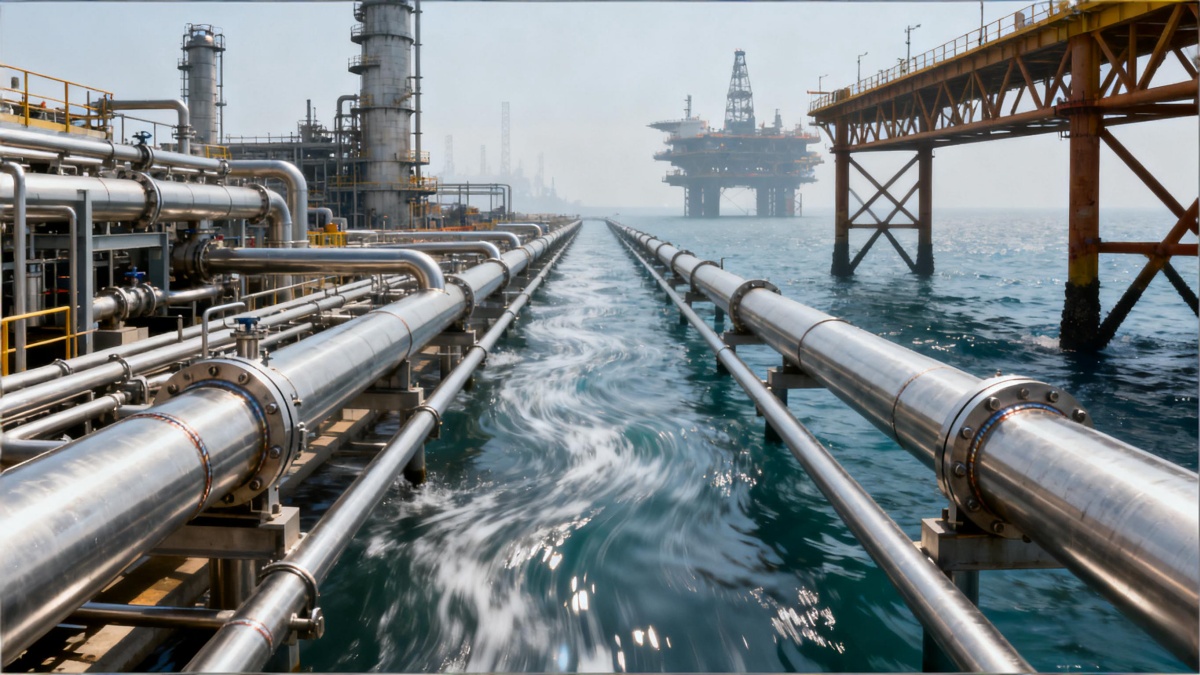
- Coastal and marine environments
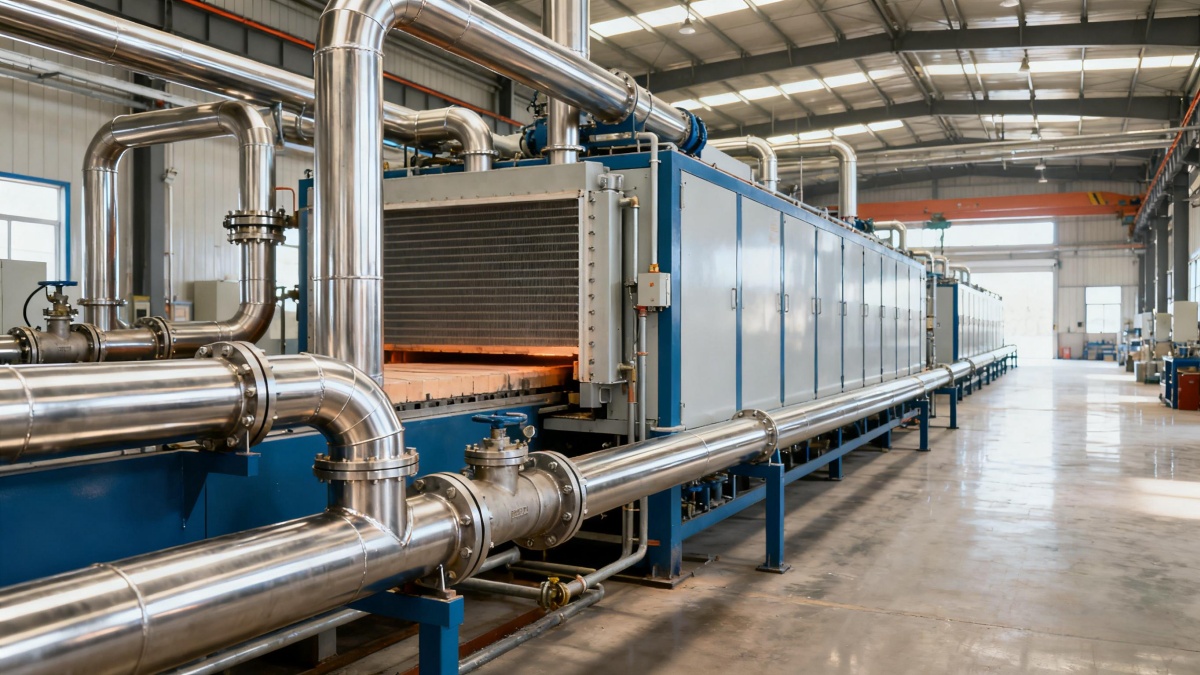
- Chemical processing plants
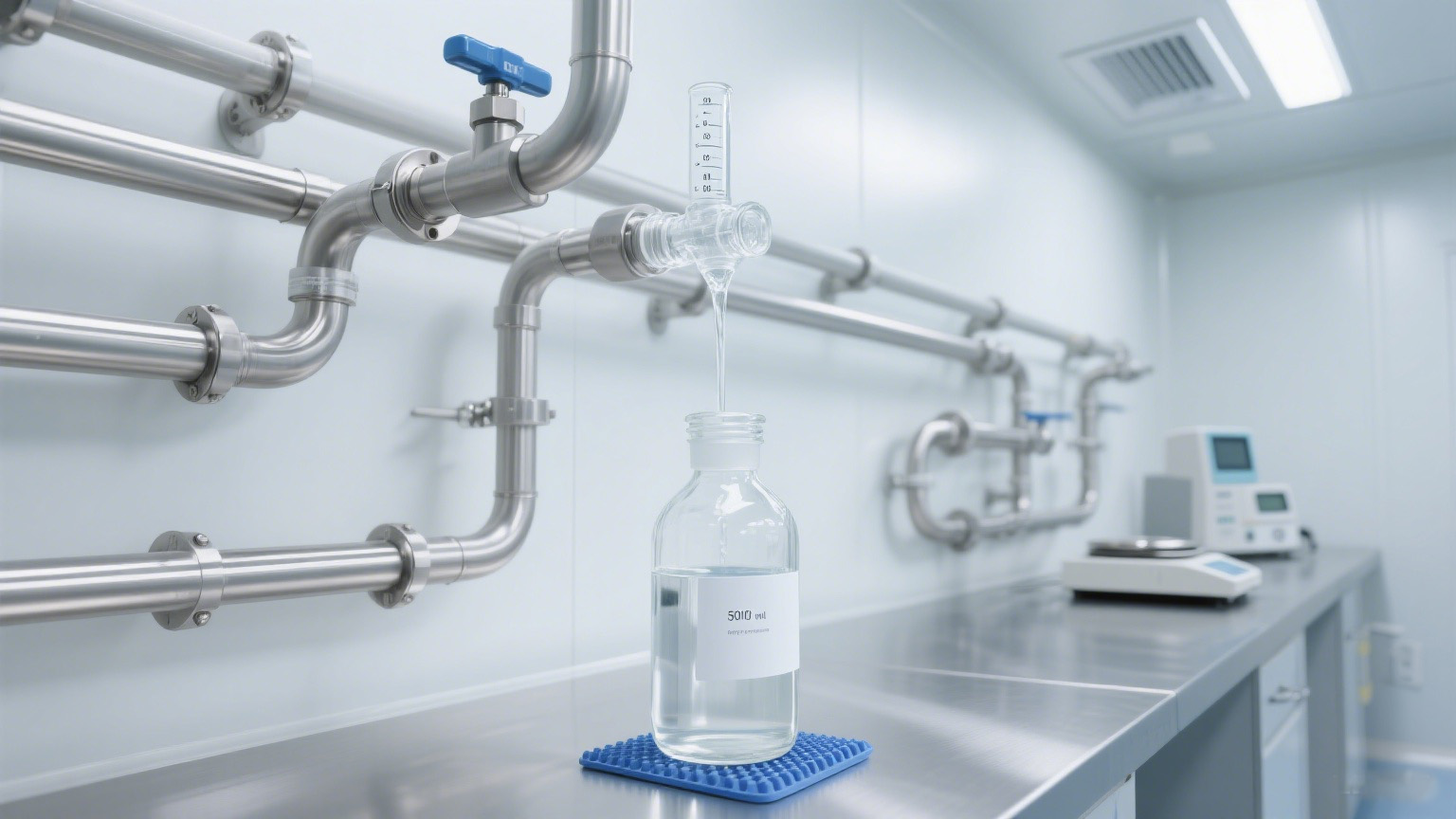
- Pharmaceutical manufacturing
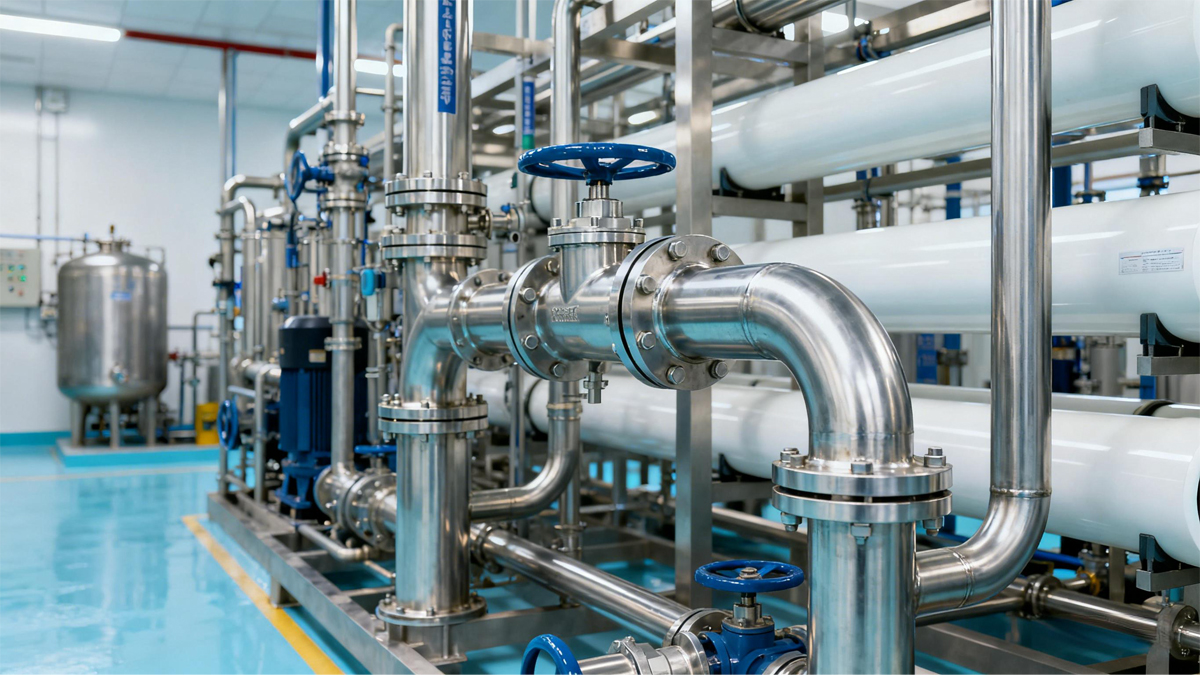
- Seawater desalination facilities
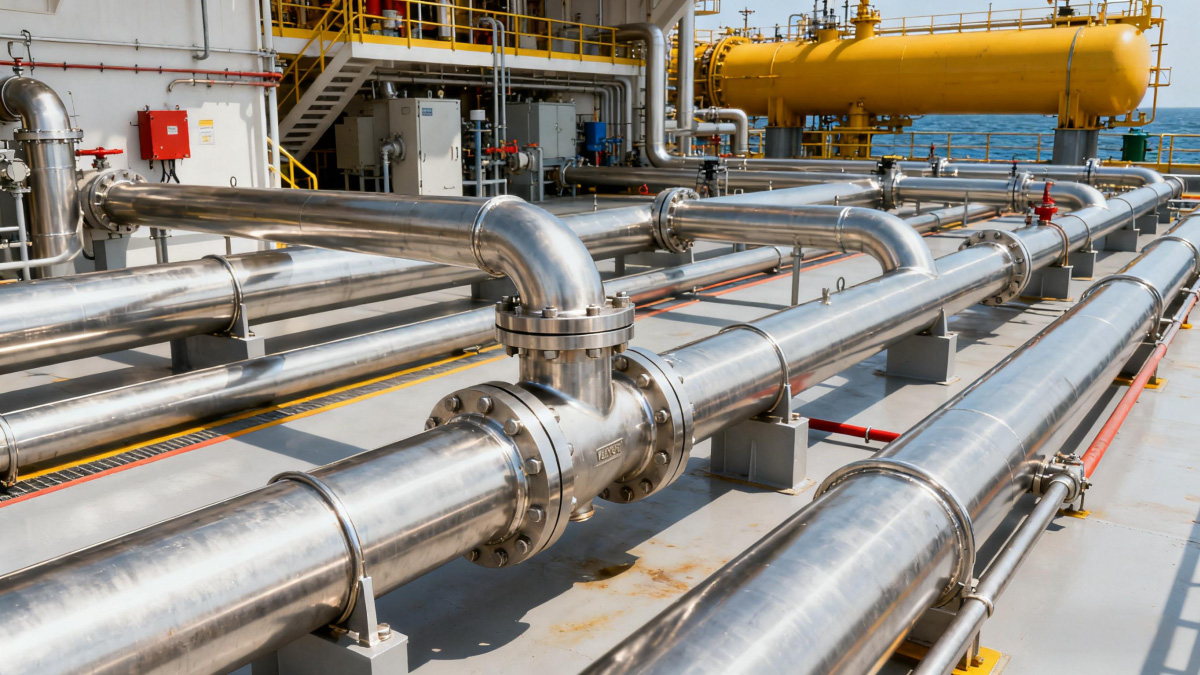
- Offshore oil and gas platforms
Key Industries Using 316L Fittings
1. Marine and Offshore Engineering: For shipbuilding, offshore platforms, and marine plumbing systems where saltwater corrosion is a constant threat.
2. Pharmaceutical Industry: For sterile piping systems requiring cGMP compliance, smooth surfaces that prevent bacterial growth, and compatibility with cleaning agents
3. Chemical and Petrochemical Industry: For handling aggressive chemicals, acids, and solvents in processing lines.
4. Food and Beverage Industry (High-End): For processing lines handling acidic foods, dairy with salt, and breweries.
5. Semiconductor Manufacturing: For ultra-pure water systems and chemical delivery lines
Comparison between 304 and 316L
|
| Property |
304 Stainless Steel |
316L Stainless Steel |
| Corrosion Resistance |
Good in natural environments |
Excellent, especially against chlorides |
| Cost |
Lower (economical) |
Higher (premium) |
| Weldability |
Good |
Excellent (low-carbon prevents sensitization) |
| Typical Applications |
Indoor, general purpose |
Marine, chemical, pharmaceutical |
| Magnetic Response |
Usually non-magnetic |
Usually non-magnetic |
Connection Methods for Stainless Steel Fittings
Understanding connection methods is crucial when specifying fittings. Here are the most common types used globally :
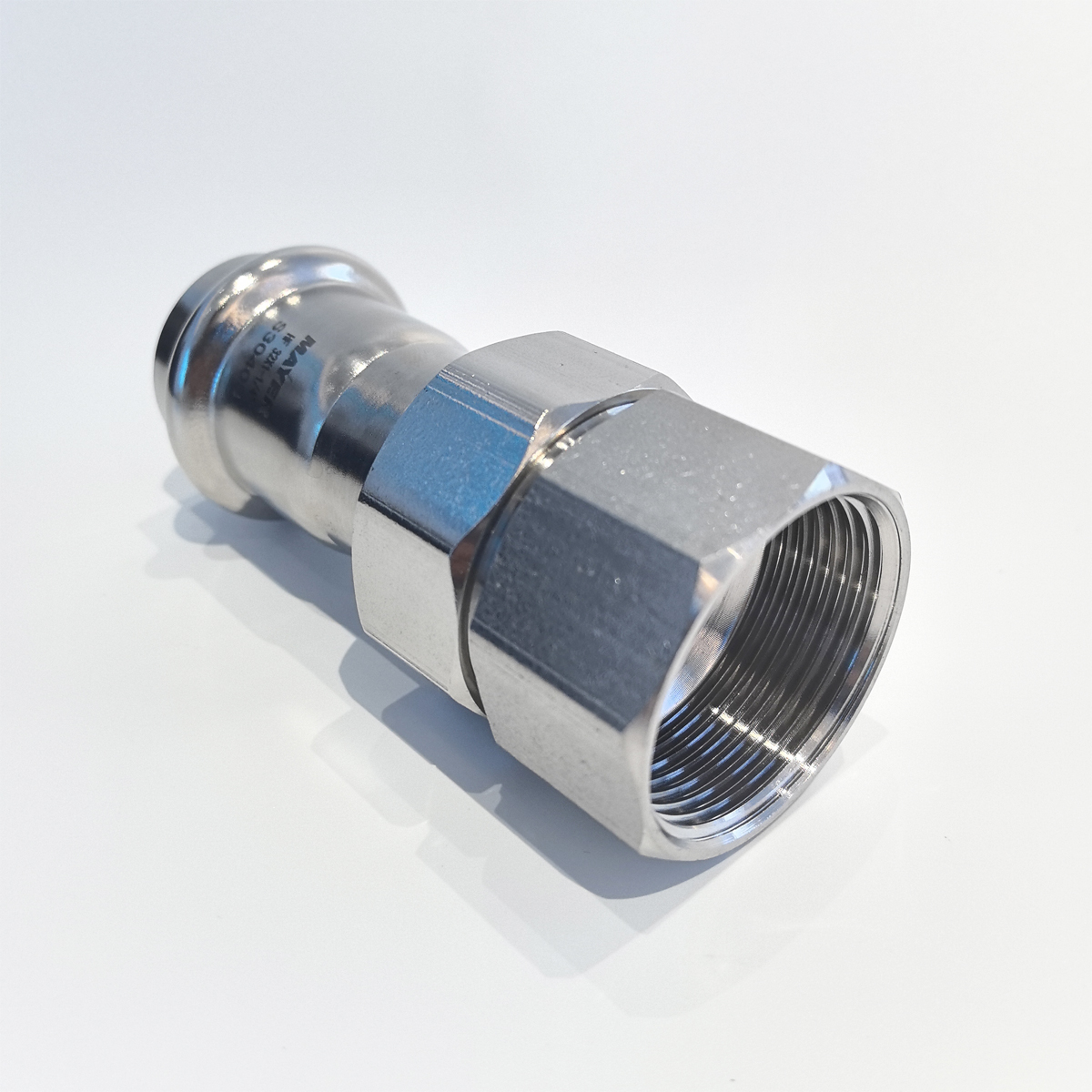
Threaded Fittings
|
|
-
Used for small diameters (typically up to 4")
-
Easy installation and removal
-
Common standards: NPT (American), BSP (British/European), PT (Japanese)
|
 |
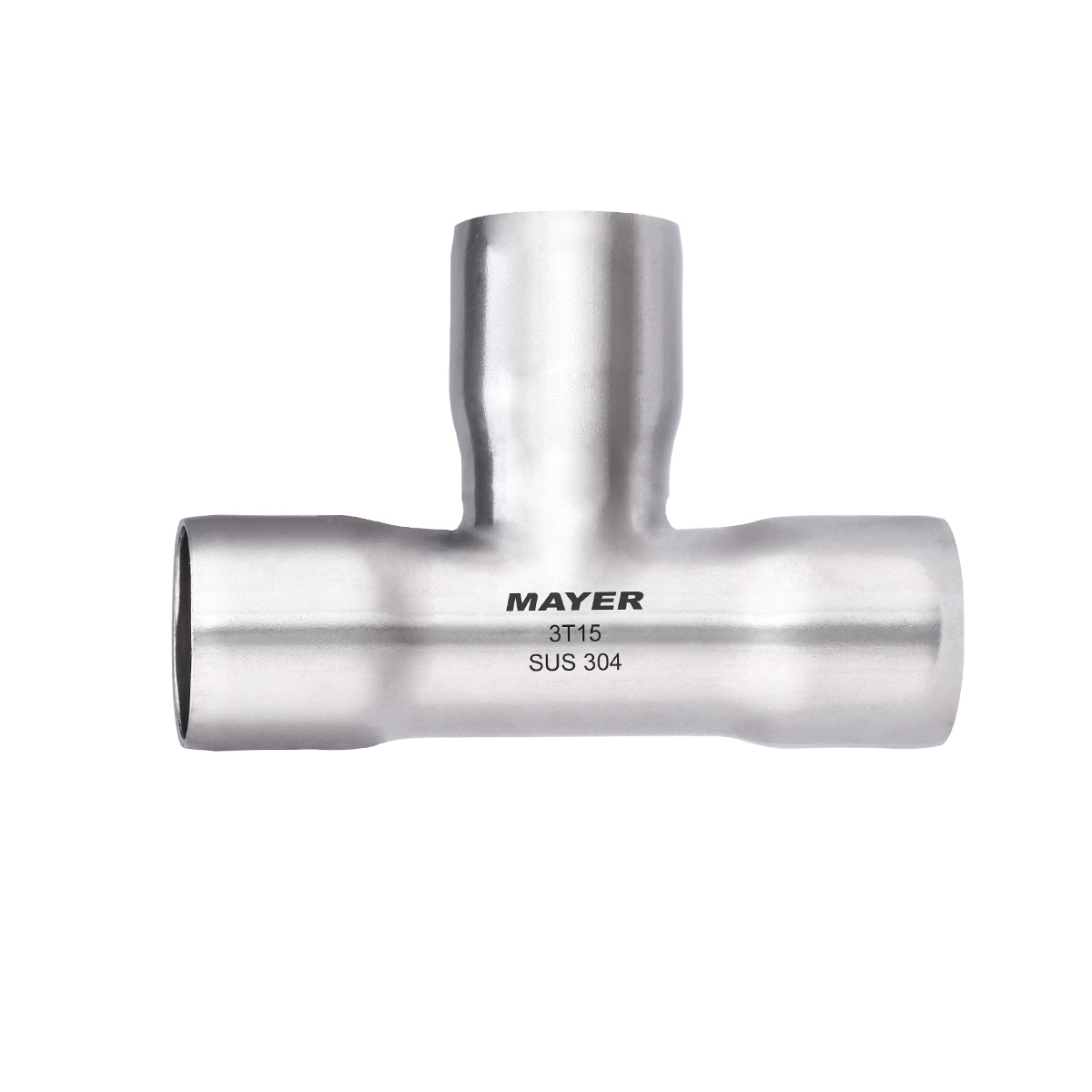
Buttweld Fittings
|
|
-
Permanent, high-strength connections
-
Used for high-pressure and high-temperature applications
-
Smooth interior for better flow
|
 |
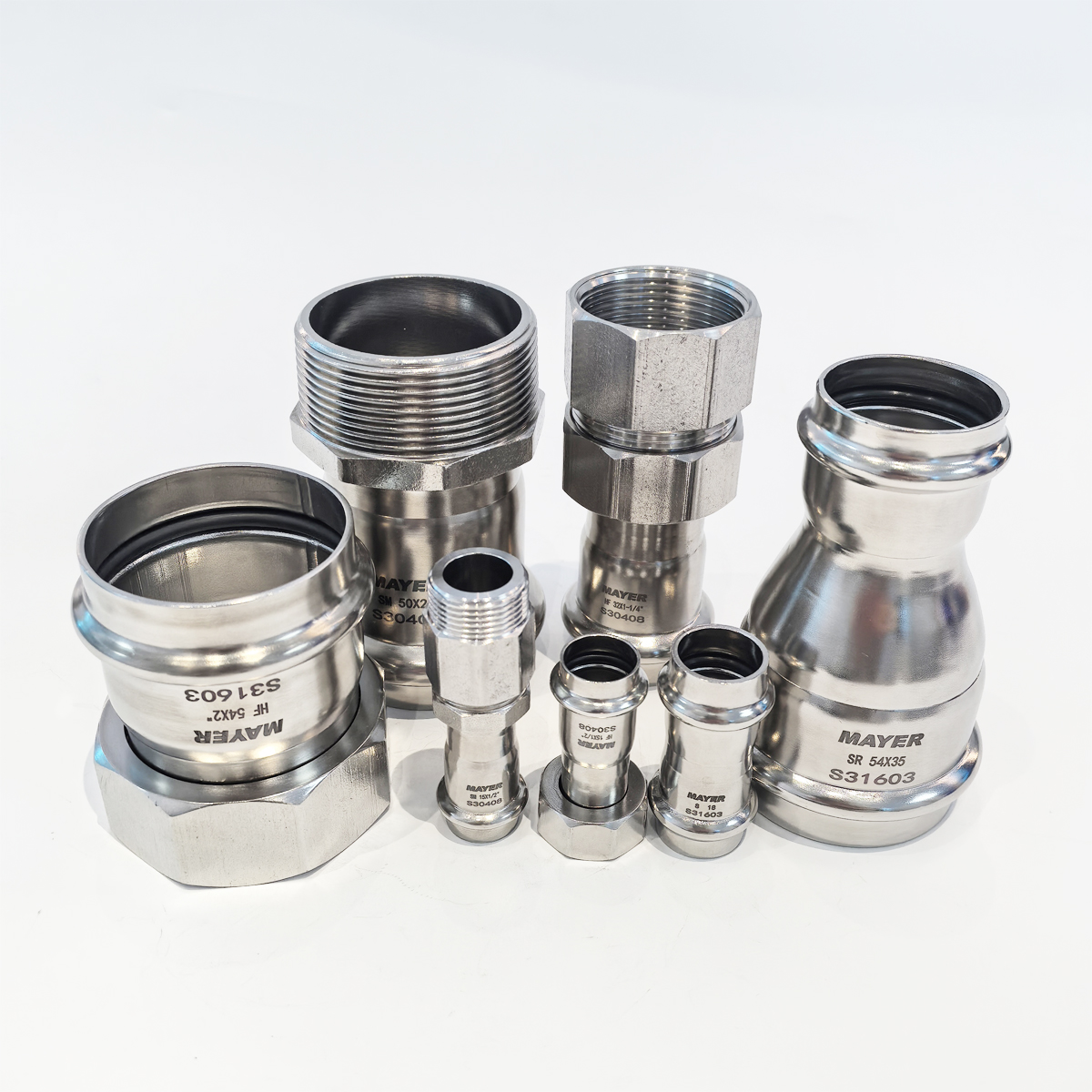
Press-Fit
|
|
-
Growing in popularity for plumbing applications
-
Fast installation, no welding or threading required
-
Ideal for occupied buildings
|
 |
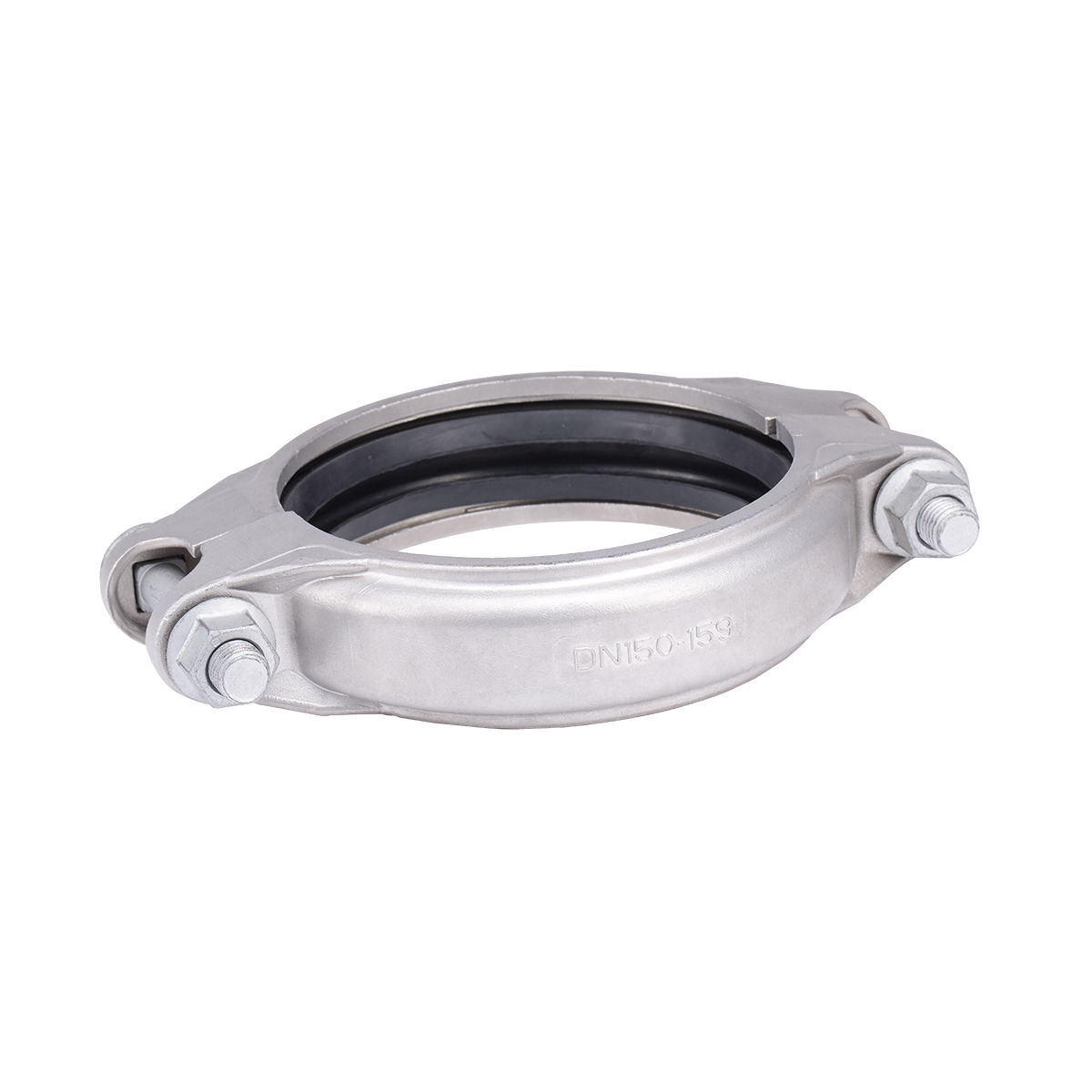
Sanitary Clamp
|
|
-
Common in food, dairy, and pharmaceutical industries
-
Easy disassembly for cleaning
|
 |
How to Choose: 304 or 316L?
Choose 304 stainless steel fittings when:
-
The environment is not highly corrosive (indoor, freshwater, general atmosphere)
-
Budget is a primary concern
-
The application involves food products that are not highly acidic or salty
-
You need a proven, versatile material for general industrial use
Choose 316L stainless steel fittings when:
-
The installation is near coastlines or in marine environments
-
The fluid contains chlorides (salt water, bleach, many industrial chemicals)
-
You're working in pharmaceutical or biotechnology manufacturing
-
The system requires frequent cleaning with aggressive agents (CIP/SIP)
-
Long-term reliability in harsh conditions outweighs initial cost
Conclusion
Both 304 and 316L stainless steel fittings offer excellent performance and longevity compared to other materials. The choice between them ultimately comes down to your specific application requirements, environmental conditions, and budget constraints.
304 stainless steel fittings provide an outstanding balance of corrosion resistance and value, making them the go-to choice for general industrial, architectural, and food processing applications. They are readily available in all standard types including elbows, tees, reducers, couplings, flanges, and nipples .
316L stainless steel fittings represent the premium choice for demanding environments where corrosion resistance is critical. With their molybdenum content and low-carbon formulation, they excel in marine, chemical, and pharmaceutical applications. Specialized types like sanitary clamp fittings and instrumentation fittings are available for specific industries .
By understanding the strengths of each grade and the specific types of fittings available, you can make informed decisions that ensure the safety, reliability, and cost-effectiveness of your piping systems for years to come.